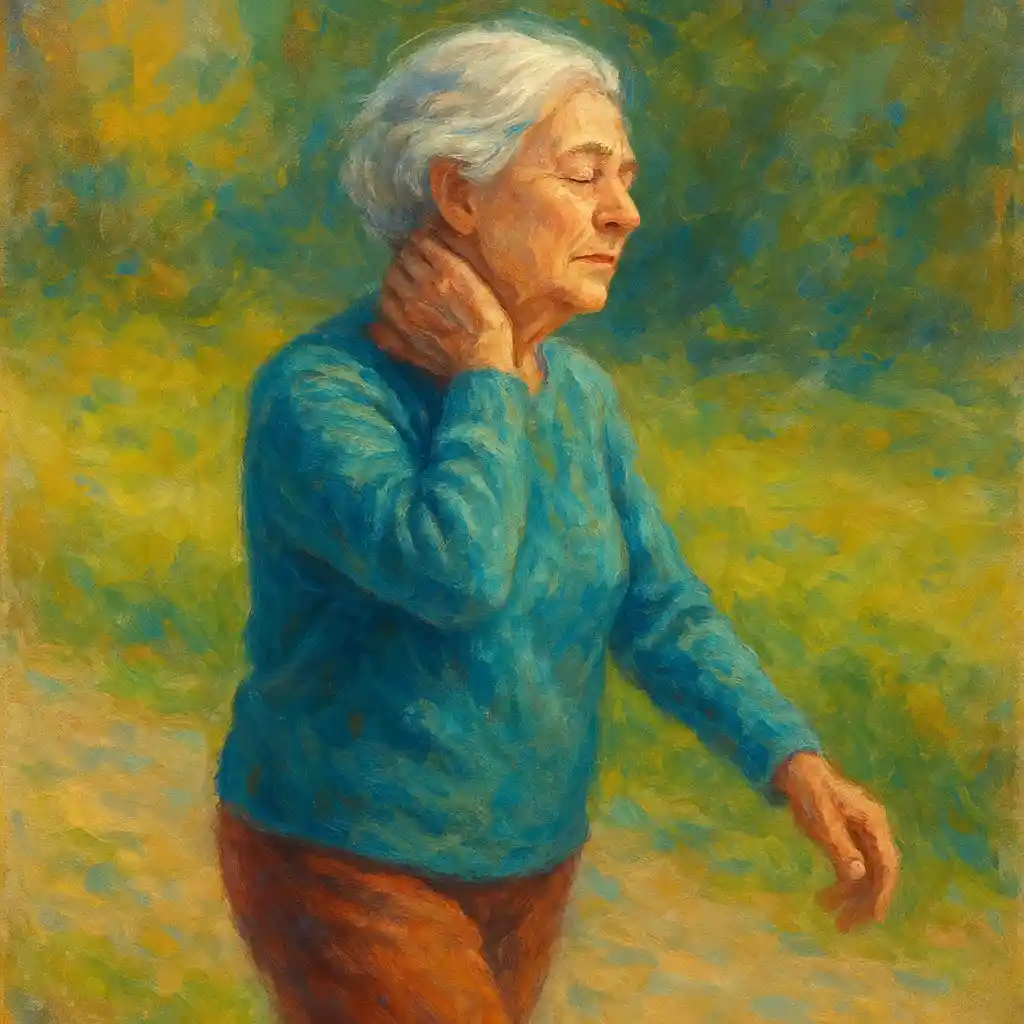
Neck tension can make an ordinary day feel harder. Turning the head, looking down to read, using a phone, cooking, driving, or even relaxing on the sofa can become uncomfortable. For many seniors, neck tightness also brings shoulder tension, headaches, and a feeling of stiffness that spreads into the upper back.
A daily walking routine is one of the simplest and most useful habits for easing neck tension and walking problems. The best part is that walking is low-impact, easy to adjust to your level, and friendly for most bodies. When done with good posture and a steady plan, Neck Tension and Walking fit together well: walking improves blood flow, reduces stress, supports better posture, and keeps the neck and shoulders moving in a healthy way. Incorporating neck tension and walking into your routine can significantly enhance your overall well-being.
For those dealing with neck tension and walking difficulties, understanding the connection between these two can lead to a more enjoyable walking experience. Regularly walking with attention to neck tension can foster a greater sense of relaxation and improve mobility.
1) Understanding neck tension in seniors
Neck tension means the muscles around the neck and shoulders stay tight for too long. This can feel like:
- Stiffness when turning the head
- A heavy feeling in the shoulders
- Tight bands along the sides of the neck
- Pain that spreads to the upper back
- Headaches that start at the base of the skull
- Tiredness from holding the body in a tense position
Common causes
Neck tension often comes from a mix of daily habits and age-related changes:
- Poor posture: Head forward, rounded shoulders, slouched upper back
- Long sitting time: TV, computer use, reading, knitting, puzzles
- Phone posture: Looking down for long periods
- Stress and worry: Muscles tighten when the nervous system is on alert
- Weak upper back muscles: The neck works too hard to hold the head
- Arthritis or joint wear: Movement becomes limited, muscles protect the area
- Sleep position: Too many pillows or an awkward neck angle
- Dehydration: Muscles can cramp or feel more sensitive
Neck tension is not only a pain problem. It can affect balance, sleep quality, mood, and confidence with movement.
2) Why Neck Tension and Walking connect so well
Walking is more than “just moving your legs.” A good walk uses the whole body: posture, breathing, balance, and rhythm. This is why Neck Tension and Walking work well together.
Benefit 1: Better blood flow to tight muscles
When you walk, your heart rate rises gently. This sends more oxygen and nutrients to muscles. Tense neck and shoulder muscles often feel tight because they do not get enough healthy circulation during long sitting. Walking supports:
- Less muscle stiffness
- Faster recovery after stress or poor posture
- A warmer, looser feeling in the upper body
Benefit 2: Posture support and spinal alignment
Walking trains the body to stand tall. With practice, it becomes easier to keep:
- Head balanced over the shoulders
- Shoulders relaxed and down
- Chest open
- Upper back active and supportive
This reduces overload on the neck.
Benefit 3: Gentle strengthening without heavy strain
Many seniors avoid strength training because it feels too hard. Walking is a simpler entry point. Over time, it strengthens:
- Legs and hips (important for stable posture)
- Core muscles (support the spine)
- Upper back muscles (reduce neck workload)
Even small strength gains can reduce neck tension.
Benefit 4: Lower stress and calmer nervous system
Finding ways to combat neck tension and walking challenges can significantly improve quality of life for many seniors. Adopting strategies to address neck tension while walking will lead to a more rewarding experience.
Recognizing the relationship between neck tension and walking can help seniors prioritize their health and improve their daily routines. By focusing on neck tension and walking, individuals can create healthier habits.
Stress is one of the biggest drivers of muscle tension. Walking helps by:
- Reducing stress hormones
- Releasing endorphins (natural “feel better” chemicals)
- Supporting better sleep
- Giving the mind a break from constant thinking
A calmer nervous system often means softer neck muscles.
Benefit 5: More movement variety during the day
Neck tension often grows because the body stays in one position too long. Walking breaks the “stuck” pattern and creates healthy change in the muscles and joints.
3) Before starting: health and comfort basics
Walking is safe for many seniors, but a few smart steps make it safer and more comfortable.
Speak with a healthcare professional when needed
Extra guidance is important if there is:
- Severe or sudden neck pain
- Pain after a fall or accident
- Numbness, tingling, or weakness in an arm or hand
- Dizziness, fainting, or vision changes
- Unexplained weight loss or fever
- Strong headaches that feel unusual
- Known spinal problems, osteoporosis, or balance issues
Support from a doctor or physical therapist can help you walk with confidence.
Choose supportive shoes
Good walking shoes reduce stress on the whole body. This matters for neck tension because foot pain changes posture. Look for shoes with:
- Good grip
- A stable heel
- Enough toe space
- Soft cushioning but not too soft
- Support that feels steady
Wear comfortable clothing
Tight clothing can limit arm swing and shoulder movement. Choose layers that allow easy movement and keep you warm without making you stiff.
Pick the right walking place
A calm and safe route makes the habit easier:
- Flat path or gentle slope
- Even surface
- Good lighting
- Minimal traffic
- Nearby benches or places to rest
4) Warm-up: 3–5 minutes that protect the neck
A short warm-up prepares the neck, shoulders, and upper back. Movements should be gentle and slow.
Warm-up routine (standing or sitting)
- Shoulder rolls (10 circles back, 10 circles forward) Keep the movement smooth. Do not lift shoulders high.
- Neck side tilt (3 each side) Tilt the ear toward the shoulder a little. Keep shoulders down. Hold 5 seconds.
- Neck rotation (3 each side) Turn the head slowly as if looking to the side. Stop before pain.
- Chin tucks (5–8 reps) Slide the chin straight back, making a “double chin.” Hold 2 seconds. Release.
- Chest opening stretch (20 seconds) Place hands behind the back or on the hips. Gently open the chest and bring shoulder blades slightly together.
This warm-up is short, but it can reduce stiffness and help posture during the walk.
5) Walking technique that reduces neck tension
Walking can help, but posture and pace matter. A tense walk can keep the neck tight. A relaxed, well-aligned walk supports relief.
Set a comfortable pace
Start slower than you think. The goal is steady movement, not speed. A good beginner target is:
- 10–20 minutes per day
- A pace where breathing is slightly deeper but still calm
- Ability to talk in short sentences without gasping
With time, the walk can be longer or slightly faster.
Keep the head and neck neutral
A neutral neck means no pushing forward and no lifting the chin up. Helpful cues:
- Imagine a string gently lifting the top of the head
- Keep eyes looking forward, not down for long
- Keep the chin level, not pointing up
Relax the shoulders and let arms swing
Shoulders often “creep up” with stress. During the walk:
- Drop shoulders down away from the ears
- Let arms swing naturally at the sides
- Keep hands soft, not clenched
Arm swing helps upper back muscles work, which can reduce neck load.
Use the upper back, not the neck, for posture
A tall walk uses the upper back and shoulder blades, not neck tension. Lightly activate the upper back:
- Imagine shoulder blades sliding gently toward the back pockets
- Keep the chest open, not forced
Breathe in a slow, steady rhythm
Breathing changes muscle tension. Shallow breathing can increase tightness. A simple walking breath pattern:
- Inhale through the nose for 3–4 steps
- Exhale slowly for 3–4 steps
- Keep the face and jaw relaxed
6) Neck-friendly stretch breaks during the walk
Short stretch breaks help if stiffness builds. These are simple and can be done near a wall, bench, or safe spot.
Quick break routine (1–2 minutes)
- Shoulder blade squeeze (5 reps): Pull shoulder blades gently together, hold 2 seconds, release.
- Neck side stretch (each side 10–15 seconds): Tilt ear toward shoulder. Keep the other shoulder down.
- Upper trapezius “drop” reset: Inhale, lift shoulders gently, exhale and let them drop fully.
- Chin tuck (3 reps): Gentle slide back, hold 2 seconds.
These small resets keep the walk comfortable and train better posture.
7) Mindful walking for stress-related tension
Stress often shows up as tight shoulders and a stiff neck. Mindful walking helps the nervous system shift from “alert” to “calm.”
Simple mindful walking steps
- Notice the feet touching the ground
- Keep attention on the rhythm of steps
- Match breathing to the steps
- Relax the jaw and forehead
- Let the shoulders feel heavy and down
Mindful walking is not complicated. It is a calm style of attention. Over time, this reduces “default tension” in the upper body.
8) Helpful supports: walking poles, canes, and neck comfort options
Walking poles for posture and balance
Walking poles can reduce strain and improve posture when used correctly. They:
- Improve balance
- Encourage arm swing
- Reduce fear of falling
- Support an upright position
Poles should be adjusted to the correct height. If unsure, ask a professional at a walking store or a physical therapist.
Cane or walker when needed
If balance is a concern, using a cane or walker can make walking safer and more relaxed. A relaxed walk often means less neck tension.
Neck comfort during walks
Neck braces are not usually needed for normal walking and can weaken muscles if overused. Better options include:
- Wearing a light scarf in cold weather (cold increases stiffness)
- Using posture reminders (small cues, not rigid supports)
- Taking more frequent breaks for gentle stretching
For specific medical conditions, a healthcare professional can advise on neck supports.
9) Safety tips that keep walking sustainable
Safety supports consistency. Consistency brings results for Neck Tension and Walking.
- Walk in well-lit, familiar areas
- Avoid slippery surfaces and uneven ground when possible
- Check weather and dress for wind or cold
- Carry a phone and emergency contact information
- Walk with a friend if confidence is low
- Use sunscreen and a hat in strong sun
- Drink water before and after the walk
- Stop if there is sharp pain, dizziness, or unusual symptoms
A safe walk is a relaxed walk. A relaxed walk helps the neck.
10) After-walk recovery: lock in the benefits
Walking loosens muscles, but good recovery helps the body keep those gains.
Cool-down (3–5 minutes)
Walk slowly for the last 2–3 minutes, then stretch gently.
Cool-down stretches
- Neck rotation (slow, small range)
- Shoulder rolls
- Chest stretch in a doorway or with hands behind back
- Upper back stretch: hug yourself and round the upper back gently
Hydration and nutrition
Drink water after walking. Add a balanced snack or meal that includes:
- Protein (eggs, yogurt, beans, fish, chicken)
- Colorful plants (berries, leafy greens, vegetables)
- Healthy fats (nuts, olive oil, avocado)
Anti-inflammatory foods support joints and muscle recovery.
Heat or cold therapy
- Heat helps tight muscles relax (warm shower, warm compress 10–15 minutes).
- Cold helps with inflammation after strain (ice pack wrapped in cloth, 10 minutes).
Use comfort as a guide. Do not apply extreme temperatures directly to the skin.
11) A simple 4-week walking plan for neck tension relief
This plan is gentle and realistic. Adjust based on energy and pain levels.
Week 1: Build the habit
- Walk 10–15 minutes, 5 days per week
- Warm up 3 minutes, cool down 3 minutes
- Focus on posture and relaxed shoulders
Week 2: Increase time slowly
- Walk 15–20 minutes, 5 days per week
- Add one short stretch break during the walk
- Keep pace comfortable
Week 3: Add a little challenge
- Walk 20–25 minutes, 5 days per week
- Add two short posture checks during the walk
- Add mindful breathing for 3 minutes
Week 4: Make it your normal routine
- Walk 25–35 minutes, 5 days per week
- Keep one day as an easy recovery walk
- Keep posture and neck comfort as the priority
Even small progress helps. Long walks are not required for benefits.
12) Tracking progress and making smart adjustments
Tracking helps motivation and safety. Use a small notebook or a simple phone note.
What to track
- Walking time
- Route or location
- Neck tension level before and after (0–10 scale)
- Mood and energy
- Sleep quality
Signs the routine is working
- Less stiffness in the morning
- Easier head turning
- Lower shoulder tightness
- Fewer tension headaches
- Better posture during the day
- Improved mood and confidence
When to adjust
Adjust the plan if:
- Pain increases over several days
- Fatigue feels stronger than normal
- Walking form becomes tense
- Sleep becomes worse
Adjust by walking shorter, slowing down, adding more rest days, or speaking with a professional.
13) Real-life examples: small routines, big change
Mary, 72: Less stiffness after breakfast walks
Mary had a habit of sitting for long periods reading. Her neck felt tight by midday. She started walking 15 minutes after breakfast, five days a week, with gentle shoulder rolls before leaving the house. After three weeks, she felt looser in the shoulders and had fewer headaches.
John, 68: Better posture with poles
John had neck tension with mild upper back stiffness. He added walking poles to support balance and improve arm swing. He practiced keeping the chin level and shoulders down. After one month, he noticed he stood taller and felt less “weight” on the neck.
Sarah, 75: Stress relief helped the neck
Sarah’s neck tension was worse on stressful days. She started a calm daily walk in a park and focused on breathing and slow steps. Her neck felt more relaxed, and her sleep improved.
These examples show a simple truth: steady walking, done with care, often brings noticeable changes.
14) Extra neck exercises that match well with walking
These exercises support the muscles that protect the neck. They are gentle and useful for many seniors.
1) Wall posture reset (1 minute)
Stand with the back near a wall. Bring the head back slightly, keeping the chin level. Relax shoulders down. Breathe slowly.
2) Seated chin tuck + hold (5 reps)
Chin slides straight back. Hold 3 seconds. Release. This supports deep neck muscles.
3) Shoulder blade “W” squeeze (8 reps)
Elbows at sides, bend arms like a “W.” Gently squeeze shoulder blades back and down. Hold 2 seconds.
Do these once per day, especially on non-walking days.
15) When walking is not enough on its own
Walking is powerful, but not every neck issue is simple tension. Professional help is important if there is:
- Pain that spreads into the arm
- Weak grip or dropping items
- Strong numbness or tingling
- Pain that wakes you up often
- New balance problems
- Symptoms after a fall
A physical therapist can check posture, muscle balance, and walking form. Small changes can bring big relief.
Conclusion: Make Neck Tension and Walking part of daily life
Neck tension can feel like a constant companion, but it does not need to control the day. A daily walking habit can support real change: better circulation, stronger posture muscles, lower stress, improved mood, and easier movement in the neck and shoulders. The key is to keep walking comfortable, safe, and consistent.
Start small. Warm up gently. Walk with relaxed shoulders and a neutral neck. Add short stretch breaks. Cool down and recover well. Track progress and adjust when needed.
With time, Neck Tension and Walking become a steady partnership: one simple activity that supports a calmer neck and a stronger, more comfortable body.
Incorporating neck tension and walking exercises not only helps relieve discomfort but also enhances overall physical wellness. Seniors may find that focusing on neck tension while walking leads to improved mobility and reduced pain.
Ultimately, making neck tension and walking a habitual practice will yield long-term benefits for seniors. Walking can become a powerful tool in managing neck tension and enhancing physical well-being.
To ensure comfort while addressing neck tension and walking, it’s essential to implement proper techniques and listen to your body. Seniors who prioritize neck tension while walking can enjoy a more fulfilling experience.
Making the connection between neck tension and walking a focal point of your routine will enhance your physical activity and promote relaxation throughout the day.
In conclusion, integrating strategies that target neck tension with walking practices can lead to a healthier lifestyle, allowing seniors to feel looser, calmer, and stronger.
Combining awareness of neck tension and walking will pave the way for enhanced well-being and a more enjoyable walking journey.
Taking the time to address neck tension and walking can make a significant difference in daily comfort levels and overall happiness.
By recognizing the vital relationship between neck tension and walking, seniors can effectively manage discomfort and reclaim their active lifestyles.