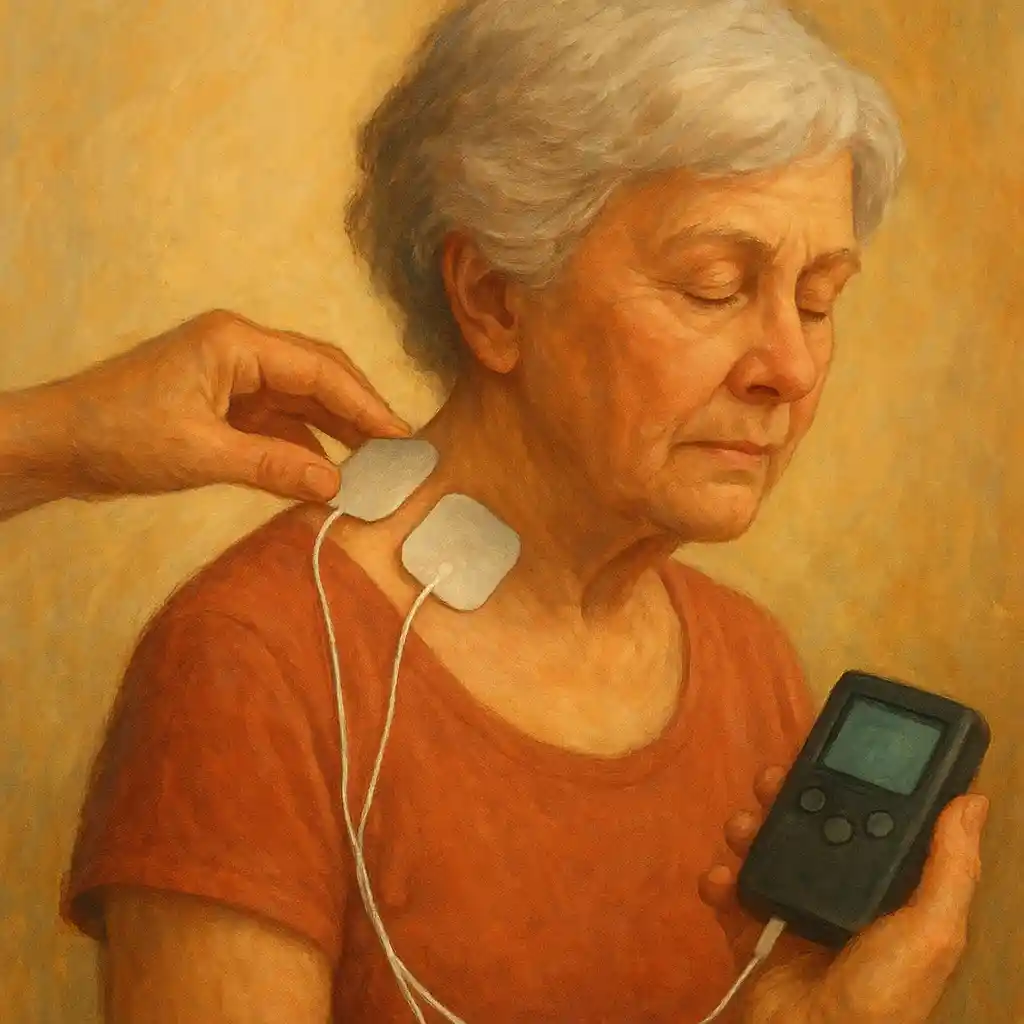
Neck pain can make daily life feel harder than it should. Turning your head, driving, reading, cooking, using a phone, or even sleeping can become uncomfortable. Many people, especially seniors, want relief without relying only on pills. That is where TENS therapy can help.
This guide explains how to Alleviate Neck Pain with TENS Therapy at Home in a clear and safe way. It covers what a TENS unit is, how it works, how to choose a good device, where to place the pads, how to set the intensity, and how to combine TENS with other helpful habits like stretching and heat.
1) Understanding neck pain in seniors
Neck pain is common as people get older. The neck is made of bones, joints, discs, nerves, and many muscles. The neck also supports the head all day long. With time, it is normal for some parts of the neck to become stiff or irritated.
Common causes of neck pain
Neck pain can come from one cause or several causes together:
- Muscle tension and tightness Often linked to stress, long hours sitting, or holding the head in one position.
- Poor posture Looking down at a phone, leaning forward at a computer, or sitting without good back support can strain the neck.
- Arthritis and age-related wear Joints in the neck can become stiff or painful over time.
- Degenerative disc changes Discs can lose some height and flexibility. This can cause stiffness and pain.
- Sleeping position and pillow issues A pillow that is too high, too flat, or too old can push the neck into a stressful angle.
- Old injuries Past whiplash, falls, or sports injuries can lead to ongoing neck problems.
- Stress and jaw tension Stress can tighten the shoulders, upper back, and neck muscles. Teeth clenching can also play a role.
How neck pain affects daily life
Neck pain is not only a sore spot. It often leads to a chain reaction:
- Less movement due to fear of pain
- Stiff muscles from not moving
- Poor sleep, which increases pain sensitivity
- Less exercise and weaker muscles over time
- Lower mood and less social activity
The goal of home pain care is to break this cycle gently and safely.
2) What TENS therapy is and how it works
The meaning of TENS
TENS stands for Transcutaneous Electrical Nerve Stimulation. “Transcutaneous” means “through the skin.”
A TENS unit is a small device that sends mild electrical pulses through sticky pads placed on the skin. These pads are called electrodes.
What TENS feels like
Most people feel:
- Tingling
- Gentle tapping
- Buzzing
- Light pulsing
It should feel strong but comfortable. It should not feel sharp, burning, or painful.
Why TENS can reduce pain
TENS therapy may help in two main ways:
- It can reduce pain signals going to the brain The electrical pulses can “compete” with pain messages in the nerves. This is often called the “gate control” idea.
- It can support the body’s natural pain relief Some settings may help the body release natural pain-relieving chemicals (endorphins).
What TENS can and cannot do
TENS is best seen as a tool to manage symptoms.
- It can help Muscle tension, mild to moderate neck pain, stiffness, and discomfort from posture strain.
- It may not fully solve Pain caused by a serious nerve problem, fracture, infection, severe arthritis flare, or other medical conditions.
Many people get the best results when they use TENS as part of a complete plan, not as the only tool.
3) Key benefits of using TENS for neck pain at home
Using TENS at home has several practical benefits:
- Drug-free support Helpful for people who want to reduce frequent pain medicine use or cannot tolerate certain medicines.
- Non-invasive No needles, no injections, no surgery.
- Fast, flexible use A session can fit into the day, often 15 to 30 minutes.
- Portable and simple Many devices are small and easy to use at home.
- Adjustable Intensity can be changed based on comfort and need.
- Can help relaxation When neck muscles relax, movement often feels easier.
For many seniors, this combination makes TENS a practical home option.
4) Choosing the right TENS unit for neck pain
Many TENS units look similar, but small differences matter for comfort and results.
Features worth having
For neck pain, look for these features:
- Adjustable intensity with small steps This helps you find a comfortable level without jumps that feel too strong.
- Several modes or programs Many devices offer patterns like “knead,” “pulse,” or “massage.” Variety can help because the body sometimes gets used to one pattern.
- Timer A timer helps prevent overuse and makes sessions simple.
- Two channels (optional but helpful) Two channels allow four pads and can cover a wider area, such as neck and shoulder together.
- Clear screen and easy buttons Important for comfort and independence.
- Rechargeable battery or easy battery access Choose what fits your routine. Rechargeable can be easier long-term.
- Quality electrode pads Better pads stick well and feel more comfortable.
Helpful extras
- A small storage case
- Extra pads
- Longer lead wires for comfortable placement
- A simple instruction booklet with pictures
A note about “EMS” devices
Some units include both TENS and EMS. EMS is for muscle training and can cause stronger muscle contractions. For neck pain relief, start with TENS mode, not EMS, unless a professional guides you.
5) Safety rules and precautions for neck use
Safety matters most when using electrical stimulation near the neck. These rules help reduce risk.
Do not use a TENS unit without medical guidance if you have
- A pacemaker or implanted defibrillator
- Other implanted electrical devices
- Serious heart rhythm problems
- Epilepsy or seizure disorders
- Known or suspected cancer near the treatment area
- Pregnancy (especially near trunk areas)
- Blood clots or clotting disorders
- Major loss of skin feeling (for example, neuropathy)
- Open wounds, skin infection, or severe skin irritation where pads would go
Avoid these pad placements
For neck pain relief, avoid unsafe areas:
- Front of the neck or throat
- Sides of the neck where strong pressure points and important blood vessels sit
- Across the neck from left to right in a way that sends current through the front or sides
- Across the chest or near the heart
- On the head, eyes, or mouth
- On broken or irritated skin
A simple rule: place pads on muscle areas, mainly the back of the neck and upper shoulders, and keep them away from the throat.
Do not use TENS during these activities
- Driving
- Sleeping
- Bathing or showering
- Using heat sources directly over the pads (like a heating pad on top of electrodes)
Stop and seek advice if you feel
- Dizziness
- Strong headache
- Chest pain
- Unusual heartbeat feeling
- Strong skin burning or a rash that does not quickly improve
- Pain that gets worse instead of better
6) Preparing for success at home
A little preparation improves comfort and results.
Before each session
- Wash and dry the skin Clean skin helps pads stick and improves the electrical connection.
- Avoid lotion or oils These can reduce pad sticking and may cause uneven sensation.
- Sit in a comfortable position Support your back. Let shoulders relax. Keep the neck neutral.
- Check the pads Replace pads that are dry, damaged, or not sticky.
- Start calm Use TENS during a quiet moment. This makes it easier to find the right intensity.
7) Safe electrode placement for neck pain
Correct pad placement is one of the biggest keys to comfort and relief.
General placement rules
- Place pads on muscle, not on the throat or front of the neck
- Keep pads at least 2 to 3 cm apart (about one to two finger widths)
- Avoid placing pads directly over the spine bone itself
- Use a mirror if needed
- If you feel a sharp sting, move the pad slightly and lower the intensity
Placement pattern 1: One-side neck and shoulder (often the easiest)
This is a common pattern for pain on one side.
- Pad A: Back of the neck, slightly to the painful side, on the muscle
- Pad B: Top of the same-side shoulder (upper trapezius muscle)
This placement targets the muscles that often tighten with posture and stress.
Placement pattern 2: Upper shoulder and upper back
This works well when pain spreads into the shoulder blade area.
- Pad A: Top of the shoulder on the painful side
- Pad B: Upper back, between shoulder blade and spine, on the same side
This pattern often feels comfortable because it stays away from the front and sides of the neck.
Placement pattern 3: Back of neck (two pads on the back area)
This pattern can help central tightness at the base of the skull or upper neck area.
- Place both pads on the back of the neck, on the muscles
- Keep them separated and avoid wrapping around the sides
If the back of the neck feels too small for your pad size, use smaller pads or choose pattern 1 or 2 instead.
A simple comfort check
After placing pads, turn the unit on at very low intensity. The sensation should feel even and comfortable. If one pad stings or feels sharp, reposition it.
8) Setting intensity and choosing a mode
A TENS unit usually has two main controls:
- Mode or program (the pulse pattern)
- Intensity (how strong the pulses feel)
Intensity guideline
- Start at the lowest setting
- Increase slowly until you feel a strong but comfortable tingling
- Avoid pain, burning, or strong muscle cramping
- If muscles twitch strongly, the intensity is likely too high for comfort
Pain relief is not always better at the highest intensity. Comfort and steady use often work best.
Mode guideline
Many devices have named modes, such as:
- Massage
- Knead
- Tap
- Pulse
- Acupuncture style
For beginners, a gentle “massage” or “pulse” mode is often comfortable. Changing the mode from time to time can help if the sensation starts to feel less effective after several minutes.
Small tip for better results
Some people feel the best relief when they increase intensity slightly after 5 to 10 minutes, because the body gets used to the stimulation. Keep changes small and stay in the comfortable range.
9) Session length and frequency that fits real life
A practical plan helps you stay consistent.
A safe starting plan
- First sessions: 10 to 15 minutes
- After a few days: 20 to 30 minutes if comfortable
- Daily frequency: 1 to 3 sessions per day as needed, with breaks between sessions
If the skin becomes red or irritated, take a longer break and shorten the next session.
When to use TENS during the day
Many people use it:
- In the morning to reduce stiffness
- In the afternoon after reading, computer use, or housework
- In the evening to relax muscles before bed
The best time is when you can sit safely and relax.
10) Combining TENS therapy with other neck pain relief methods
TENS therapy works well as part of a full routine. This is one of the best ways to Alleviate Neck Pain with TENS Therapy at Home and get lasting benefits.
Heat and cold
- Heat (warm shower, warm towel, heating pad used separately from TENS) can relax tight muscles.
- Cold (cold pack wrapped in cloth) can calm a flare after activity.
A simple routine can look like this:
- Heat for 10 minutes
- TENS for 20 minutes
- Gentle stretching for 2 to 5 minutes
Avoid placing heat directly on top of TENS pads while the unit is running.
Gentle stretches for seniors
Move slowly and stay in a comfortable range.
- Neck side bend stretch Tilt ear toward shoulder. Hold 10 to 20 seconds. Repeat both sides.
- Neck rotation Turn head gently to the side as if looking over the shoulder. Hold 5 to 10 seconds. Repeat.
- Shoulder rolls Roll shoulders up, back, and down. Repeat 10 times.
- Chin tuck Bring chin slightly backward, making a “double chin” shape. Hold 3 seconds. Repeat 5 to 10 times. This supports posture muscles.
Stop any stretch that increases sharp pain, dizziness, or nerve symptoms.
Posture habits that reduce strain
Small changes often make a big difference:
- Keep screens at eye level
- Use a chair with back support
- Keep feet flat on the floor
- Take short movement breaks every 30 to 45 minutes
- Avoid holding the phone between ear and shoulder
- Use a headset or speakerphone when possible
Sleep support
Neck pain often gets worse with poor sleep position.
- Use a pillow that supports the neck, not just the head
- Avoid sleeping with the neck sharply bent
- Side sleeping often works well with a supportive pillow
- Replace old pillows that have lost shape
11) Real-life examples of home TENS use
These examples show realistic ways people add TENS to daily life. Results vary, but many people find a helpful pattern with steady use.
Example 1: Morning stiffness and tight shoulders
A retired teacher had morning stiffness and tight trapezius muscles. A short routine helped:
- Warm shower
- TENS on one side neck and shoulder for 20 minutes
- Two gentle stretches and shoulder rolls
With regular practice, stiffness became easier to manage, and movement felt smoother during the day.
Example 2: Computer posture strain
A senior who used a tablet for long periods noticed neck and upper back tension. Improvements came from:
- Raising the screen and using a stand
- Using TENS on the shoulder and upper back area after screen time
- Taking short breaks every 30 minutes
The combination reduced the “end of day” tightness.
Example 3: Stress-related neck tension
Another person noticed neck pain was stronger on stressful days. Helpful steps included:
- Calm breathing for two minutes
- TENS session in the evening
- Gentle stretching before bed
The main win was better relaxation and easier sleep.
These stories share one pattern: TENS works best when paired with posture, movement, and calm routines.
12) Maintaining your TENS unit for safe, comfortable use
A well-kept device is more comfortable and works better.
Pad care
- Put pads back on their plastic sheet after use
- Store them in a sealed bag or case if possible
- Keep them clean and free of dust
- Replace pads when they stop sticking well or feel rough
Skin care
- Rotate pad placement slightly to reduce irritation
- If skin becomes red, let it rest and reduce session time
- Avoid using on irritated skin
Battery and wires
- Recharge or replace batteries regularly
- Check wires for damage
- Do not pull wires to remove pads
Good maintenance prevents sudden discomfort and keeps the stimulation even.
13) Troubleshooting common problems
Small issues are common at the start. These fixes help most users.
No sensation at all
- Check the unit is turned on
- Increase intensity slowly
- Check the lead wires are connected
- Make sure pads stick well to clean, dry skin
- Replace old pads if needed
Stinging or sharp feeling under one pad
- Lower intensity
- Move the pad slightly to a nearby muscle area
- Make sure the pad is fully flat and not folded
- Replace pads if dry
Pads keep falling off
- Clean and dry the skin
- Avoid lotions
- Trim excess hair if needed (do not shave right before using)
- Replace worn pads
Muscle twitching feels too strong
- Lower intensity
- Choose a gentler mode
- Reposition pads to a larger muscle area like upper shoulder
Comfort is the goal. Strong stimulation is not required for a useful session.
14) Signs that neck pain needs medical attention
Home care is helpful for many cases, but some symptoms need professional help.
Seek medical care if neck pain comes with:
- Weakness in an arm or hand
- Numbness or tingling that spreads down the arm
- Problems with balance or walking
- Fever, chills, or unexplained weight loss
- Severe headache that is unusual
- Pain after a fall or accident
- Loss of bladder or bowel control
- Pain that does not improve over time
TENS is not meant to replace medical evaluation when warning signs are present.
15) Common concerns explained clearly
This section gives clear answers without confusion.
- TENS is not addictive It does not create chemical dependence. People can use it as needed.
- TENS should not cause pain Strong discomfort is a sign to lower intensity or adjust placement.
- Results vary Some people feel relief quickly. Others need several sessions to find the best settings and placement.
- TENS is symptom support It can reduce pain and tension, but posture, movement, and medical care also matter for long-term improvement.
- Consistency helps Short, regular sessions often work better than rare, long sessions.
Conclusion: A simple path to safer comfort
Neck pain can limit movement, reduce sleep quality, and make daily tasks harder. A TENS unit offers a non-invasive and drug-free way to manage discomfort at home. With safe pad placement, comfortable intensity, and a steady routine, many seniors find meaningful relief.
The most effective approach is balanced and practical:
- Use TENS on the back of the neck and upper shoulders
- Keep sessions comfortable and timed
- Combine with heat, gentle stretching, and better posture
- Maintain the device and protect the skin
- Get medical advice when symptoms are new, severe, or unusual
With these steps, it becomes realistic to Alleviate Neck Pain with TENS Therapy at Home and support better daily comfort, movement, and confidence.