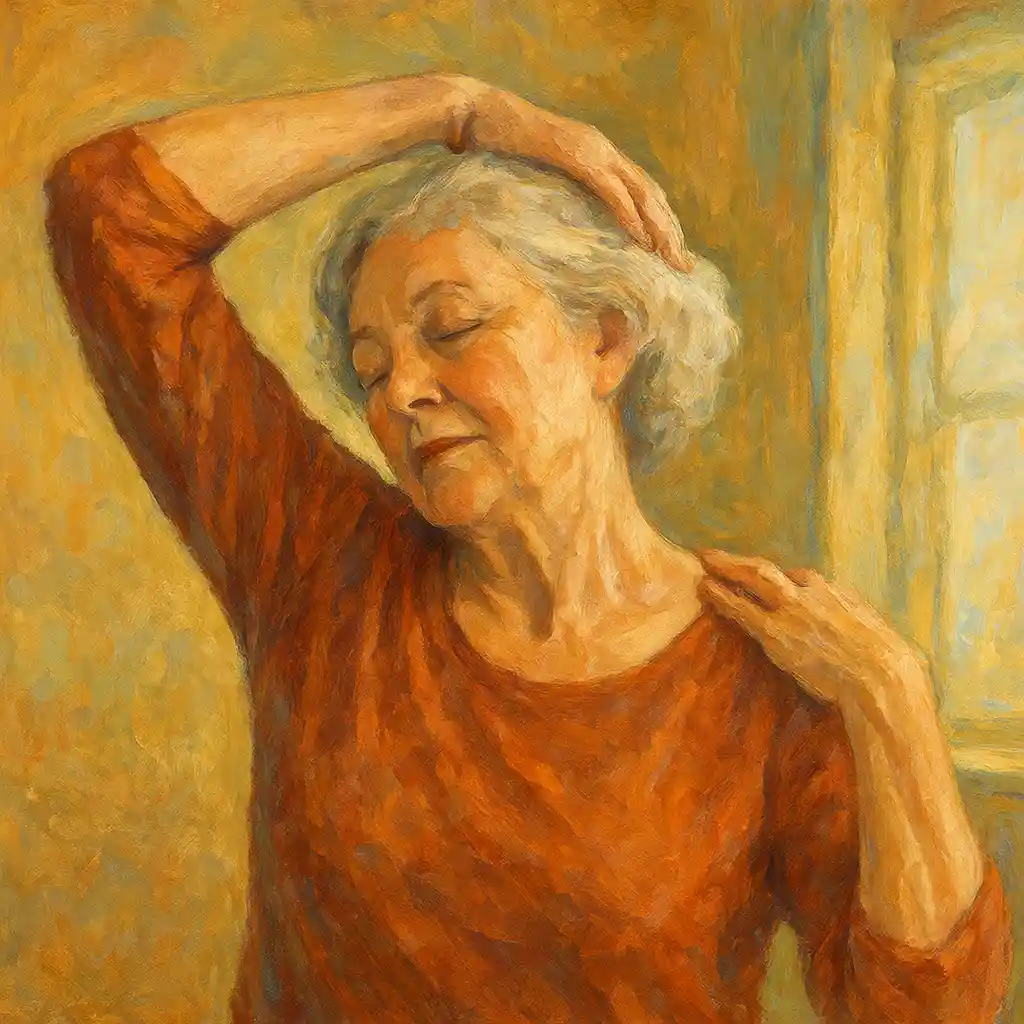
Neck pain in the morning can change the whole day. It can make simple things harder, like getting dressed, reading, driving, or turning the head to look around. For many seniors, neck stiffness becomes more common with age because joints and muscles can lose flexibility, and the body may take longer to “warm up” after sleep.
The good news is that safe, slow, gentle movement can help a lot. A short routine in the morning can improve blood flow, reduce stiffness, support better posture, and help the neck feel calmer during the day. This article shares Neck Stretching Tips for Seniors that are easy to follow, friendly for beginners, and focused on comfort and safety.
This is not about pushing through pain or doing hard workouts. It is about small, steady steps that support long-term neck health and overall well-being.
Why morning neck pain happens more often in seniors
Morning neck pain usually has more than one cause. Understanding the most common reasons helps you choose the right solution and avoid habits that make pain worse.
Common causes of morning neck pain
- Sleep position
- Sleeping on the stomach often twists the neck for many hours.
- Sleeping on the side or back is usually easier on the neck when the pillow height is right.
- Pillow height or pillow shape
- A pillow that is too high can bend the neck sideways.
- A pillow that is too flat can let the head drop back or forward.
- The goal is simple alignment, with the neck supported and the head not pushed up.
- Arthritis and joint changes
- Arthritis can reduce smooth movement in the neck joints.
- Some people feel more stiffness in the morning because joints are less “lubricated” after rest.
- Muscle tightness and reduced flexibility
- Muscles can tighten during sleep, especially if the body is tense or the pillow does not support the neck well.
- If the upper back and shoulders are stiff, the neck often works harder.
- Poor posture during the day
- A forward head position, rounded shoulders, and long sitting time can strain the neck.
- Screen time and looking down at a phone can add stress to the neck muscles.
- Stress and shallow breathing
- Stress can cause the shoulders to lift and the jaw to tighten.
- That tension often “sits” in the neck and upper back.
When neck pain needs medical advice
Gentle stretching is often helpful, but some symptoms should be checked by a healthcare professional. Seek medical help if neck pain comes with:
- fever or unexplained illness
- a fall or accident
- severe headache that feels unusual
- numbness, tingling, or weakness in an arm or hand
- dizziness that is strong or frequent
- pain that keeps getting worse over time
For ongoing neck pain, a clinician or physical therapist can help you choose the safest exercises for your body.
Safety rules before you start stretching
These simple safety rules make stretching more effective and reduce risk.
Core safety guidelines
- Move slowly and gently
- Avoid quick movements or large circles.
- Slow movement helps the muscles relax and gives the joints time to adjust.
- Stretch into mild tension, not sharp pain
- Mild pulling is fine.
- Sharp pain, burning pain, or numbness is a sign to stop.
- Breathe normally
- Holding the breath increases tension.
- A calm exhale helps muscles release.
- Keep the shoulders down
- Many people stretch the neck but lift the shoulders at the same time.
- A relaxed shoulder position protects the neck.
- Use a chair for support
- A firm chair helps balance.
- Seated stretches are often safest for seniors.
- Start small
- A small range of motion is enough in the beginning.
- Range improves over time.
A simple comfort scale
Use a 0 to 10 comfort scale.
- 0 to 2 feels easy and safe
- 3 to 4 feels like a gentle stretch
- 5 or more often means too much for a morning routine
For most seniors, morning stretching works best at a 2 to 4 level.
Why gentle neck movement helps
A calm routine can create real physical changes over time.
Benefits of slow, gentle neck stretches
- Better blood flow
- Warm blood brings oxygen to tight tissues.
- This helps muscles loosen up.
- Less stiffness
- Gentle movement helps joints move more smoothly.
- This is helpful for arthritis and age-related tightness.
- Improved range of motion
- Turning the head becomes easier with regular practice.
- Daily tasks feel simpler.
- Better posture
- Many neck problems connect to shoulder and upper back posture.
- Stretching plus posture habits can reduce daily strain.
- Better mood and sleep
- Pain and poor sleep often affect each other.
- A calm routine can reduce stress and support relaxation.
These are practical, lasting results. Consistency is more important than intensity.
A senior-friendly morning routine for neck relief
This routine takes about 7 to 12 minutes. It uses slow motion and gentle holds. It is designed as one of the most useful Neck Stretching Tips for Seniors because it combines stretching, mobility, posture, and calm breathing.
Set up your space
- Sit on a firm chair with back support, or sit on the edge of the bed with good posture.
- Place feet flat on the floor.
- Rest hands on thighs.
- Let shoulders drop down and back.
- Keep the jaw soft and the tongue relaxed.
Step 1: Calm breathing to release tension (30 to 60 seconds)
- Inhale through the nose for about 3 to 4 seconds.
- Exhale slowly through the mouth for about 4 to 6 seconds.
- On each exhale, relax the shoulders and soften the face.
This step matters. A tense body stretches poorly.
Step 2: Shoulder rolls to reduce upper back tension (30 to 60 seconds)
Shoulder tension often pulls on the neck. Releasing the shoulders first helps the neck stretch better.
How to do it
- Lift shoulders gently up toward the ears.
- Roll them back in a slow circle.
- Lower them down, as if sliding the shoulders into the back pockets.
Reps
- 6 to 10 slow circles backward
Tip
- Keep the neck long and relaxed.
- Keep movement smooth and comfortable.
Step 3: Shoulder blade squeezes for posture support (30 seconds)
This builds gentle strength in the upper back and supports better neck alignment.
How to do it
- Keep shoulders relaxed, not lifted.
- Pull shoulder blades gently back and slightly down.
- Imagine holding a soft object between the shoulder blades.
- Hold 2 seconds, then relax.
Reps
- 8 to 12 times
Step 4: Chin tucks for neck strength and posture (60 seconds)
Chin tucks strengthen deep neck muscles and reduce forward head posture. This is one of the top Neck Stretching Tips for Seniors because it helps many common posture patterns.
How to do it
- Sit tall and look straight ahead.
- Gently glide the chin straight back, like making a double chin.
- Keep the head level. Do not look down.
- Hold 3 seconds, then relax.
Reps
- 6 to 10 times
Common mistake
- Bending the head down instead of gliding it back.
Modification
- Use a smaller movement if it feels strange at first.
Step 5: Slow neck turns, side to side (60 to 90 seconds)
This improves comfort when looking left and right.
How to do it
- Start looking forward.
- Slowly turn the head to the right until you feel a gentle stretch.
- Hold 5 to 10 seconds.
- Return to center.
- Slowly turn left.
- Hold 5 to 10 seconds.
- Return to center.
Rounds
- 3 rounds each side
Safety note
- Avoid pushing into pain.
- If dizziness appears, reduce range or skip and talk to a clinician.
Step 6: Ear to shoulder stretch, gentle side bend (60 to 90 seconds)
This can release the upper trapezius muscle, which often feels tight near the shoulder and neck.
How to do it
- Sit tall.
- Keep shoulders relaxed and level.
- Slowly bring the right ear toward the right shoulder.
- Stop when you feel a gentle pull on the left side of the neck.
- Hold 10 to 20 seconds.
- Return to center slowly.
- Repeat on the other side.
Rounds
- 2 rounds each side
Helpful tip
- Keep the nose facing forward.
- Avoid rolling the head forward or back.
Optional support
- Place the opposite hand under the thigh to keep that shoulder down.
Step 7: Gentle nods, yes movement (45 to 60 seconds)
This mobilizes the neck in a safe way and supports comfort in looking down and up.
How to do it
- Start looking forward.
- Slowly nod down, bringing the chin toward the chest a little.
- Stop before pain.
- Return to neutral.
- Then gently lift the chin slightly, looking up a little.
- Return to neutral.
Reps
- 6 to 10 slow nods
Important
- Keep this movement small, especially with arthritis.
Step 8: Diagonal stretch for the back-side neck (levator scapula stretch) (60 to 90 seconds)
The levator scapula muscle runs from the upper shoulder blade to the neck. It can be a strong source of morning stiffness.
How to do it
- Sit tall.
- Turn the head about 30 to 45 degrees to the right.
- Gently look down toward the right armpit.
- Keep the right shoulder relaxed and down.
- Hold 10 to 20 seconds.
- Return slowly.
- Repeat on the other side.
Rounds
- 2 rounds each side
Optional gentle support
- Place a hand lightly on the back of the head for a small added stretch, only if it stays comfortable.
Step 9: Finish with a posture reset (30 seconds)
This brings the body back into good alignment.
How to do it
- Sit tall.
- Lift the chest gently.
- Relax shoulders down and back.
- Do 2 slow breaths with a long exhale.
At this point, many people feel warmer, looser, and calmer.
Simple ways to make stretching even safer
These add extra comfort, especially for seniors with sensitive joints.
Use heat before stretching
Heat helps muscles relax.
- Take a warm shower.
- Place a warm towel on the neck for 5 to 10 minutes.
- Use a heating pad on low for 10 to 15 minutes.
Safety
- Avoid sleeping with a heating pad.
- Protect skin with a cloth layer.
Avoid neck circles if you feel dizzy
Full neck rolls can trigger dizziness for some people, especially older adults. Straightforward turns and gentle side bends are often safer.
Keep the movement small on stiff days
Stiffness changes day by day. Reduce holds and reduce range when needed. Gentle movement still helps.
Mindfulness and breathing that support neck relief
Pain often increases when the body is tense. Adding a simple calm focus can make stretching more effective.
A short mindful breathing method
- Inhale calmly through the nose for 4 seconds.
- Exhale slowly for 6 seconds.
- While exhaling, relax three areas:
- shoulders
- jaw
- hands
Do 5 to 8 rounds during or after stretching.
A simple body scan for tension
- Notice the forehead and soften it.
- Notice the jaw and unclench it.
- Notice the shoulders and let them drop.
- Notice the hands and let the fingers relax.
This takes less than a minute and often reduces neck tightness.
Posture and ergonomics for the rest of the day
Even the best morning routine can be cancelled out by poor posture for many hours. These posture habits are key Neck Stretching Tips for Seniors because they reduce daily strain.
Easy posture habits
- Keep ears roughly over shoulders.
- Keep the chest open and shoulders relaxed, not rounded forward.
- Avoid “turtle neck” posture where the head reaches forward.
Screen and phone tips
- Place computer screens at eye level.
- Bring reading material up higher with a stand or pillows.
- Hold the phone higher instead of bending the neck down.
- Avoid holding the phone between the ear and shoulder.
Breaks that protect the neck
- Stand up every 30 to 60 minutes.
- Do 3 shoulder rolls and 2 chin tucks during breaks.
- Walk for 1 to 2 minutes when possible.
Small breaks reduce muscle load and can prevent flare-ups.
Sleep support for a calmer neck
Neck pain often starts at night. Better sleep support reduces morning stiffness.
Better sleep positions
- Back sleeping can work well with neck support.
- Side sleeping can work well when the pillow fills the space between the shoulder and head.
- Stomach sleeping often strains the neck and can increase pain.
Pillow support basics
- The neck should feel supported, not pushed forward.
- The head should not tilt strongly to one side.
- A small rolled towel inside the pillowcase can support the neck curve if needed.
Gentle night habit
Before sleep, do 3 slow breaths and 3 shoulder rolls. This reduces tension before the body rests.
Extra strategies for neck pain management
Stretching is helpful, but a full plan gives better long-term results.
Heat and cold use
- Heat helps tight muscles and morning stiffness.
- Cold can help after a flare-up or swelling, especially after unusual activity.
A simple plan:
- Use heat in the morning for stiffness.
- Use cold later in the day if inflammation feels stronger.
Gentle self-massage
- Use fingertips to rub the muscles at the base of the skull and top of shoulders.
- Keep pressure light to moderate.
- Stop if pain increases.
Low-impact movement that supports the neck
Movement improves circulation and joint health.
- Walking
- Swimming or water exercise
- Tai chi
- Gentle yoga for seniors
These activities support the whole body, including posture and balance.
Nutrition and hydration for neck and joint comfort
Food cannot replace good movement, but it can support joint health and inflammation control.
Hydration tips
- Drink water regularly during the day.
- Have a glass of water in the morning.
- Include hydrating foods like soup, cucumber, oranges, and melon.
Dehydration can increase muscle cramps and stiffness.
Foods that support joints and reduce inflammation
- Fatty fish like salmon, sardines, and mackerel
- Olive oil
- Nuts and seeds, especially walnuts and chia
- Berries, cherries, and grapes
- Leafy greens like spinach and kale
- Beans and lentils
Foods to limit for many people
- Highly processed snacks
- Sugary drinks
- High amounts of refined sweets
A balanced diet supports healing and energy, which helps seniors stay active.
Building a simple routine and tracking progress
The best plan is the one that you can repeat. Keep the routine short and realistic.
A simple routine schedule
- Morning neck routine: 7 to 12 minutes
- Midday posture break: 2 minutes
- Evening relaxation: 2 to 5 minutes of breathing and shoulder rolls
Easy progress tracking
Use a small notebook. Each day, write:
- neck stiffness level from 0 to 10
- one activity that felt easier
- one note about sleep or posture
After two to four weeks, many people notice patterns and improvements.
Managing flare-ups and setbacks
Neck pain often improves in waves. A flare-up does not mean failure. It often means the body needs a gentler plan for a short time.
What to do during a flare-up
- Reduce range of motion
- Shorten holds to 5 to 10 seconds
- Focus on breathing and shoulder relaxation
- Use heat for tightness
- Avoid long screen time with the head bent forward
If pain stays high or spreads into the arms, seek medical advice.
Real-life examples of gentle improvement
Many seniors find that slow daily movement changes how the neck feels.
- Mary, 68 started with shoulder rolls and chin tucks every morning. After a few weeks, she noticed less morning stiffness and easier head turns while driving.
- John, 72 added the diagonal levator scapula stretch and posture breaks during the day. He reported fewer headaches linked to neck tension and improved comfort while reading.
These changes come from consistency and gentle effort, not force.
Key takeaways
These Neck Stretching Tips for Seniors work best when they are simple, safe, and repeated often.
- Move slowly and stay in a comfortable range.
- Stretch the neck and also release the shoulders and upper back.
- Add chin tucks to support posture and neck strength.
- Use calm breathing to lower tension.
- Improve daily posture, screen height, and sleep support.
- Track progress with simple notes.
- Adjust the routine during flare-ups instead of stopping completely.
Conclusion
Neck pain in the morning can feel discouraging, but gentle movement offers a practical path forward. A short routine of slow stretches, calm breathing, and posture resets can reduce stiffness, improve range of motion, and support a more comfortable day. Over time, these small habits often lead to better mobility, better sleep, and more confidence in daily life.
Start with the routine in this guide, keep it soft and steady, and allow the body time to respond. Consistency creates results, especially with senior-friendly movement.