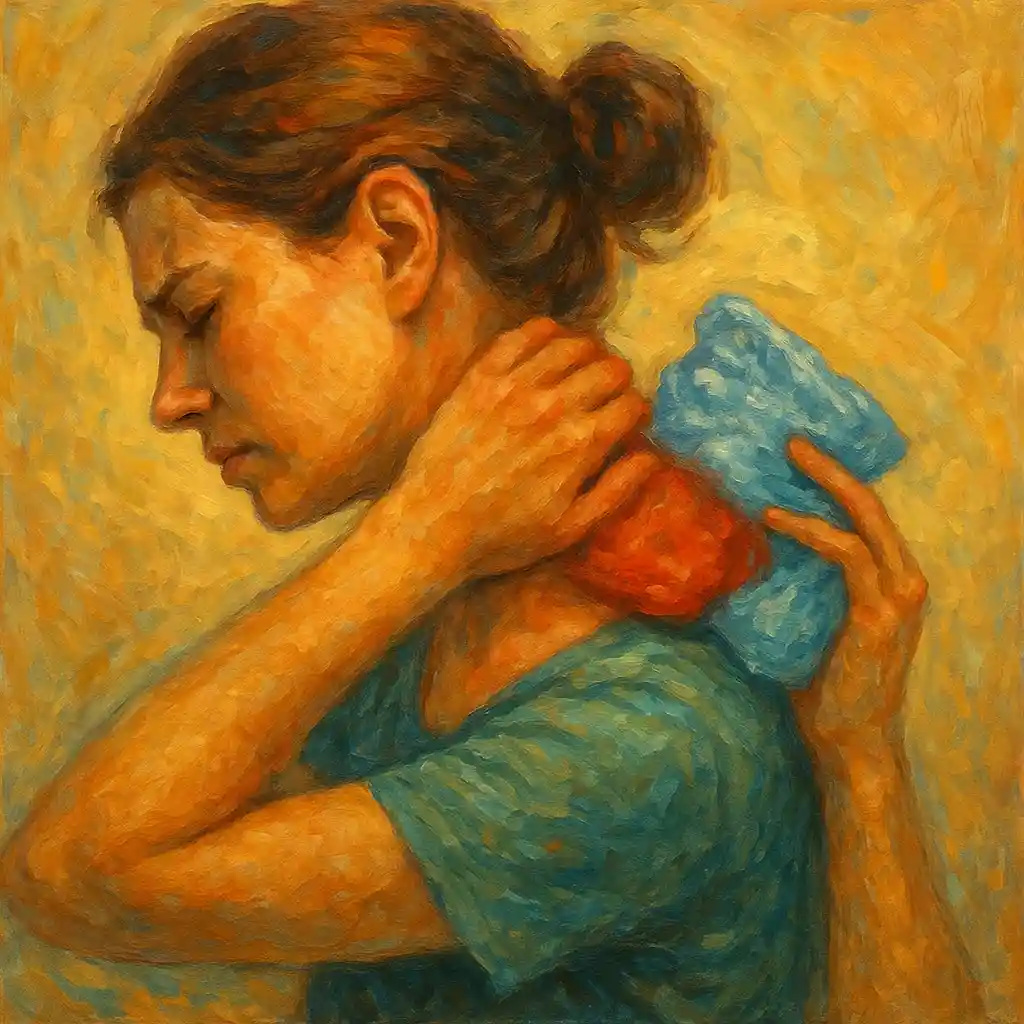
A clear, senior-friendly guide for safer, faster comfort
Neck pain can turn normal daily life into a struggle. It can make it harder to sleep, drive, read, cook, or even look over the shoulder. For many seniors, neck pain becomes more common with age because joints and muscles change over time. The good news is that simple home care can often help.
Two of the most useful tools are heat and ice. They are low-cost, easy to use, and widely available. Still, many people use them at the wrong time, for the wrong reason, or for too long. This guide explains Relieve Neck Pain: When to Use Heat and Ice in a clear and practical way, with step-by-step tips, safety notes, and extra ideas for long-term relief.
Medical note This article shares general education, not personal medical advice. Neck pain can have many causes. If symptoms are severe, unusual, or not improving, professional care is important.
Why neck pain is common in seniors
Neck pain often comes from more than one factor. With age, the neck can become more sensitive to strain. Common causes include:
- Muscle tension and tightness from stress, guarding, or long periods in one position
- Arthritis and joint wear in the cervical spine
- Poor posture such as a forward head position while reading, using a phone, or watching TV
- Degeneration of discs which can reduce cushioning between bones
- Minor strains from lifting, gardening, housework, or sleeping in an awkward position
- Old injuries that never fully settled
Sometimes neck pain can also be linked to nerve irritation. That may cause symptoms that move beyond the neck.
Symptoms that deserve attention
Many episodes of neck pain are mild and improve in days to weeks. Still, it helps to watch for signs that suggest a more serious problem.
Get medical care as soon as possible if neck pain comes with
- Weakness in an arm or leg
- Numbness, tingling, or a “pins and needles” feeling that spreads into the hand
- Trouble with balance or walking
- Fever, chills, or unexplained illness
- Severe headache with neck stiffness
- Pain after a fall, car accident, or blow to the head or neck
- Loss of bladder or bowel control
- Unexplained weight loss or pain that is worse at night and does not ease with rest
These symptoms do not always mean something dangerous, but they need professional evaluation.
The simple rule for heat vs ice
Heat and ice both help pain, but they help in different ways.
Use ice when inflammation is likely
Ice is best for:
- New pain after strain or overuse
- Swelling, warmth, or redness
- Sharp pain that feels hot or irritated
- The first 24 to 48 hours after a new injury
Use heat when stiffness and tight muscles are the main problem
Heat is best for:
- Tight, tense muscles
- Stiffness and limited movement
- Long-term or recurring neck pain
- Aching pain that improves with gentle movement
If pain feels both tight and irritated, alternating heat and ice can work well.
How heat therapy helps neck pain
Heat increases blood flow to the area. It helps muscles relax. It can reduce stiffness and improve movement. Heat can also feel calming, which matters because pain often increases when the body is tense.
When heat helps the most
Heat is usually most helpful when:
- The neck feels stiff, tight, or “locked”
- Pain is worse after sitting still
- Pain is linked to arthritis or long-term tension
- Movement feels limited and muscles feel hard or sore
Best heat options for seniors
These are practical, common choices:
- Heating pad
- Choose one with several settings
- Use low or medium heat
- Consider auto shut-off for safety
- Warm shower
- Let warm water run over the neck and upper back
- Useful in the morning for stiffness
- Warm, moist towel
- Wet a towel with warm water and wring it out
- Moist heat often feels deeper than dry heat
- Microwavable heat pack
- Follow instructions carefully to avoid burns
- Check temperature with the hand before placing on the neck
How long to use heat
A safe, common plan is:
- 15 to 20 minutes per session
- Up to 2 to 3 times per day
For chronic stiffness, some people do well with a longer session, up to 30 minutes, as long as the heat is gentle and skin stays safe. Avoid falling asleep with a heating pad.
Heat safety tips
Heat is simple, but safety matters, especially for seniors.
- Keep a thin cloth layer between heat and skin
- Avoid high settings that can burn skin
- Do not use heat on an area that is swollen, hot, or clearly inflamed
- Use extra care with diabetes, poor circulation, thin skin, or reduced sensation
- Stop if skin becomes very red, painful, or blistered
How ice therapy helps neck pain
Ice reduces blood flow for a short time. This can help lower inflammation and swelling. Ice also numbs the area, which can reduce pain signals.
When ice helps the most
Ice is usually most helpful when:
- Pain started recently
- The area feels warm, swollen, or inflamed
- Pain follows an activity that strained the neck
- Symptoms flare suddenly and sharply
Best ice options for seniors
Simple works well:
- Gel ice pack
- Stays cold evenly
- Fits well around the neck if flexible
- Ice cubes in a bag
- Wrap in a towel
- Useful for a quick session
- Frozen vegetables
- A bag of peas or corn molds nicely
- Use a towel barrier
- Ice massage
- Freeze water in a paper cup
- Peel back the top edge
- Rub gently in small circles for 5 to 10 minutes
- Stop if skin goes numb or very uncomfortable
How long to use ice
A safe, common plan is:
- 10 to 15 minutes per session
- Every 2 to 3 hours during the first day or two after strain
For some seniors, shorter sessions feel better. Too much ice can irritate skin or increase stiffness.
Ice safety tips
- Always use a cloth barrier, never apply ice directly to skin
- Avoid icing longer than 15 to 20 minutes
- Stop if skin turns white, very pale, or painful
- Use extra care with poor circulation or reduced sensation
Alternating heat and ice for better relief
Some neck pain has both tight muscles and inflammation. In this case, alternating can be useful.
Why alternating can work
- Heat relaxes muscles and improves movement
- Ice calms irritation and reduces swelling
- Switching can reduce pain while keeping the neck flexible
A simple alternating routine
- Heat for 15 to 20 minutes
- Rest for 10 minutes
- Ice for 10 to 15 minutes
- Rest again
- Repeat once more if helpful
This routine fits well after activity or at the end of the day.
When alternating is not ideal
Avoid alternating if:
- One method clearly makes pain worse
- Skin is fragile or reacts strongly
- There is significant numbness or nerve symptoms down the arm
Quick “choose your therapy” examples
This section gives clear match-ups between common situations and the best first step.
Morning stiffness or pain after sleep
Most likely issue: muscle stiffness and joint tightness Best start: heat
- Warm shower or heating pad for 15 to 20 minutes
- Follow with gentle movement
Pain after gardening, lifting, or long chores
Most likely issue: mild strain and irritation Best start: ice for the first day
- Ice 10 to 15 minutes
- Switch to heat later if stiffness becomes the main issue
Ongoing neck tension from stress or posture
Most likely issue: chronic muscle tension Best start: heat
- Heat plus stretching and posture changes
A sudden flare with warmth or swelling
Most likely issue: inflammation Best start: ice
- Ice early, then reassess in 24 to 48 hours
A simple 7-day home plan for common neck pain
This plan fits many mild to moderate cases. Adjust based on comfort and health conditions.
Days 1 to 2
Goal: calm irritation
- Use ice 10 to 15 minutes, 3 to 5 times per day
- Keep movements gentle and short
- Avoid heavy lifting and long bending over tasks
If there is no sign of inflammation and stiffness is the main problem, use heat instead.
Days 3 to 5
Goal: restore movement
- Use heat 15 to 20 minutes before light stretching
- Use ice after activity if the neck feels irritated
- Add short walks and frequent posture breaks
Days 6 to 7
Goal: build routine and prevent return
- Heat as needed for stiffness
- Gentle strengthening and daily posture habits
- Review sleeping position and work setup
If pain is not improving by the end of a week, or if it is worsening, professional guidance is a good next step.
Gentle exercises and stretches for seniors
Movement helps many types of neck pain. Exercises should be slow and mild. Pain should not spike sharply.
Basic rules
- Move within a comfortable range
- Stop if pain shoots down the arm or causes dizziness
- Breathe normally, avoid holding breath
- Do exercises after heat or a warm shower for easier movement
Simple neck movements
Do 1 to 2 times per day.
- Chin tuck
- Sit tall
- Pull the chin straight back, making a “double chin”
- Hold 3 seconds, relax
- Repeat 8 to 10 times
- Helps posture and deep neck muscles
- Neck rotation
- Turn head slowly to the right
- Hold 3 seconds
- Return to center
- Turn left
- Repeat 5 to 8 times each side
- Side bend stretch
- Tilt ear toward shoulder gently
- Keep shoulders down
- Hold 10 to 20 seconds
- Repeat 2 times each side
- Shoulder blade squeeze
- Sit or stand tall
- Squeeze shoulder blades back and down
- Hold 5 seconds
- Repeat 10 times
- Helps upper back support, reduces neck load
If pain is severe or long-lasting, a physical therapist can choose exercises that match the exact cause.
Posture and ergonomics that reduce neck strain
Many seniors feel neck pain because the neck works too hard all day. Small setup changes can lower strain.
Easy posture habits
- Keep ears in line with shoulders
- Relax shoulders down, avoid shrugging
- Keep reading material higher, not in the lap
- Take posture breaks every 30 to 45 minutes
TV and reading setup
- Raise screens to eye level when possible
- Use a pillow or book stand to lift reading material
- Avoid bending the neck forward for long periods
Phone and tablet habits
- Hold the screen higher
- Use voice-to-text sometimes
- Rest elbows on a pillow or armrest for support
Kitchen and housework tips
- Keep frequently used items at waist to chest level
- Avoid long periods with the head down, such as chopping without breaks
- Use short “reset” breaks with shoulder rolls and posture checks
Sleep support for a calmer neck
Sleep position can improve or worsen neck pain.
Helpful sleep tips
- Use a pillow that supports the neck, not just the head
- Avoid very high pillows that bend the neck forward
- Side sleeping often works well with a pillow that fills the space between ear and shoulder
- Back sleeping can work with a thinner pillow and a small neck roll
- Stomach sleeping often twists the neck and can increase pain
If a new pillow makes pain worse, return to the previous pillow and change more slowly.
Stress reduction to reduce neck tension
Stress often shows up as tight shoulders and a tense neck. Reducing tension can lower pain.
Simple stress tools
- Slow breathing for 2 to 3 minutes, especially before sleep
- Gentle shoulder rolls during the day
- Warm shower in the evening
- Light walking and sunlight when possible
- Relaxation audio, calm music, or guided imagery
Stress care does not remove structural problems, but it can lower muscle guarding and pain intensity.
Over-the-counter options that may help
Some seniors use non-prescription products along with heat and ice. Safety matters because medications can interact with existing health issues.
Topical products
- Menthol creams or gels
- Capsaicin creams
- Anti-inflammatory gels in regions where available
Tips:
- Wash hands after use
- Avoid eyes and broken skin
- Do not use under a heating pad unless the product label says it is safe
Oral pain relief
Common options include acetaminophen and nonsteroidal anti-inflammatory drugs. These can help, but they can also carry risks for seniors, especially with kidney disease, stomach ulcers, blood thinners, liver disease, or high blood pressure. Following label instructions and checking with a pharmacist or clinician is important.
Professional treatments for stronger or lasting neck pain
Home care is helpful, but some cases need skilled support.
Physical therapy
Often one of the best choices for seniors because it:
- Improves mobility
- Builds strength safely
- Trains posture and daily movement patterns
- Reduces repeat flare-ups
Massage therapy
Massage can reduce muscle tension and help relaxation. It works best when combined with posture changes and gentle exercise.
Chiropractic care
Some people find relief from spinal manipulation. Seniors should seek a licensed provider and discuss osteoporosis, fracture risk, and other medical conditions first.
Acupuncture
Acupuncture can help some people manage pain and muscle tension, especially when stress plays a role.
Medical evaluation and imaging
A clinician may suggest imaging or specialist care if symptoms suggest nerve compression, fracture risk, or other conditions.
Precautions and contraindications for seniors
Heat and ice are simple, but seniors may have extra risks.
Use extra caution if any of these apply
- Diabetes with reduced sensation in feet or hands
- Neuropathy or nerve damage
- Poor circulation
- Very thin or fragile skin
- Cognitive impairment that makes timing difficult
- History of frostbite or burns
- Recent surgery in the area
Helpful safety habits:
- Set a timer every session
- Use a cloth barrier every time
- Check skin after treatment
- Use mild temperatures rather than extremes
When home care is not enough
Professional care becomes more important when:
- Pain lasts more than 1 to 2 weeks with little improvement
- Pain keeps returning often
- Pain limits normal life or sleep strongly
- Arm symptoms appear such as tingling, numbness, or weakness
- Headaches become frequent with neck pain
- There was a fall or accident, even if symptoms seem mild
Early support can prevent longer problems and reduce the chance of chronic pain.
Key takeaways to remember
Relieve Neck Pain: When to Use Heat and Ice becomes much easier with a few clear rules.
- Ice is best for new pain, swelling, warmth, and inflammation
- 10 to 15 minutes
- Every 2 to 3 hours early on
- Always use a towel barrier
- Heat is best for stiffness, tight muscles, and chronic aching
- 15 to 20 minutes
- Up to 2 to 3 times per day
- Avoid high heat and sleeping with heat on
- Alternating heat and ice can help when pain has both tightness and irritation
- Heat first, then ice
- Keep sessions moderate and timed
- Long-term improvement often needs posture habits, gentle exercise, and better daily ergonomics
Neck pain can be frustrating, but simple, steady care often brings meaningful relief. Heat and ice are small tools with big value when used at the right time, in the right way, and with good safety habits.