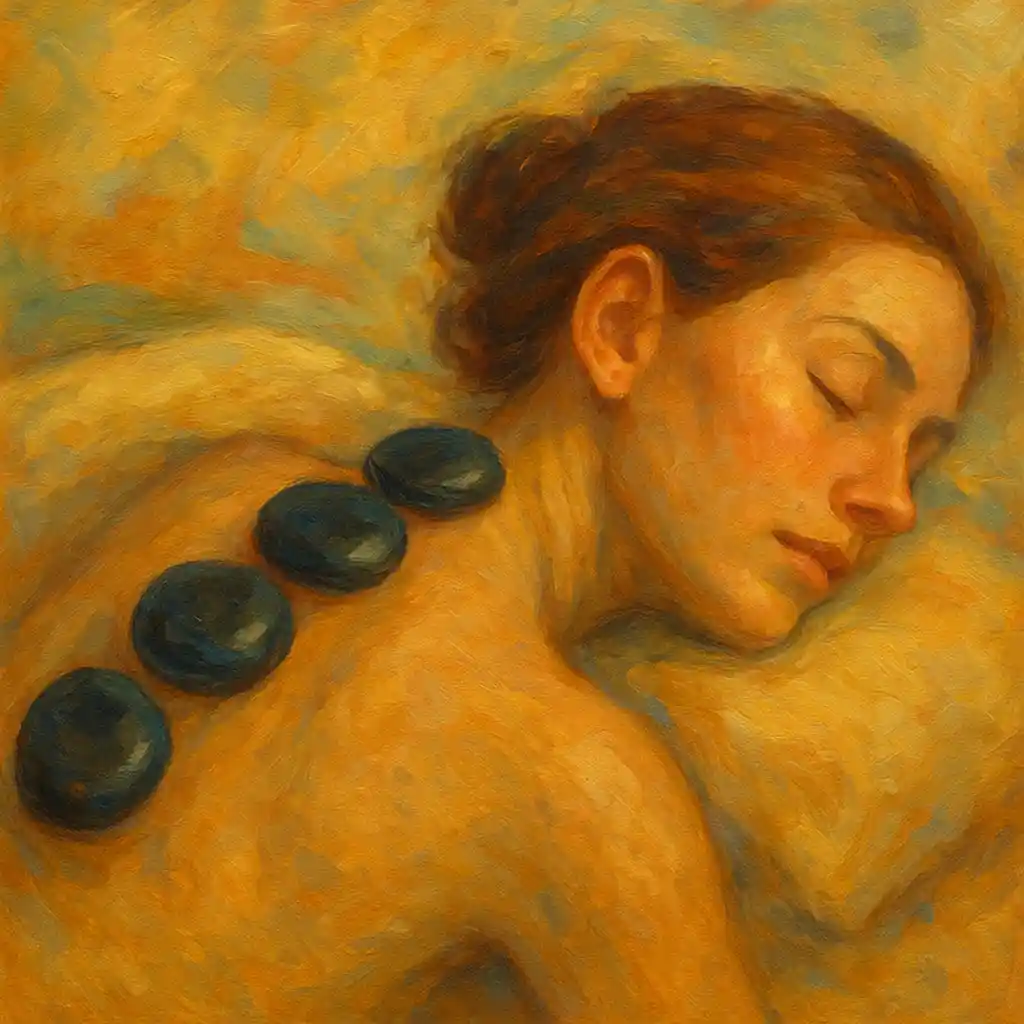
Neck pain can turn simple daily moments into uncomfortable ones. Sitting at a desk, looking down at a phone, driving, reading, or even sleeping can become harder when the neck feels tight and stiff. Many people also notice that neck tension is not only physical. Stress, worry, and strong emotions often show up in the body, and the neck and shoulders are common places where that tension “parks” itself.
Alongside good posture, movement, and medical care when needed, some people like to add supportive, calming methods to their routine. One popular option is working with stones for neck pain, including smooth massage stones and crystal-style “healing stones.” These stones are used in simple ways: with warmth, gentle pressure, mindful breathing, and relaxing rituals. The goal is to help the body soften, encourage rest, and create a stronger mind–body connection.
This blog post is a practical, easy-to-follow guide. It explains why neck tension happens, which stones people commonly use, how to prepare them, how to apply them safely, and how to combine stone care with other helpful habits for long-term relief.
1) Why the Neck Holds So Much Tension
The neck is a busy area. It supports the head, helps with balance, and allows many small movements all day long. The neck also reacts quickly to stress.
Common physical causes of neck tension
- Long screen time and “forward head posture”
- Sitting without back support
- Looking down for long periods (phone, books, crafts)
- Sleeping with a pillow that is too high or too flat
- Tight chest muscles and weak upper back muscles
- Not moving enough during the day
- Overuse, strain, or an awkward lift
How stress can show up in the neck
When the mind feels under pressure, the body often tightens without noticing. Many people raise their shoulders, clench the jaw, or hold their breath when stressed. Over time, this can create:
- Tight trapezius muscles (top of the shoulders)
- Tension at the base of the skull
- Reduced mobility when turning the head
- Headaches linked to neck tightness
This is where a mind–body approach can help. Stones are often used as a tool for calming touch, warmth, and focused attention.
2) How Stones for Neck Pain May Help (Simple, Practical View)
Stones are not magic. Their benefits usually come from how they are used: temperature, pressure, touch, and attention.
Potential benefits of using stones for neck pain relief
- Relaxation through warmth: Warm stones can help muscles loosen and feel less guarded.
- Gentle self-massage: Smooth stones glide over tight areas and can help release knots.
- Comforting weight: A stone placed on the neck can feel grounding and calming.
- Mindful focus: Using stones can become a short daily ritual that reduces stress.
- Better body awareness: Slow stone massage helps notice where tension lives, so posture and habits can improve.
Some people also connect stones with “energy” and emotional balance. If that belief feels supportive, it can add meaning and calm to the routine. Even without spiritual beliefs, the physical side—heat, touch, and rest—can still be helpful.
3) Choosing the Right Stones for Neck Pain
The best stone depends on how it will be used. There are two main categories:
- Massage stones (often basalt or smooth river stones): best for heat and muscle relaxation
- Crystal-style stones (amethyst, rose quartz, turquoise, lapis lazuli, etc.): often used for calming rituals, meditation, or gentle pressure
A smooth surface matters most. The stone should feel safe and comfortable on the skin.
Recommended stones for neck pain (common choices)
Basalt (hot stone massage stone)
- Why people like it: Holds heat well and is widely used in hot stone massage.
- Best for: Warm compress style, relaxing tight muscles, pre-sleep calming routine.
Amethyst
- Why people like it: Often linked with calm, rest, and stress reduction.
- Best for: Evening relaxation, meditation, calming a “busy mind” that tightens the neck.
Blue lace agate
- Why people like it: Often linked with gentle calm and softer communication.
- Best for: Soothing routines, especially when stress is connected to speaking, worry, or overthinking.
Lapis lazuli
- Why people like it: Often linked with clarity, self-expression, and inner truth.
- Best for: Mindful pauses during the day, stress relief rituals, desk breaks.
Turquoise
- Why people like it: Often linked with protection, soothing, and balance.
- Best for: Wearing as jewelry near the neck, calming routines, emotional support.
Rose quartz
- Why people like it: Often linked with self-kindness and emotional comfort.
- Best for: Gentle self-care when tension feels connected to emotional strain.
Jade (cooling stone)
- Why people like it: Often used for cooling and soothing.
- Best for: Puffiness, heat discomfort, or when a cool touch feels better than warmth.
What to avoid
- Stones with sharp edges, cracks, or rough points (risk of scratches)
- Very heavy stones that strain the neck
- Porous stones that absorb oils easily and are hard to clean
- Unknown stones that may contain unsafe minerals or coatings
4) Preparing Stones for Neck Pain Use: Cleaning, “Cleansing,” and Charging
Preparation has two sides:
- Hygiene cleaning (important for everyone)
- Energetic cleansing/charging (optional, based on personal belief)
Step 1: Clean the stone (hygiene)
- Wash with mild soap and warm water.
- Rinse well.
- Dry fully with a clean towel.
If the stone will touch irritated skin, extra care is important. For shared stones, stricter cleaning is recommended.
Step 2 (optional): Energetic cleansing methods
Some people like to “reset” stones after use, especially if they use them for stress support.
Common gentle methods:
- Moonlight: Place near a window overnight.
- Sunlight (short time): Place in sunlight for 30–60 minutes. Some stones can fade in strong sun, so keep it short.
- Dry salt bowl (careful): Place the stone in a bowl of dry salt for a few hours, then wipe clean. Avoid this for stones that can scratch or react.
- Sound: A bell or singing bowl nearby for a calm reset.
No single method is “correct.” The main goal is to create a calm, consistent ritual.
5) Safety Rules for Stones for Neck Pain
Neck care should be gentle. Strong pressure can make symptoms worse, especially if nerves are involved.
Key safety tips
- Avoid pressure on the front of the neck (throat area).
- Stay away from the spine bones. Work on the muscles beside the spine, not directly on bone.
- Keep pressure light to medium. Pain is a stop sign, not a goal.
- Heat safety: Warm stones should feel pleasantly warm, not hot.
- Use a cloth barrier if skin is sensitive.
- Stop immediately if symptoms increase, or if there is tingling, numbness, dizziness, or sharp pain.
When professional advice is important
- Pain after a fall or accident
- Pain with numbness, weakness, or shooting sensations into the arm
- Strong headaches with neck stiffness
- Fever, unexplained weight loss, or other unusual symptoms
- Neck pain that does not improve with gentle care
6) Technique 1: Warm Stone Neck Release (Simple Daily Method)
Warmth is one of the easiest ways to calm tight muscles. This method works well in the evening or after long sitting.
What you need
- 1–2 smooth stones (basalt or any smooth stone)
- Warm water in a bowl, or a heating pad
- Towel
Step-by-step
- Warm the stone safely. Place the stone in warm water for a few minutes. It should feel warm, not hot. Test on the inner wrist.
- Lie down or sit with support. Support the upper back and let shoulders drop.
- Place the stone at the base of the skull or on the upper shoulder muscle. A good spot is where the neck meets the shoulders, on the muscle, not the bone.
- Breathe slowly for 3–8 minutes. Slow breathing helps the nervous system relax. Keep the jaw loose.
- Remove the stone and drink water. Hydration supports muscles and recovery.
Helpful variation
- Place one warm stone on each shoulder (trapezius muscles) while lying down. This can feel steady and grounding.
7) Technique 2: Cool Stone Soothe (When Cooling Feels Better)
Cooling can feel good if the neck feels “hot,” irritated, or overworked after activity.
What you need
- A smooth stone like jade, or any small polished stone
- A clean cloth
- A fridge (not the freezer)
Step-by-step
- Place the stone in the fridge for 20–30 minutes.
- Wrap it in a thin cloth.
- Rest it on the sore area for 2–5 minutes.
- Remove it and let the skin return to normal temperature.
Cooling should never cause numbness or pain. Short, gentle use works best.
8) Technique 3: Stone Self-Massage for Neck and Shoulders
A smooth stone can act like a simple massage tool. This works well during breaks or after a warm shower.
What you need
- A smooth stone that fits in your hand (oval or round)
- Optional: a small amount of massage oil or lotion (so the stone glides)
Step-by-step (5–10 minutes)
- Apply a small amount of oil/lotion to the neck and shoulder area.
- Hold the stone flat against the skin.
- Use slow strokes from the shoulder up toward the neck, then back down.
- Make small circles on tight spots on the top of the shoulders.
- Keep pressure gentle. Let the stone do the work.
- End with a few long, slow strokes and relaxed breathing.
Areas to focus on
- Top of shoulders (trapezius)
- Side of the neck (sternocleidomastoid area, gently)
- Upper back near shoulder blades (often linked to neck strain)
Areas to avoid
- Front of throat
- Direct pressure on the spine bones
- Any spot that causes sharp pain
9) Technique 4: A Mind–Body Stone Pause (2–3 Minutes at a Desk)
Neck tension often builds during busy days. A short pause can reduce the stress signal that tightens the muscles.
Simple routine
- Hold a small stone (amethyst, rose quartz, blue lace agate, or any smooth stone).
- Rest elbows on a desk or on armrests.
- Drop shoulders down and back.
- Take 5 slow breaths:
- Inhale through the nose for 4
- Exhale through the mouth for 6
- Place the stone down and gently turn the head left and right (small range).
This is small, but consistency matters. Frequent micro-breaks reduce the “tension load” over time.
10) Combining Stones for Neck Pain With Other Relaxation Tools
Stones work best when they are part of a larger routine.
A) Add aromatherapy (optional)
If scents feel pleasant, add:
- Lavender for calm
- Eucalyptus for a fresh, open feeling
- Peppermint (use carefully; can feel strong on skin)
Safety note: Essential oils should be diluted properly if used on skin, and avoided if sensitive, pregnant, or advised by a healthcare professional.
B) Add meditation (simple version)
- Place a warm stone on the shoulder muscle.
- Close eyes for 3 minutes.
- Focus on the sensation of warmth and the breath.
- Let shoulders feel heavy and soft.
The goal is not perfect meditation. The goal is a calmer nervous system, which supports muscle relaxation.
11) Stretching Exercises That Match Stone Therapy
Stretching after warmth often feels easier. Keep stretches gentle and slow.
Gentle neck stretch routine (3–5 minutes)
Do each stretch with easy breathing. Stop if pain increases.
- Side tilt stretch
- Sit tall.
- Gently tilt right ear toward right shoulder (do not lift shoulder).
- Hold 10–20 seconds.
- Switch sides.
- Chin tuck (posture reset)
- Look straight ahead.
- Glide chin slightly back (like making a “double chin”).
- Hold 3 seconds, repeat 8–10 times.
- Shoulder rolls
- Roll shoulders up, back, and down slowly.
- Repeat 8–10 times.
- Chest opening (helps forward head posture)
- Clasp hands behind the back (or hold a towel).
- Gently open the chest.
- Hold 10–20 seconds.
Pairing stone warmth + gentle stretching can help the neck feel freer, especially after sitting.
12) Ergonomic Tips to Prevent Neck Pain (High Added Value, Low Effort)
Stones for neck pain can support relief, but prevention often comes from daily setup.
Screen and desk setup
- Top of the screen closer to eye level
- Chair supports the lower back
- Feet flat on the floor (or on a footrest)
- Elbows near the body, shoulders relaxed
- Keyboard and mouse close enough to avoid reaching
Phone habits
- Lift the phone up instead of bending the neck down
- Use voice-to-text for long messages
- Take short breaks from scrolling
Sleep support
- Pillow keeps the neck neutral (not bent up or down)
- Side sleepers: pillow fills the space between shoulder and head
- Back sleepers: avoid pillows that push the head forward
Small changes reduce the amount of tension that returns each day.
13) Building a Consistent Routine for Long-Term Relief
Neck tension rarely improves from one single method. Improvement usually comes from steady habits. A short daily plan can be enough.
A simple weekly plan
Daily (5–10 minutes)
- Warm stone on shoulders or base of skull: 5 minutes
- Gentle stretching: 3–5 minutes
During work or daytime (1–2 minutes, 2–4 times)
- Stone pause + slow breaths
- Quick chin tucks and shoulder rolls
2–3 times per week
- Stone self-massage with oil (5–10 minutes)
Consistency matters more than intensity. Gentle care done often tends to support better results than strong care done rarely.
14) Real-Life Style Examples (What People Commonly Notice)
People who add stones for neck pain into a steady self-care routine often report changes like:
- Feeling calmer in the evening
- Less “locked” feeling in shoulders after work
- Better awareness of posture during the day
- A stronger sense of comfort and self-kindness
- More motivation to stretch and take breaks
These results vary from person to person. The biggest value usually comes from combining stones with warmth, safe touch, good ergonomics, and regular movement.
15) Frequently Made Mistakes (And Easy Fixes)
Mistake 1: Using stones only when pain is severe
Fix: Use them earlier, as prevention. Short daily use can reduce build-up.
Mistake 2: Using too much pressure
Fix: Use gentle pressure and slow movements. Relaxation works better than force.
Mistake 3: Ignoring posture while using stones
Fix: Combine stone work with a posture reset (chin tuck, shoulders down and back).
Mistake 4: Overheating stones
Fix: Warm is enough. Always test temperature on the wrist first.
Mistake 5: Treating stones as the only solution
Fix: Add movement breaks, stretches, sleep support, and medical advice when needed.
Conclusion: Stones for Neck Pain as a Calm, Supportive Ritual
Stones for neck pain can be a simple, gentle addition to daily life. Used safely, they support relaxation through warmth, soothing touch, and mindful attention. They also create a helpful routine—one that encourages breathing, slowing down, and noticing what the body needs.
The strongest approach is balanced and realistic:
- Use smooth stones with safe temperature and gentle pressure
- Combine stone therapy with stretching, posture support, and regular breaks
- Keep routines short and consistent
- Seek professional guidance when symptoms are serious or persistent
Over time, these small steps can help the neck feel less tense and the whole body feel more at ease. A calm neck often reflects a calmer nervous system, and that supports better days, better rest, and a more connected mind–body–spirit experience.
Quick “Start Today” Checklist (Simple and Safe)
- Choose one smooth stone that fits your hand
- Clean it with mild soap and water
- Warm it gently (not hot)
- Place on shoulder muscles for 5 minutes while breathing slowly
- Finish with shoulder rolls and a short chin tuck set
This short routine is enough to begin building a steady habit with stones for neck pain—one calm minute at a time.