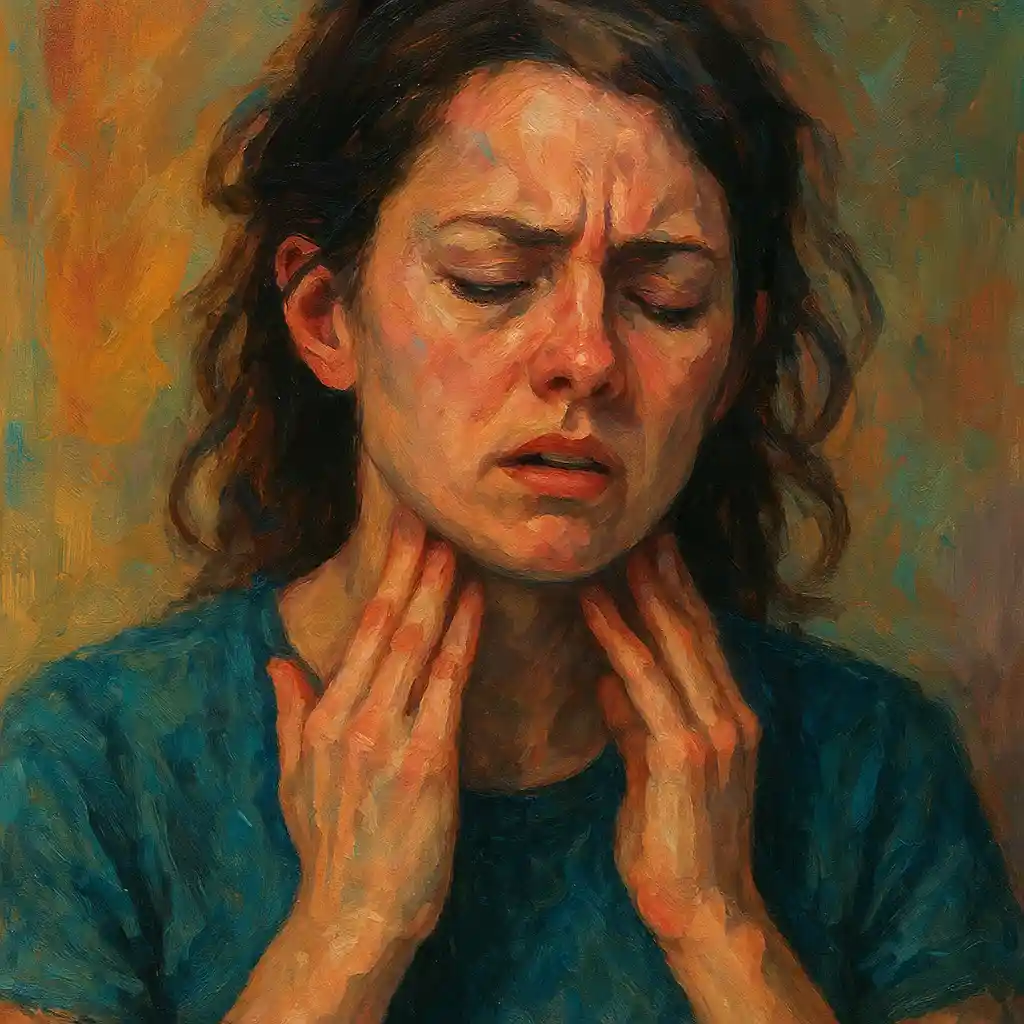
If you are dealing with tight neck muscles, a clenched jaw, or soreness that seems to show up when you feel worried, you are not alone. Many older adults experience this kind of discomfort, especially when stress or anxiety is part of daily life. The good news is that 4-7-8 breathing for anxiety-related neck and jaw tension is a simple, gentle technique you can learn at home. It does not require special equipment, and it only takes a few minutes.
When anxiety shows up in the body, slow breathing can help you switch from “stress mode” to “relaxation mode.”
In this guide, you will learn what anxiety-related neck and jaw tension can feel like, why it happens, and how to practice the 4-7-8 breathing pattern step by step. You will also get practical tips made for seniors, safety notes, and ideas for building a calming routine that supports long-term relief.
Why anxiety-related neck and jaw tension is common in seniors
Stress does not only live in the mind. It often shows up in the body, and two of the most common places are the neck and jaw. You may notice:
- Stiffness or aching in the neck and shoulders
- A tight jaw or clenching (sometimes without noticing)
- Soreness near the ears or along the jawline
- Head feeling “heavy” or hard to turn comfortably
- Tension that feels worse at night or after a stressful day
For seniors, this can feel even more noticeable because the body may already be dealing with age-related stiffness, posture changes, or other discomforts. Anxiety can add another layer, making muscles tighten and stay tight for longer than they should.
Common causes of neck and jaw tension in seniors
Neck and jaw tension can have different causes, and sometimes more than one is happening at the same time. In the draft, several common factors were mentioned:
- Stress and anxiety that trigger muscle tightening
- Age-related muscle stiffness that makes tension easier to feel
- Poor posture (for example, sitting for long periods)
- Dental problems that may affect the jaw
If your tension is frequent or severe, it is important to speak with a healthcare professional so you can understand what is driving it.
How anxiety creates physical tension in the neck and jaw
When you feel anxious, your body can enter a “fight or flight” state. In simple terms, your nervous system prepares you for danger—even if the danger is only a worry in your mind. For many people, this leads to:
- Raised shoulders
- A tight throat or chest
- Jaw clenching
- Neck muscles staying “on” instead of relaxing
This is why you might wake up at night with tightness, or notice your jaw is clenched while watching the news, paying bills, or thinking about family concerns.
Why it helps to address both anxiety and muscle tension
It can be frustrating to treat only the pain without addressing the stress behind it. Likewise, it can be hard to calm the mind if the body still feels tense. That is why 4-7-8 breathing for anxiety-related neck and jaw tension can be so useful. It supports both sides at the same time: it helps calm the nervous system and encourages the muscles to let go.
What is 4-7-8 breathing for anxiety-related neck and jaw tension?
The 4-7-8 breathing technique is a structured breathing pattern:
- Inhale for 4 seconds (through the nose)
- Hold for 7 seconds
- Exhale for 8 seconds (through the mouth)
This pattern slows your breathing and makes the exhale longer than the inhale. Many people find that a longer exhale helps the body relax more deeply. In the draft, this technique was described as a way to activate the body’s relaxation response and calm the nervous system.
Why the numbers matter (and why you can adjust them)
The numbers give your mind something steady to focus on. When you are anxious, your thoughts can race. Counting the breath creates a simple rhythm that can feel grounding.
That said, comfort matters. If the full count feels too hard at first, you can work up to it slowly. The goal is not to “win” at breathing. The goal is to feel calmer and reduce tension safely.
How 4-7-8 breathing for anxiety-related neck and jaw tension helps your body relax
In the draft, the science was explained in a clear way: deep, slow breathing can activate the parasympathetic nervous system, sometimes called the “rest and digest” system. This helps balance the stress response and supports relaxation.
What changes during deep breathing
When you breathe deeply, your diaphragm works more fully. This can increase oxygen flow and send calming signals to the brain. Many people notice:
- A slower heart rate
- A calmer feeling in the chest
- Less “pressure” in the shoulders and neck
- A jaw that feels easier to unclench
The role of the parasympathetic nervous system
When stress is high, the body can stay stuck in a tense state. The 4-7-8 pattern can help shift the body toward relaxation. In the draft, it was also noted that the technique can stimulate the vagus nerve, which plays a role in relaxation and body regulation.
What about research studies?
The draft states that research studies support deep breathing as an effective tool for anxiety relief. While it does not list specific studies, the key point remains: slow, controlled breathing is widely used to reduce stress and calm the mind and body.
Step-by-step: how to practice 4-7-8 breathing for anxiety-related neck and jaw tension
Use this simple guide whenever you feel tension building, or as a daily practice for prevention.
1) Find a comfortable position
You can do this technique sitting or lying down. Comfort helps your body relax faster.
- If sitting: place your feet flat on the floor and let your hands rest in your lap.
- If lying down: consider placing a pillow under your knees to reduce strain on your back.
- Support your neck: a small pillow or rolled towel can help keep your neck in a neutral position.
2) Settle your shoulders, neck, and jaw
Before you start the count, do a quick body check:
- Let your shoulders drop away from your ears.
- Allow your tongue to rest gently in your mouth.
- Let your teeth separate slightly (jaw relaxed, not clenched).
In the draft’s step-by-step guide, one detail was included: placing the tip of the tongue against the roof of the mouth, right behind the front teeth. If that feels comfortable, you can try it.
3) Breathe in for 4 seconds
Inhale quietly through your nose for a count of 4. Try to breathe in a smooth way, not a rushed way. You may feel your belly rise slightly.
4) Hold for 7 seconds
Hold your breath gently for a count of 7. This should not feel like strain. Think of it as a calm pause.
5) Breathe out for 8 seconds
Exhale slowly through your mouth for a count of 8. The draft mentions an audible exhale and a “whooshing” sound. If that feels good, you can do it. A long, slow exhale is the main goal.
6) Repeat for a few minutes
Repeat the cycle 3–4 times to start, or practice for a few minutes. Many seniors find it helpful before bedtime or during stressful moments in the day.
Tip: If you feel lightheaded, stop and return to normal breathing. Slow breathing should feel calming, not uncomfortable.
Tips to make 4-7-8 breathing for anxiety-related neck and jaw tension more effective
Small changes can make the practice easier and more calming, especially if you are new to breathing exercises.
Practice mindfulness while you breathe
Mindfulness simply means paying attention to what is happening right now. While doing 4-7-8 breathing for anxiety-related neck and jaw tension, try focusing on one of these:
- The feeling of air moving in and out
- The counting rhythm
- The sensation of your jaw softening on the exhale
If your mind wanders, that is normal. Just return to the breath.
Add gentle neck and jaw stretches
The draft suggests gentle stretches as a helpful add-on. Keep them slow and comfortable:
- Neck: gently tilt your head side to side to stretch the neck muscles.
- Jaw: slowly open and close your mouth to release jaw tension.
Try doing one or two gentle movements after a few breathing cycles, when your body is already calmer.
Create a calming environment
Your surroundings can support relaxation. Consider:
- A quiet room with fewer distractions
- A comfortable chair or supportive pillows
- Soft background music if it helps you feel calm
- A warm blanket if you tend to feel cold while resting
When you pair a calm setting with 4-7-8 breathing for anxiety-related neck and jaw tension, your body may learn to relax faster over time.
Real-life success stories: seniors using 4-7-8 breathing for anxiety-related neck and jaw tension
The draft included examples of seniors who felt relief with consistent practice. While everyone’s experience is different, these stories show what can be possible.
Martha’s experience: less jaw clenching at night
Martha, a retiree, used to wake up with a clenched jaw and neck discomfort. She began practicing the 4-7-8 pattern before bed. Within a week, she noticed less tension and improved sleep comfort.
John’s experience: less neck stiffness during daily stress
John, a grandfather, often felt overwhelmed by daily stress, which showed up as neck stiffness. After adding the breathing technique to his routine, he felt more relaxed and better able to handle daily challenges with a clearer mind.
These examples highlight an important idea: consistent practice often matters more than doing it perfectly once.
Safety precautions for seniors practicing 4-7-8 breathing for anxiety-related neck and jaw tension
Breathing exercises are generally gentle, but it is still wise to be careful—especially if you have health concerns.
Talk with your healthcare provider first
The draft strongly recommends consulting a healthcare provider before starting a new relaxation technique, especially if you have respiratory conditions or other medical issues. This is a smart first step if you are unsure.
Start slow and build up
If you are new to structured breathing:
- Start with fewer cycles (even 1–2 rounds)
- Practice at a time when you are not rushed
- Increase slowly as it becomes easier
Watch for dizziness or discomfort
Stop if you feel dizzy, lightheaded, or uncomfortable. Return to normal breathing, and try again later with a gentler pace.
Know when to seek professional help
The draft also notes the importance of getting support for severe anxiety. If you are experiencing panic attacks, constant tension, or anxiety that feels unmanageable, a therapist or counselor can help you learn coping tools and build a plan that fits your needs.
Combining 4-7-8 breathing for anxiety-related neck and jaw tension with other relaxation tools
Sometimes one technique is helpful, but a combination is even better. The draft suggests a few options you can pair with breathing for deeper relaxation.
Progressive muscle relaxation (PMR)
Progressive muscle relaxation involves tensing and relaxing muscle groups in order, often starting at the feet and moving upward. When paired with breathing, it can help you notice where you hold tension and release it more clearly—especially in the shoulders, neck, and jaw.
Guided imagery or meditation
Guided imagery uses calming mental pictures, like a peaceful beach or garden. Meditation helps you stay present. Both can support relaxation and reduce stress. You can try a short session after your breathing cycles, when your body already feels calmer.
Create a simple personalized routine
A routine does not need to be long to be effective. Here is one easy example:
- Sit comfortably and relax your shoulders (30 seconds).
- Do 3–4 cycles of 4-7-8 breathing.
- Gently stretch the neck side to side.
- Slow jaw open-and-close movements.
- End with one normal, slow breath and notice how you feel.
This kind of routine can make 4-7-8 breathing for anxiety-related neck and jaw tension feel like a natural part of your day.
Common misconceptions about breathing techniques (and how to move past them)
Many people avoid breathing exercises because of simple misunderstandings. The draft addressed several common ones.
“It’s too complicated.”
It is normal to feel unsure at first. But the steps are simple: inhale 4, hold 7, exhale 8. With practice, it becomes easier.
“I don’t have time.”
You only need a few minutes. You can practice in bed, in a chair, or while waiting for an appointment (as long as you feel safe and steady).
“It won’t work for me.”
Every person is different, but many seniors report feeling calmer and less tense with consistent practice. Try it for a short time each day and see how your body responds.
“I keep forgetting.”
Link it to a daily habit like brushing your teeth, getting into bed, or sitting down with morning tea. Simple reminders can help it become routine.
Integrating 4-7-8 breathing for anxiety-related neck and jaw tension into daily life
The biggest benefits often come when you use the technique regularly, not only in moments of high stress.
Set aside a dedicated time each day
Choose a time that is realistic. Many seniors prefer:
- Morning: to start the day with a calmer body
- Afternoon: as a reset during stressful hours
- Before bed: to unwind and support better sleep comfort
Use it as a tool for daily stressors
When you notice early signs of tension—tight shoulders, jaw clenching, shallow breathing—pause and do a few rounds. 4-7-8 breathing for anxiety-related neck and jaw tension works best when used early, before the body becomes fully tense.
Track progress and notice small changes
The draft suggests tracking improvements over time. You can keep it simple by writing down:
- When you practiced (morning, afternoon, night)
- Your neck/jaw tension level before and after (for example, 1–10)
- Any notes about sleep or stress that day
Small improvements matter. Over time, you may notice you recover faster from stress, clench less often, or feel less stiffness when you wake up.
Conclusion: a gentle daily practice that supports calm and comfort
Neck and jaw tension can be a frustrating part of anxiety, especially for seniors who want to feel comfortable and sleep well. Practicing 4-7-8 breathing for anxiety-related neck and jaw tension gives you a simple way to calm your nervous system and encourage your muscles to relax. Start slowly, stay consistent, and listen to your body.
If you found this helpful, take a moment to explore more relaxation and self-care guides on our site and build a routine that supports your comfort every day.