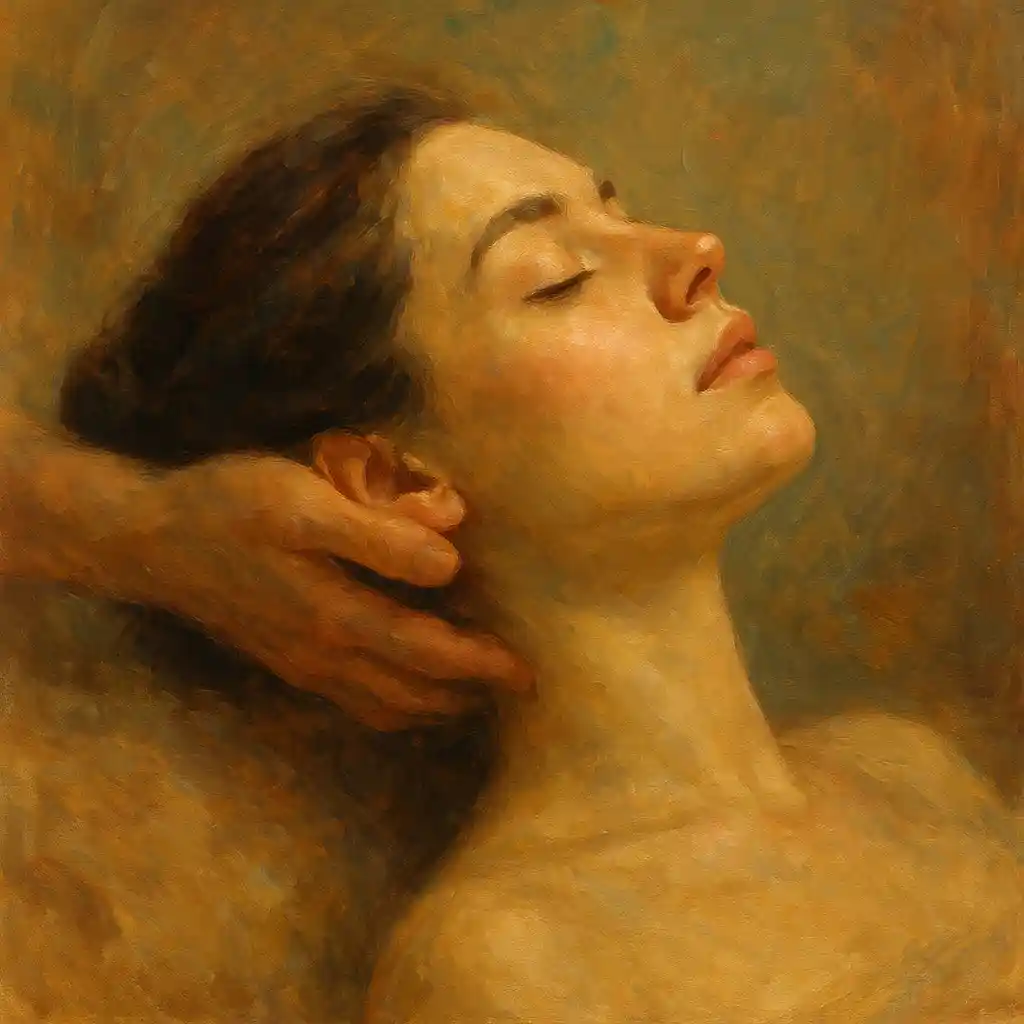
Suboccipital serenity is a simple, gentle way to support neck comfort—especially for seniors who wake up stiff, sore, or limited when turning the head. If you live with neck discomfort, you probably know the feeling: you look down to read, turn your head to check a blind spot, or glance up at a shelf, and a sharp twinge makes you stop. The good news is that small, careful steps—focused on the muscles at the base of the skull—can help reduce tension, improve movement, and bring more ease to daily life.
Key idea: When the small muscles at the base of the skull are tight, the neck often feels stiff, sore, and “stuck.” Supporting this area can help the whole neck feel calmer.
In this post, you will learn what the suboccipital region is, why it matters for neck pain in seniors, and how to practice suboccipital serenity using gentle stretching, simple self-massage, posture habits, relaxation, and lifestyle support. Everything here is designed to be calm, practical, and easy to repeat.
Understanding Neck Pain in Seniors (and Why It Feels So Limiting)
Neck pain is common as we age, and it can affect much more than the neck. It can change how you sleep, how you drive, how you read, and how confident you feel moving around. Many seniors notice that neck discomfort also brings tension into the shoulders and upper back, making the whole upper body feel tired.
Common causes of neck pain in seniors
Neck discomfort can come from several everyday factors. Some of the most common include:
- Poor posture (for example, sitting hunched over a computer, TV, phone, or book)
- Age-related wear and tear in the joints and discs of the neck, often leading to stiffness
- Arthritis, which can cause inflammation and reduced comfortable movement
- Poor sleep position or a pillow that does not support the neck well
- Muscle tension from stress, long sitting, or holding the head in one position for too long
These causes often overlap. For example, a night of poor sleep can make posture worse the next day, which can increase muscle tension again.
How neck pain affects daily life and well-being
Neck pain may seem like a “small” problem, but it can reduce independence and enjoyment. It may make driving harder, limit hobbies like gardening, cause discomfort when watching TV, and interrupt sleep. Many people also notice that when their neck hurts, they feel more tired and less active.
This is one reason suboccipital serenity matters: it gives you a calm, focused place to start. Instead of forcing big movements, you begin with gentle care at the base of the skull.
What Is the Suboccipital Region? (The Heart of Suboccipital Serenity)
The suboccipital region is located at the base of the skull, where the head meets the top of the neck. This area contains a small group of muscles called the suboccipital muscles. They help support the head, guide small head movements, and assist with posture.
Why the suboccipital muscles matter for neck pain relief
Even though these muscles are small, they work all day. When they are tight or overworked, you may feel:
- Stiffness when turning or tilting the head
- Limited range of motion (the neck feels “blocked”)
- Headaches or a heavy feeling at the back of the head
- Tension that spreads into the shoulders and upper back
Suboccipital serenity focuses on calming this area through gentle pressure, slow stretching, and relaxation habits—without aggressive movements.
How tension in the suboccipital muscles can drive neck discomfort
When the suboccipital muscles stay tight, the neck may compensate. That can create a cycle: tightness reduces comfortable movement, reduced movement leads to more stiffness, and stiffness can increase pain. Stress can make this worse because many people unconsciously tighten the neck and shoulders when they feel worried or rushed.
Helpful reminder: The goal is not to “force” the neck to loosen. The goal is to invite relaxation—slowly and consistently.
Suboccipital Serenity for Seniors: Benefits You Can Feel in Daily Life
When practiced regularly, suboccipital serenity can support comfort and daily function. Seniors often want simple improvements: turning the head more easily, waking up less stiff, and feeling safer and steadier during normal activities.
Improved range of motion in the neck
Gentle stretching and relaxation can help the neck move more freely. This can support everyday tasks like checking your blind spot while driving, looking down to read, or turning your head during conversation.
Reduced headaches and migraines linked to neck tension
Some headaches can be connected to muscle tension near the base of the skull. By using suboccipital serenity techniques like light massage and calming breathing, many people notice less tension building in that area.
Enhanced posture and overall comfort
Posture is not about being “perfect.” It is about reducing strain. When the head is better aligned with the spine, the neck muscles do not need to work as hard. Over time, small posture habits can reduce daily irritation and support a more relaxed upper body.
Suboccipital Serenity Techniques: Gentle Stretching, Self-Massage, and Calm Breathing
The techniques below are simple and can be done at home. Move slowly, stay within a comfortable range, and stop if anything feels sharp or alarming. If you are unsure, speak with a healthcare provider before starting.
Gentle stretching for suboccipital serenity
These stretches are designed to be mild. You should feel a gentle pull, not pain.
1) The gentle forward head tilt (base-of-skull release)
Sit comfortably with your shoulders relaxed. Slowly tilt your head forward, as if you are nodding “yes” very slightly. You should feel a mild stretch at the back of the neck, near the base of the skull.
- Hold for about 15–30 seconds
- Return to neutral slowly
- Repeat a few times during the day
2) Side tilt stretch (ear toward shoulder)
Gently tilt your head so your ear moves toward your shoulder. Do not lift the shoulder. Keep the movement slow and small.
- Hold for 15–30 seconds
- Switch sides
- Repeat once or twice per side
3) Slow neck rotations (comfort range only)
Turn your head slowly to the right, then back to center, then to the left. Keep the movement smooth and easy. This is not a test of how far you can go—this is a practice of calm movement.
Self-massage techniques for the suboccipital region
Self-massage is a core part of suboccipital serenity because it helps you connect with the area and release tension gradually.
1) Fingertip circles at the base of the skull
Place your fingertips where your neck meets your skull. Use small circular motions with light pressure. Breathe slowly while you do it.
- Massage for 30–60 seconds
- Pause and notice if the area feels warmer or softer
- Repeat once or twice per day
2) Tennis ball against a wall (gentle pressure option)
If it feels comfortable, you can use a tennis ball between the back of your head/upper neck and a wall. Apply very gentle pressure and roll slightly to explore tight spots. Keep it slow and controlled.
Important: Avoid pressing hard. The goal is mild pressure that feels relieving, not intense.
Mindfulness and relaxation to promote suboccipital serenity
Stress and tension often show up in the neck first. Relaxation techniques can help reduce the muscle “guarding” that keeps the neck tight.
Try this simple breathing reset (1–2 minutes)
- Sit comfortably and let your shoulders drop
- Inhale slowly, then exhale slowly
- As you exhale, imagine the base of your skull becoming heavier and softer
- Repeat several breaths
This is a small habit, but it supports the whole idea of suboccipital serenity: calm the nervous system, then the muscles often follow.
Lifestyle Support for Suboccipital Serenity: Posture, Sleep, and Daily Habits
Techniques work best when your daily habits do not keep re-tightening the same muscles. These lifestyle supports help protect your progress.
Suboccipital serenity and posture: small changes that matter
Good posture does not mean stiff posture. Aim for a tall, relaxed position:
- Keep your head aligned with your spine (not pushed forward)
- Relax your shoulders down and back
- Imagine a gentle “lift” through the top of the head
If you sit often, check your posture a few times a day. A small correction can reduce strain on the suboccipital region.
Ergonomic adjustments for workspaces and daily activities
Simple ergonomic changes can reduce daily neck stress:
- Screen height: Raise your computer screen to closer to eye level so you do not look down for long periods
- Chair support: Use a supportive chair that helps you sit upright comfortably
- Regular breaks: Take short breaks to stand, stretch, and reset your posture
- Reading setup: Hold books or devices higher to reduce neck bending
Sleep support: pillow and alignment
Many seniors wake up with neck pain because the neck is not well supported during sleep. A supportive pillow can help keep the neck aligned with the spine. If you often wake up stiff, consider whether your pillow keeps your head too high or lets it drop too low.
Also, try to notice your sleep position. If you sleep in an awkward angle, your suboccipital muscles may stay tense for hours.
Hydration and nutrition for muscle health
Muscles work better when the body is supported. Staying hydrated can help reduce stiffness and support normal muscle function. Nutrition also matters for general muscle comfort.
The draft highlights helpful nutrients and foods that may support muscle comfort:
- Magnesium-rich foods like nuts, seeds, and leafy greens
- Omega-3 fatty acids found in fish, flaxseeds, and walnuts
These choices support overall wellness and can fit well with a holistic approach like suboccipital serenity.
Regular movement and gentle exercise
Necks often feel worse when we stay still too long. Regular movement keeps joints and muscles more comfortable. Low-impact options mentioned in the draft include:
- Walking
- Swimming
- Yoga
- Tai chi
You can also add very small “movement snacks” during the day: shoulder rolls, gentle neck turns, or a brief stretch break.
Suboccipital Serenity Safety for Seniors: Precautions That Protect You
Safety comes first. Neck pain can have different causes, and seniors may have other health concerns that matter when starting new techniques.
Consult a healthcare provider before new neck pain relief techniques
If your neck pain is persistent, severe, or changing, it is wise to speak with a healthcare provider. They can help you choose safe options based on your medical history and current symptoms.
Avoid overexertion and listen to your body
With suboccipital serenity, more force is not better. Gentle work done consistently is usually more helpful than strong pressure done rarely.
- Stop if you feel sharp pain
- Move slowly and stay in a comfortable range
- Rest when you need to
- Stay hydrated, especially if you are also increasing activity
Adapting techniques for mobility issues
If you have mobility limits, you can still practice suboccipital serenity. Many stretches and relaxation practices can be done seated or lying down. You can also use props like pillows or towels to support the neck during gentle exercises, helping you stay aligned and comfortable.
Real-Life Examples: Seniors Finding Relief with Suboccipital Serenity
Many seniors feel encouraged when they hear how others found practical relief. The draft shared several examples of older adults who improved comfort and daily function by using gentle, consistent techniques.
- Mary (72) dealt with chronic neck pain for years. After adding suboccipital serenity exercises to her daily routine, she noticed less pain and better mobility.
- John (68) felt unsure at first, but gentle stretches and relaxation techniques helped him feel enough relief to enjoy activities again.
- Sarah (75) tried different options without much success, then noticed improvement after practicing suboccipital serenity for a few weeks.
These stories share a common theme: small steps, repeated often, can lead to meaningful change.
Tools and Resources to Support Suboccipital Serenity at Home
You do not need many tools, but a few simple items can make practice easier and more comfortable.
Recommended products for self-massage and stretching
- Foam rollers (helpful for upper back and general tension support)
- Massage balls (for targeted pressure points, used gently)
- Stretching straps (to support gentle stretching without strain)
- Electric massagers (a hands-off option for some people)
- Supportive neck pillow (to help maintain alignment during sleep)
Online guided relaxation and mindfulness practices
Guided relaxation can help you stay consistent and calm. Many people find it easier to relax when they follow a gentle voice guiding breathing, body awareness, and slow muscle release. This supports the “serenity” part of suboccipital serenity, especially on stressful days.
Integrating Suboccipital Serenity into Your Daily Routine (A Simple Plan)
Consistency matters more than intensity. A short daily routine is often easier to keep than a long routine you rarely do.
Create a personalized suboccipital serenity plan
Here is a simple structure you can adjust:
- Morning (2–3 minutes): gentle forward head tilt + slow breathing
- Midday (1–2 minutes): posture check + shoulder rolls + short stretch
- Evening (2–4 minutes): fingertip circles at the base of the skull + calm breathing
If you prefer, you can also do a short session after watching TV, after reading, or before bed.
Set reminders and build easy habits
Many seniors do best with simple reminders. Consider:
- Set a phone reminder for a stretch break
- Link your routine to a daily habit (after brushing teeth, after lunch, before bed)
- Keep your pillow, massage ball, or stretching strap in a visible place
Small habits help suboccipital serenity become a normal part of your day, not an extra chore.
Tracking Progress with Suboccipital Serenity (and Adjusting What You Do)
It helps to notice what is changing. Tracking does not need to be complicated.
Why monitoring improvements matters
When you track your neck comfort, you can learn what helps most. You might notice that your neck feels better on days you take breaks from screens, or worse after long sitting. This information helps you make smarter choices.
Simple ways to track your progress
- Write down your pain level (for example, 1–10) before and after your routine
- Note what activities make symptoms worse (long reading, screens, stress)
- Track range of motion improvements (turning the head feels easier)
- Record sleep quality (waking up less stiff is a real win)
Adjust techniques based on your needs and feedback
If a technique feels too strong, make it smaller and gentler. If you feel relief, keep that technique and repeat it more often. If you are unsure what is safe for your situation, consider guidance from a healthcare provider or physical therapist.
Progress tip: With suboccipital serenity, steady practice usually beats “pushing through.” Aim for comfort, not strain.
Conclusion: A Calm, Consistent Path to Suboccipital Serenity
Suboccipital serenity offers seniors a gentle, holistic way to support neck comfort through simple stretching, light self-massage, posture habits, relaxation, and healthy daily routines. When the base of the skull feels calmer, the whole neck often feels more free and comfortable. Start small, stay consistent, and listen to your body.
If you want to make this easier, create a short daily routine today and keep it where you can see it—then explore more wellness guides in our blog to support your comfort and mobility at home.