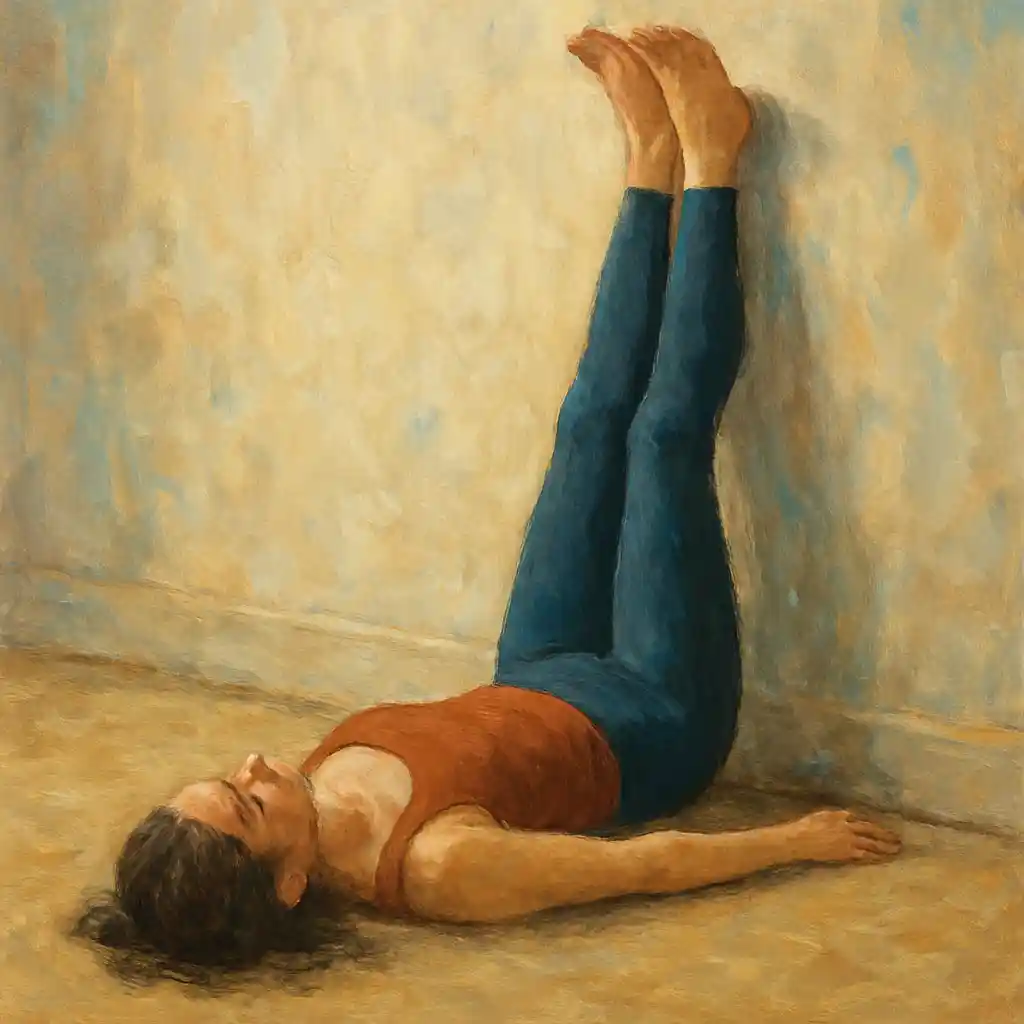
Waking up with a stiff neck can ruin your whole morning. You may feel sore, tired, and even a little worried about how the day will go. If this sounds familiar, the Legs Up the Wall Pose is a simple, gentle yoga position you can try at home to help drain neck tension overnight and support better sleep. Many seniors like this pose because it is calm, low effort, and easy to fit into a nightly routine.
The Legs Up the Wall Pose is a gentle way to relax the neck and shoulders, support circulation, and calm the body before sleep.
This post explains why neck tension is so common (especially for seniors), how it can affect sleep, and how the Legs Up the Wall Pose can help you feel more comfortable at night and more refreshed in the morning. You will also find a step-by-step guide, safety tips, and small adjustments you can use to make the pose feel good for your body.
Why Neck Tension Is Common in Seniors
Neck tension can happen at any age, but many seniors deal with it more often. Over time, the neck and upper back may become more sensitive to daily stress, posture habits, and strain from normal activities. Even small things—like reading, watching TV, or looking down at a phone—can add up.
Common causes of neck tension in seniors
Here are some common reasons seniors may feel tightness or soreness in the neck:
- Poor posture (especially forward head posture while sitting)
- Stress and worry, which often shows up as tight shoulders and a clenched jaw
- Arthritis and general joint stiffness
- Muscle strain from daily chores, lifting, or repetitive movements
- Long periods of sitting without changing position
Neck tension is not always caused by one big problem. Often, it is the result of many small habits that create tight muscles over time.
How neck tension affects sleep and daily well-being
When your neck feels tight, it is harder to relax in bed. You may toss and turn, try different pillows, or wake up often. Poor sleep then makes the next day harder, which can create a cycle: less sleep leads to more stress, and more stress leads to more tension.
Neck tension can affect:
- Sleep quality (difficulty falling asleep or staying asleep)
- Energy levels (feeling tired, groggy, or slow during the day)
- Mood (more irritability and less patience)
- Daily comfort (stiffness when turning the head or looking down)
This is why a calming bedtime practice like the Legs Up the Wall Pose can be so helpful. It gives your body a chance to soften and settle before you try to sleep.
How the Legs Up the Wall Pose Helps Drain Neck Tension Overnight
The Legs Up the Wall Pose is a restful pose where you lie on your back and place your legs up against a wall. It is often used to relax the nervous system and support circulation. For seniors, it can also be a gentle way to release upper-body tightness.
Relieving neck and shoulder tension with gentle support
When you lie down and allow your body to rest, your shoulders can drop away from your ears. Your neck can soften. If you add simple support—like a pillow or rolled towel—your head and neck may feel more comfortable, which can help you let go of tightness.
Many people hold tension in the neck without noticing. A few quiet minutes in the Legs Up the Wall Pose can help you become aware of that tension and allow it to ease.
Improving circulation and reducing inflammation in a simple way
In the Legs Up the Wall Pose, your legs are elevated above your heart. This gentle inversion is often used to support blood flow and reduce swelling in the lower legs and feet. While the pose is not “medical treatment,” many people find that the overall feeling of lightness and relaxation helps the whole body—including the neck—feel calmer and less irritated.
When the body feels less stressed, the muscles often relax more easily. That is one reason this pose can support comfort at bedtime.
Calming the mind to support better sleep
Neck tension is not only physical. Stress and busy thoughts can tighten the shoulders and neck. The Legs Up the Wall Pose is quiet and steady, which can help you slow down. When your breathing becomes calmer, it is easier to fall asleep and stay asleep.
Legs Up the Wall Pose for Seniors: Safety First
The Legs Up the Wall Pose is gentle, but safety matters—especially for seniors. Your comfort is the top priority. If something feels sharp, painful, or wrong, stop and adjust.
Simple safety precautions for seniors
- Move slowly when getting into and out of the pose.
- Use support (pillows, folded blankets, or a towel) to stay comfortable.
- Do not force straight legs. Bent knees are fine.
- Stop if you feel dizzy, short of breath, or uncomfortable.
- Choose a stable surface where you can relax without slipping.
If you have mobility limits, you can still practice the Legs Up the Wall Pose with modifications (explained below). The goal is not perfection—it is relaxation.
Preparing for the Legs Up the Wall Pose (Set Yourself Up for Success)
Before you do the Legs Up the Wall Pose, take one minute to set up your space. A good setup makes the pose feel easier and safer, and it helps you relax more deeply.
Choose a quiet, comfortable location
Pick a spot near a wall where you can lie down without being disturbed. Many seniors like to practice on a carpet, yoga mat, or bed. The best place is the one where your body feels supported and safe.
- Living room wall with a mat or blanket
- Bedroom wall as part of a bedtime routine
- Bed setup if getting down to the floor is difficult
Use props for comfort and support
Props can make a big difference, especially if you often feel neck tension at night. Try:
- A pillow under your head if your neck feels strained without support
- A rolled towel under the neck for gentle support (only if it feels good)
- A folded blanket under the hips if you want a softer angle (optional)
- A small pillow under the knees if your hamstrings feel tight
The right support should feel comfortable, not forced. If your chin lifts too much or your throat feels tight, adjust the pillow height.
Step-by-Step: How to Do the Legs Up the Wall Pose
This step-by-step guide is designed for seniors and beginners. Take your time and keep the movement gentle.
1) Find the right distance from the wall
Sit close to the wall with one hip near it. Then slowly lower yourself onto your back and swing your legs up the wall. You can adjust your distance so your legs feel comfortable.
- Closer to the wall: more stretch in the back of the legs
- Farther from the wall: less stretch, often more comfortable for beginners
If your hamstrings feel tight, move your hips a little farther away and bend your knees slightly.
2) Set your body alignment
Once your legs are up the wall, let your arms rest by your sides. Relax your shoulders down and away from your ears. Your head should feel steady and supported.
Helpful alignment tips:
- Keep your neck long and relaxed.
- Let your shoulder blades rest on the surface beneath you.
- Allow your jaw and face to soften.
If you notice your shoulders creeping up, take a slow breath and let them drop.
3) Breathe slowly and relax
In the Legs Up the Wall Pose, breathing is part of the practice. Try slow, easy breaths. You do not need a special technique—just aim for calm and steady.
As you breathe, imagine the day’s tension leaving your neck and shoulders. Even if you still feel some tightness, you may notice it slowly reduce over a few minutes.
4) Duration and frequency (how long and how often)
For many seniors, a good starting point is 5–10 minutes. If you feel comfortable, you can stay longer. The key is regular practice.
- Beginner: 5 minutes
- Comfortable: 10 minutes
- Regular practice: once daily, especially before bed
Doing the Legs Up the Wall Pose at night can be a simple way to signal to your body that it is time to rest.
5) How to come out of the pose safely
To finish, bend your knees and gently roll to one side. Rest there for a moment before sitting up slowly. This helps prevent dizziness and keeps the neck relaxed.
Extra Tips to Make the Legs Up the Wall Pose More Effective
Small changes can make the Legs Up the Wall Pose feel even better, especially if your main goal is to drain neck tension overnight.
Add gentle neck support (only if it feels good)
If your neck feels “floating” or strained, add a pillow under your head. If you prefer more support, try a small rolled towel under the curve of the neck. The support should feel natural and comfortable.
Use deep breathing to release tension
Try this simple breathing pattern:
- Breathe in slowly through your nose.
- Pause for a moment (if comfortable).
- Breathe out slowly and let your shoulders soften.
With each exhale, imagine tension draining out of your neck, shoulders, and upper back.
Visualize tension leaving the neck and shoulders
Visualization is simple but powerful. While you are in the Legs Up the Wall Pose, picture your neck muscles becoming warm and soft. Imagine the tight spots loosening little by little. This can help your mind stop “holding on,” which often makes physical tension worse.
Combine with gentle neck stretches (very light)
If it feels comfortable, you can add small movements before or after the pose:
- Slowly turn your head a little to the right, then back to center.
- Slowly turn your head a little to the left, then back to center.
- Keep the movement small and pain-free.
Do not force a deep stretch. The goal is gentle release, not intensity.
Legs Up the Wall Pose Modifications for Mobility Issues
Many seniors worry they will not be able to do the Legs Up the Wall Pose because of stiffness, balance concerns, or trouble getting down to the floor. The good news: you can modify the pose in simple ways.
Option 1: Practice on the bed
Lie on your bed and place your legs up on the wall or on the headboard area (if safe and comfortable). This can be easier on the hips and back and reduces the effort of getting up and down.
Option 2: Use a chair for support
If a wall setup is difficult, you can lie on the floor or bed and rest your lower legs on a sturdy chair. This still gives a similar relaxing feeling and can be more accessible for some people.
Option 3: Keep knees bent
Straight legs are not required. Bent knees can reduce pulling in the hamstrings and lower back, which helps the whole body relax—especially the neck and shoulders.
Creating a Bedtime Routine That Supports Neck Relief
The Legs Up the Wall Pose works best when it becomes part of a calm, steady bedtime routine. Your body likes habits. When you repeat the same relaxing steps each night, it becomes easier to unwind and sleep.
How to add the Legs Up the Wall Pose to nightly rituals
Here is a simple routine you can try:
- Dim the lights and reduce noise.
- Do the Legs Up the Wall Pose for 5–10 minutes.
- Take a few slow breaths and relax your shoulders.
- Go to bed right after, without returning to screens or stressful tasks.
This routine is short, but it sends a clear message to your body: it is time to rest.
Other relaxing activities before sleep
If you want to support the pose with other calming habits, consider:
- Gentle stretching for the shoulders and upper back
- Quiet reading (with good posture and support)
- Soft music or a calm breathing practice
- A warm blanket and a comfortable pillow setup
Try to avoid positions that strain the neck late at night, like looking down at a phone for a long time.
The Connection Between Neck Tension and Sleep Quality
It is hard to sleep well when your body is uncomfortable. Neck tension can lead to sleep disturbances because it keeps the nervous system alert. You may fall asleep, but wake up often, or wake up early with stiffness.
How neck tension can lead to sleep disturbances
When the neck and shoulders stay tight, your body may struggle to fully relax. You might:
- Change positions often to find relief
- Wake up with headaches or tight shoulders
- Feel unrested even after several hours in bed
This is why learning to relax the neck before sleep can improve your sleep pattern over time.
How draining neck tension overnight can improve sleep patterns
When you practice the Legs Up the Wall Pose regularly, you may notice:
- Easier time relaxing at bedtime
- Less tightness in the neck and shoulders in the morning
- A calmer mood and less stress around sleep
Some seniors report feeling relief right away, even after the first practice. With regular use, the benefits may become more consistent.
Real-Life Success Stories (What Seniors Often Notice)
Many seniors who try the Legs Up the Wall Pose describe a similar experience: they start the pose feeling tense, and finish feeling calmer and looser in the neck and shoulders.
Common “before and after” changes seniors often notice include:
- Before: stiff neck at bedtime, trouble getting comfortable
- After: shoulders feel lower, neck feels less tight, mind feels calmer
- Before: restless sleep and waking up sore
- After: more restful sleep and easier mornings
These experiences are one reason the Legs Up the Wall Pose is such a popular choice for a simple bedtime practice.
FAQs About the Legs Up the Wall Pose for Seniors
Can the Legs Up the Wall Pose be modified for seniors with mobility issues?
Yes. You can practice on a bed, use a chair to support your legs, keep your knees bent, or ask for help getting into position. The goal is comfort and relaxation, not a perfect shape.
Is it safe to practice the Legs Up the Wall Pose every night?
Many seniors use the Legs Up the Wall Pose daily as part of a bedtime routine. Move slowly, use props, and stop if you feel discomfort. If you have health concerns, it is wise to check with a healthcare professional for personal guidance.
How long does it take to see results?
Some people feel immediate relaxation in the neck and shoulders the first time they try the Legs Up the Wall Pose. With regular practice, many seniors notice more steady improvements in comfort and sleep quality over time.
Maintaining Neck Health Beyond the Legs Up the Wall Pose
The Legs Up the Wall Pose can be a great tool, but daily habits also matter. Protecting your neck during the day can reduce tension at night.
Easy ways to support neck health every day
- Take short breaks from sitting and gently roll your shoulders
- Keep reading materials and screens closer to eye level
- Use supportive pillows when sitting for long periods
- Practice good posture: ears over shoulders, shoulders relaxed
Ergonomic tips to prevent neck strain during daily activities
Small adjustments can reduce strain:
- Screen height: keep your screen at eye level so you do not look down for long periods.
- Chair support: sit with your back supported and feet stable.
- Frequent movement: stand up and stretch gently during the day.
When daytime strain is lower, it becomes easier for the Legs Up the Wall Pose to help drain neck tension overnight.
Expert Advice on Managing Neck Tension (Simple, Practical Guidance)
Healthcare professionals often remind seniors that managing neck tension usually requires a gentle, consistent approach. Relaxation, posture support, and calm movement can all play a role. The Legs Up the Wall Pose fits well into this kind of plan because it is easy to repeat and supports overall relaxation before sleep.
If neck pain is severe, sudden, or getting worse, it is important to seek medical advice. But for everyday tightness and stress-related tension, a calming bedtime routine can be a helpful step.
Conclusion: A Simple Daily Habit to Drain Neck Tension Overnight
If you are tired of waking up stiff and unrested, the Legs Up the Wall Pose is a gentle practice worth trying. It can help your body relax, support circulation, and create the calm feeling you need for better sleep. Start with 5 minutes tonight, use props for comfort, and keep the focus on slow breathing and letting go.
If you found this helpful, explore more of our senior-friendly wellness guides and build a bedtime routine that supports comfort, calm, and better mornings.