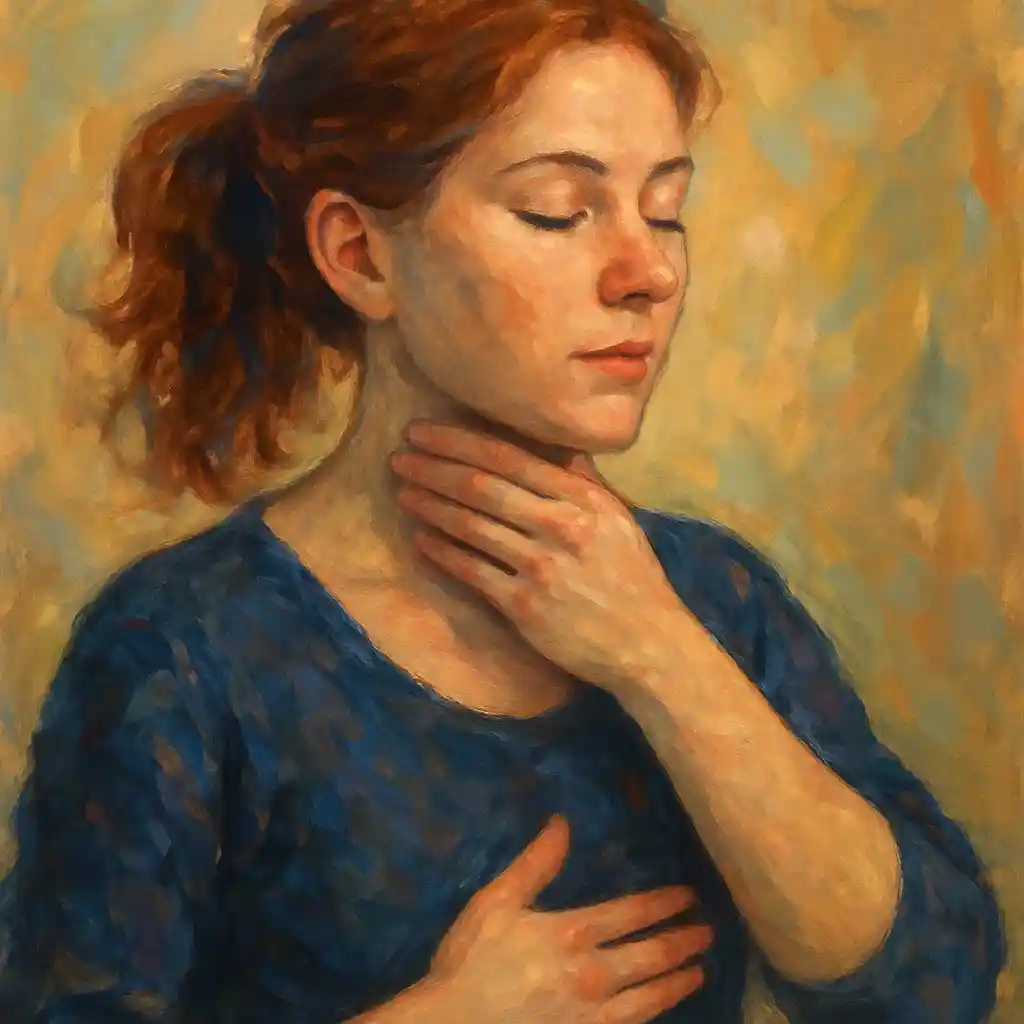
The 4 7 8 breathing technique is a simple breathing pattern that can help many seniors feel calmer, especially when anxiety shows up in the body as tight shoulders, a stiff neck, or a clenched jaw. If you have ever woken up at night with your jaw tight or noticed your neck feels tense when you worry, you are not alone. The good news is that you can learn a steady, gentle practice that supports relaxation in both your mind and muscles.
When anxiety rises, the body often tightens first. The 4 7 8 breathing technique gives you a clear, step-by-step way to slow down and release that tension.
In this guide, you will learn what the 4 7 8 breathing technique is, why it can help with anxiety-related neck and jaw tension, how to practice it safely, and how to build it into your daily routine in a realistic way.
Why anxiety can cause neck and jaw tension in seniors
Anxiety is not only a feeling in the mind. It can also be a physical experience. Many seniors notice anxiety as tightness in the neck, pressure in the jaw, or even headaches. This can be frustrating because the tension may feel like it comes “out of nowhere,” especially during stressful days or in the middle of the night.
Common causes of anxiety in seniors
Anxiety can have many triggers. For seniors, common causes often include:
- Health concerns or medical appointments
- Financial worries and planning for the future
- Daily stress and changes in routine
- Loneliness or major life changes
These concerns can build up over time. Even when you try to “stay strong,” the body may still react with muscle tension.
How anxiety shows up in the neck and jaw
When you feel stressed, you may tighten your shoulders, clench your teeth, or press your tongue against the roof of your mouth without noticing. Over time, this can lead to:
- Stiffness in the neck
- Soreness in the jaw from clenching
- Tension that spreads into the shoulders
- Discomfort that makes it harder to relax
You probably know the feeling: your jaw feels “locked,” your neck feels tight, and it becomes difficult to settle down. This is exactly where the 4 7 8 breathing technique can help, because it gives your body a signal to slow down.
How neck and jaw tension can affect your well-being
Neck and jaw tension can impact daily life in several ways. It may lead to headaches, trouble sleeping, poor posture, and irritability. It can also affect concentration and mood. When you feel physically tense, it is harder to feel mentally calm. That is why learning a simple relaxation tool can be so valuable.
What the 4 7 8 breathing technique is (and why it feels calming)
The 4 7 8 breathing technique is a breathing pattern with three parts:
- Inhale through the nose for 4 seconds
- Hold the breath for 7 seconds
- Exhale through the mouth for 8 seconds
This rhythm is easy to remember, which is helpful when you feel anxious. Instead of trying to “think your way out” of stress, you focus on counting and breathing.
How the 4 7 8 breathing technique supports the nervous system
When you are anxious, the body can move into a stress response (often called “fight or flight”). The 4 7 8 breathing technique helps shift you toward a calmer state. One key part is the longer exhale. A slow, extended exhale can support relaxation and help you feel more settled.
Many people also notice that when they breathe in a slow, structured way, their shoulders drop and their jaw softens. Over time, this can reduce the habit of clenching and holding tension.
Why it can help with anxiety-related neck and jaw tension
Neck and jaw tension often comes from the body staying “on alert.” The 4 7 8 breathing technique gives you a practical way to interrupt that pattern. With each slow exhale, you can gently encourage your muscles to release.
With regular practice, seniors often report:
- More relaxation in the neck and jaw
- A calmer feeling during stressful moments
- Better sleep when practiced before bedtime
- Less stiffness, especially after long periods of sitting
How to practice the 4 7 8 breathing technique step by step
You can practice the 4 7 8 breathing technique sitting, lying down, or in a comfortable reclined position. The most important thing is to feel safe and relaxed, not strained.
Step 1: Find a comfortable position
Sit with your back supported and shoulders relaxed, or lie down if that feels better. If you are in a chair, keep your feet flat on the floor if possible. Let your hands rest easily in your lap or at your sides.
Step 2: Set your tongue position
Place the tip of your tongue against the roof of your mouth, right behind your front teeth. This is a common detail of the practice and can help you keep a steady mouth position during the exhale.
Step 3: Inhale for 4 seconds
Inhale quietly through your nose for a count of 4. Try to breathe smoothly and gently. Many people find it helpful to feel the abdomen rise slightly rather than lifting the shoulders.
Step 4: Hold for 7 seconds
Hold your breath for a count of 7. Keep your face soft. If you notice your jaw tightening during the hold, gently relax it without forcing anything.
Step 5: Exhale for 8 seconds
Exhale slowly through your mouth for a count of 8. You can make a soft “whooshing” sound as you exhale. As the air leaves, imagine tension draining from your neck and jaw.
Step 6: Repeat the cycle
Repeat the full cycle 3 to 4 times to start. If you feel comfortable, you can slowly build up over time. The goal is steady practice, not pushing yourself.
Tip: If the full counts feel too long at first, shorten them to a comfortable ratio and work up slowly. Comfort matters more than perfect timing.
4 7 8 breathing technique for anxiety: when to use it during the day
The 4 7 8 breathing technique is helpful because it can fit into real life. You do not need special equipment, and you can do it almost anywhere you can sit quietly for a moment.
Use it when you notice early signs of tension
Try to practice as soon as you notice:
- Your jaw is clenched
- Your shoulders are raised
- Your neck feels stiff
- Your thoughts are racing
Even a few cycles can help you feel more in control.
Add it to your morning routine
Many seniors find mornings can bring worry about the day ahead. Practicing the 4 7 8 breathing technique after waking up can set a calmer tone. You can do it in bed, seated at the edge of the bed, or in your favorite chair.
Use it at bedtime (and during nighttime wake-ups)
If you wake up at night feeling tense, the 4 7 8 breathing technique can give your mind something simple to focus on. It may also help relax the jaw and neck so you can settle again.
How to build a daily habit with the 4 7 8 breathing technique
Like any skill, the 4 7 8 breathing technique works best when you practice regularly. You do not need long sessions. Small, consistent practice is often more effective than doing a lot once in a while.
Set aside a dedicated time (start small)
Choose one time of day you can repeat most days, such as:
- After brushing your teeth
- Before lunch
- Before bedtime
Start with 1–2 minutes. When it feels easy, you can extend the time.
Use reminders or alarms
If you forget, that is normal. Set a gentle reminder on your phone or use an alarm clock. You can label it something simple like “Breathing break.” Over time, the habit becomes easier.
Connect it to a regular activity
Habits stick better when they are linked to something you already do. For example, practice the 4 7 8 breathing technique right after you sit down with your morning tea, or before you turn off the light at night.
Real-life success stories: seniors using the 4 7 8 breathing technique
Many seniors have shared positive experiences with the 4 7 8 breathing technique, especially for anxiety and tension in the neck and jaw.
- Mary, 72, used to wake up with a tight jaw due to stress. After adding the 4 7 8 breathing technique to her daily routine, she noticed less jaw tension and lower anxiety.
- John, 68, dealt with neck stiffness for years. With regular practice of the 4 7 8 breathing technique, he reported a noticeable reduction in neck discomfort.
- Susan, 75, struggled to unwind at night. After using the 4 7 8 breathing technique before bed, she felt calmer and slept better.
These stories show a simple point: when you practice consistently, small changes can add up to meaningful relief.
Using mindfulness with the 4 7 8 breathing technique for better stress control
The 4 7 8 breathing technique works well on its own, but it can also be stronger when combined with mindfulness. Mindfulness simply means paying attention to the present moment without judging yourself.
Identify common anxiety triggers
It can help to notice what triggers your stress. Common triggers for seniors include health worries, loneliness, and major life changes. When you know your triggers, you can use the 4 7 8 breathing technique earlier, before tension becomes severe.
Stay present in challenging moments
When stress rises, bring your attention to simple details:
- The feeling of your feet on the floor
- The air moving in and out
- The count of 4, 7, and 8
This keeps your mind from spiraling and helps your body relax.
A simple “calm check” during the day
Try a quick check-in: relax your shoulders, soften your jaw, and do one cycle of the 4 7 8 breathing technique. This small practice can prevent tension from building up for hours.
Safety precautions for seniors practicing the 4 7 8 breathing technique
The 4 7 8 breathing technique is gentle, but it is still important to practice in a safe way, especially if you have health conditions.
Consult your healthcare provider first
Before starting a new breathing practice, it is wise to speak with your healthcare provider, especially if you have respiratory conditions or other concerns. They can help you decide what is safe for your situation.
Start slow and avoid dizziness
If you are new to breathing exercises, begin with fewer cycles. If you feel lightheaded or dizzy, stop and return to normal breathing. This is a sign to slow down or shorten the counts.
Adjust the timing for comfort
If holding for 7 seconds feels too long, shorten the hold. Some seniors prefer a gentler version (for example, a shorter count) and then build up over time. The best version is the one you can do comfortably and consistently.
Signs you may need to stop or modify
Pay attention to your body. Consider stopping or adjusting if you notice:
- Lightheadedness or dizziness
- Shortness of breath
- Increased neck or jaw pain during practice
The goal is relaxation. Never force the breath.
Extra relaxation tools that pair well with the 4 7 8 breathing technique
If you want more support, you can combine the 4 7 8 breathing technique with other gentle relaxation methods. These can help both the mind and the muscles.
Progressive muscle relaxation
Progressive muscle relaxation means gently tensing and then relaxing muscle groups, one at a time. You might tense your shoulders for a few seconds, then release. This can help you notice where you hold tension and let it go more easily.
Guided imagery and visualization
Guided imagery is when you picture a calm scene, like a quiet garden or a beach at sunset. While doing the 4 7 8 breathing technique, imagine each exhale softening your neck and jaw.
Gentle neck and jaw stretches
Simple stretches can help with physical relief. Try these gentle movements:
- Slowly tilt your head side to side, holding each side for 15–30 seconds
- Gently open your mouth wide and close it slowly a few times
Move slowly and carefully. The goal is comfort, not pushing into pain.
Create a calming space for the 4 7 8 breathing technique
Your environment can make relaxation easier. A calm space supports the 4 7 8 breathing technique because it reduces distractions and helps your body feel safe.
Set up a peaceful, distraction-free spot
Choose a place where you can sit comfortably. Small changes can help:
- Clear clutter from the area
- Use a supportive chair or cushion
- Keep the lighting soft if possible
Use soothing music or aromatherapy
Some seniors enjoy gentle music or nature sounds. Others like calming scents such as lavender or chamomile. These tools can support relaxation when paired with the 4 7 8 breathing technique.
Try natural light and fresh air
If you can, practice near a window with natural light or in a spot with fresh air. Many people find it easier to breathe deeply when the space feels open and comfortable.
Track your progress with the 4 7 8 breathing technique
Progress is often gradual. Tracking can help you notice improvements you might otherwise miss. This is especially useful when anxiety and tension have been present for a long time.
Keep a simple journal
Write down short notes, such as:
- Your anxiety level before and after practice
- How your neck feels (tight, medium, relaxed)
- How your jaw feels (clenched, sore, relaxed)
- What time of day you practiced
This can help you see patterns and learn what works best for you.
Reflect on challenges and successes
Some days will be easier than others. If you miss a day, that is normal. The important part is returning to your practice without self-criticism. Consistency grows over time.
Adjust with personal experience and medical guidance
If you notice discomfort, shorten the counts or reduce the number of cycles. If you are unsure, check in with your healthcare provider for feedback. Small adjustments can make the 4 7 8 breathing technique safer and more comfortable.
Recap: benefits of the 4 7 8 breathing technique for anxiety, neck, and jaw tension
The 4 7 8 breathing technique is a simple, practical tool that can help seniors manage anxiety and reduce neck and jaw tension. With regular practice, many people experience:
- A calmer mind during stressful moments
- Less jaw clenching and neck tightness
- Better relaxation before sleep
- A stronger sense of control over stress
Most importantly, it is something you can do anytime you need support, even in the middle of a difficult day.
Conclusion
Learning the 4 7 8 breathing technique can be a gentle but powerful step toward feeling calmer and more comfortable in your body, especially if anxiety often shows up as neck and jaw tension. Start small, keep it comfortable, and practice regularly. If you would like more simple tools like this, explore more of our breathing and relaxation guides in the blog and choose one small practice to try this week.