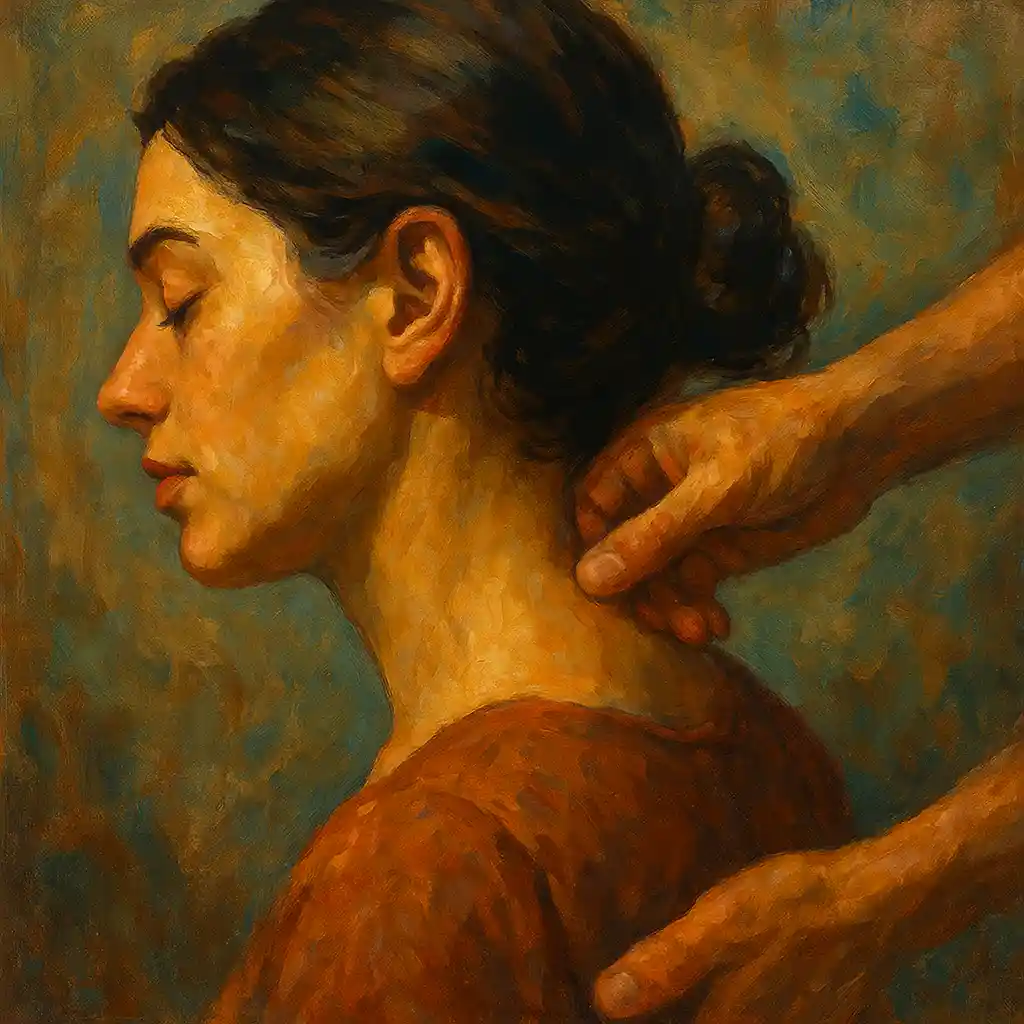
Neck stiffness can turn a normal day into a hard day. If you are dealing with tight neck muscles, sore shoulders, or a stiff feeling when you try to turn your head, acupressure GB 20 is a simple technique you can try at home. Many seniors like it because it is gentle, drug-free, and easy to learn. With the right steps, acupressure GB 20 can help you relax, improve comfort, and support better movement in your neck and upper back.
Key idea: Acupressure GB 20 uses steady, gentle pressure at the base of the skull to help release neck tension and support relaxation.
This guide explains what neck tension can feel like, why it is common as we age, how to find the GB 20 point, and how to use safe techniques for fast relief. You will also learn how to build a simple routine and add other helpful points and habits for more complete neck tension support.
Why Neck Tension Is Common in Seniors (and Why It Matters)
You probably know the feeling: you wake up and your neck feels tight, or you sit down to read and suddenly you notice a dull ache that spreads into your shoulders. Neck tension is common in seniors, and it can affect daily life more than people expect.
Common causes of neck tension in seniors
Neck tension does not come from one single thing. It often builds up over time. Common causes include:
- Poor posture (for example, leaning forward while reading, using a phone, or working at a computer)
- Stress, which can tighten muscles in the neck and shoulders
- Age-related stiffness in muscles and joints
- Muscle strain from daily tasks, gardening, housework, or lifting
- Sleeping positions that place the neck at an odd angle
How neck pain can affect daily life
Neck pain can make simple tasks feel difficult. It can affect:
- Turning your head while driving
- Looking up or down while cooking, reading, or using a device
- Sleeping comfortably through the night
- Your mood and energy (pain can make you feel tired and irritable)
When neck tension stays for days or weeks, it can also make you move less. That can lead to even more stiffness. This is one reason many people look for a safe home method like acupressure GB 20.
What Is Acupressure, and How Can It Help Neck Tension?
Acupressure is an old hands-on technique. It involves using your fingers (often thumbs) to apply pressure to specific points on the body. Many people use it to support relaxation and comfort.
How acupressure supports relaxation
When you press a point gently and steadily, your body may respond by relaxing tight muscles. Many seniors describe feeling:
- Less tightness in the neck and shoulders
- A calmer feeling in the body
- Better comfort when moving the neck
Acupressure is also popular because it is non-invasive. You do not need equipment, and you can do it at home in a chair or in bed.
Why many seniors prefer acupressure for neck tension
- Drug-free option for comfort and relaxation
- Low cost (you can use your hands)
- Easy to repeat when tension returns
- Targeted (you focus on a specific area that feels tight)
In this article, the main focus is acupressure GB 20, because it is widely used for neck and shoulder tension and is easy to locate.
Acupressure GB 20: What It Is and Why It’s Used for Neck Tension
The GB 20 point is located at the base of the skull, in the hollow areas on both sides of the neck. Many people use acupressure GB 20 for neck tension, stiffness, and discomfort that can spread into the head and shoulders.
Why GB 20 is significant for neck comfort
GB 20 sits where the skull and neck meet, close to muscles that often become tight with stress, poor posture, and long periods of sitting. When these muscles tighten, you may feel:
- A stiff neck in the morning
- Tension that spreads into the shoulders
- Discomfort when turning your head
- A heavy, tight feeling at the base of the skull
By using gentle pressure at this area, many seniors feel a quick release of tightness and a more relaxed neck.
How to Locate the GB 20 Point (Step by Step)
Finding the right spot is important for good results. The good news is that acupressure GB 20 is simple to locate once you know what to feel for.
Step-by-step guide to locating GB 20
- Sit comfortably in a chair with your back supported, or lie on your back if that feels better.
- Place your thumbs behind your ears, at the base of your skull.
- Slide your thumbs slightly inward and downward toward the center line of your neck.
- You should feel two small hollow areas (indentations) on each side, where the neck muscles meet the skull.
- Those hollows are the GB 20 points (one on the left, one on the right).
If you are unsure, take your time. It is normal to need a few tries before you feel confident.
How to know you are on the right spot
When you press gently, you may notice mild tenderness or a “good sore” feeling. That is common. It should not be sharp or painful. If you feel strong pain, move your thumbs a little and use lighter pressure.
Preparing for Acupressure GB 20 at Home
A calm setup can make acupressure GB 20 more effective. You do not need anything special, but small details can help you relax faster.
Create a calm and comfortable environment
- Choose a quiet place where you will not be interrupted.
- Use soft lighting if possible.
- Consider gentle music if it helps you relax.
- Keep your neck warm (a light scarf or blanket can help).
Posture and positioning tips
Good positioning protects your neck while you work on it.
- If sitting: Keep both feet on the floor and let your shoulders drop down and relax.
- If lying down: Support your head so your neck is neutral, not bent too far forward.
- Try not to hunch your shoulders while pressing the points.
Safety precautions and contraindications
Acupressure is usually gentle, but it is still important to be careful.
- If you have a medical condition, or if you are pregnant, talk with a healthcare professional before starting.
- Avoid pressing on open wounds, bruises, or irritated skin.
- Stop if you feel sharp pain, dizziness, or discomfort that worries you.
- Acupressure should feel like pressure and release, not like harm.
How to Apply Acupressure GB 20 for Rapid Neck Tension Relief
This is the core method. Many people feel relief quickly, especially when they combine pressure with slow breathing. Use a firm but gentle touch. Think “steady and calm,” not “hard and forceful.”
Gentle warm-up before pressing GB 20
Before acupressure GB 20, a short warm-up can help your muscles soften.
- Shoulder rolls: Roll shoulders slowly forward 5 times, then backward 5 times.
- Neck movements: Turn your head gently left and right (do not force it).
- Light massage: Use fingertips to rub the sides of the neck for 20–30 seconds.
Step-by-step instructions for pressing GB 20
- Find the GB 20 points in the hollows at the base of the skull (one on each side).
- Place your thumbs on the points. Support your head with your fingers if needed.
- Press inward and slightly upward with steady pressure.
- Massage in small circles or hold the pressure still—both are fine.
- Breathe slowly: inhale through your nose, exhale slowly through your mouth.
- Continue for 1–2 minutes.
- Release slowly, then rest for a few seconds and notice how your neck feels.
Many seniors like to repeat the cycle once more, especially if the neck feels very tight.
Duration and frequency for best results
For many people, a good starting routine is:
- 10–15 minutes total of self-care time (including warm-up and pressing)
- 2–3 times a day if tension is strong
- Or once daily for maintenance when you feel better
Consistency often matters more than intensity. A little acupressure GB 20 every day can be more helpful than one long session once in a while.
Applying Pressure Correctly: Getting the Most from Acupressure GB 20
Small technique changes can make a big difference with acupressure GB 20.
Use the right pressure level
- Start with gentle pressure, then increase slowly if it feels good.
- Aim for a “comfortable tender” feeling, not sharp pain.
- If you feel sore the next day, use less pressure next time.
Match pressure with breath
A helpful method is to press a little more on the exhale and soften on the inhale. This can help your body relax and reduce guarding (when muscles tighten to protect themselves).
Common mistakes to avoid
- Pressing too hard and causing pain
- Holding your breath instead of breathing slowly
- Hunching shoulders while trying to reach the points
- Rushing (slow pressure often works better)
Additional Acupressure Points That Can Support Neck Tension Relief
While acupressure GB 20 can be powerful on its own, some people like to add other points for a more complete routine. In the draft content, the following points were mentioned as helpful options to complement GB 20.
LI 4 (hand point) as a complement
LI 4 is located between the thumb and index finger. Many people use it as part of a general tension relief routine. You can press it gently for 30–60 seconds while breathing slowly.
GB 21 (top of shoulder) as a complement
GB 21 is found on the top of the shoulder area. It is often used for shoulder tightness that can pull on the neck. Use gentle pressure and avoid forcing into pain.
How to combine points into a simple routine
If you want a full routine, try this order:
- Warm-up (shoulder rolls and gentle neck movement)
- Acupressure GB 20 (1–2 minutes)
- GB 21 (30–60 seconds each side)
- LI 4 (30–60 seconds each hand)
Keep it simple. The goal is steady relief, not a complicated program.
Self-Acupressure Tools and Accessories for Home Use
You can do acupressure GB 20 with your hands, but some seniors prefer tools for comfort or easier reach. Tools can also help if your thumbs get tired.
Tools that may enhance your acupressure experience
- Neck massagers for gentle daily muscle relaxation
- Acupressure mats or pillows that support relaxation while lying down
- Self-massage devices that help target tight areas in the neck and shoulders
Tips for choosing the right tool
- If you have hand or thumb pain, choose a tool that reduces strain.
- If you mainly feel tension after reading or screen time, choose something that supports upper back and shoulder release.
- Pick a tool that feels comfortable and safe. Strong pain is not the goal.
Tools should support your routine, not replace good technique. Even with tools, it helps to know where GB 20 is and how much pressure feels right.
Lifestyle Tips to Prevent Neck Tension from Coming Back
Acupressure can help with relief, but daily habits often decide how often the tension returns. Many seniors get the best results when they combine acupressure GB 20 with simple lifestyle changes.
Posture and ergonomics in daily activities
- Keep screens closer to eye level so you are not looking down for long periods.
- Use a chair that supports your back, and keep shoulders relaxed.
- When reading, try a book stand so your neck stays neutral.
- Take short breaks every 30–60 minutes to reset posture.
Neck exercises and stretches for flexibility
Gentle movement can reduce stiffness. Try:
- Side tilt stretch: Tilt ear toward shoulder, hold 15–30 seconds each side.
- Slow head turns: Turn left and right within a comfortable range.
- Shoulder blade squeeze: Gently squeeze shoulder blades together for 5 seconds, repeat 5 times.
Never force a stretch. Gentle and regular is usually best.
Stress management to reduce muscle tightening
Stress often shows up in the neck and shoulders. Simple stress habits can help prevent tension from building:
- Slow breathing for 1–2 minutes
- A short walk or light movement
- A calm bedtime routine to reduce nighttime tightening
When you feel stress rising, that is a good time to use acupressure GB 20 for a few minutes.
Real-Life Success Stories Seniors Share About Acupressure GB 20
Many seniors report good results when they practice acupressure GB 20 regularly. In the draft content, several examples were shared to show how this technique can fit into real daily life.
Simple testimonials seniors often share
- “I couldn’t believe how much better my neck felt after just a few minutes of acupressure.”
- “I used to rely on pain medication first, but now I try acupressure first.”
- “I was skeptical, but now it is part of my regular self-care routine.”
Examples of how acupressure can fit different lifestyles
- A retiree who wakes up with stiffness uses acupressure GB 20 in the morning before a walk.
- A grandparent with long-term tightness adds GB 20 pressing to a daily routine and notices improved comfort over time.
- An active senior who gardens uses acupressure when the neck feels tight after bending or lifting.
These stories are encouraging because they show a simple truth: small daily actions can support better comfort and mobility.
How to Integrate Acupressure GB 20 into Your Daily Routine
The easiest way to get results is to make acupressure GB 20 a normal part of your day. It does not need to take long.
Morning routine idea (3–5 minutes)
- Shoulder rolls (30 seconds)
- Find and press GB 20 (1–2 minutes)
- Gentle neck turns (30 seconds)
- Deep breathing (30–60 seconds)
Bedtime routine idea (5 minutes)
- Dim the lights and relax your shoulders
- Press GB 20 slowly while breathing deeply (2 minutes)
- Light massage along the sides of the neck (1 minute)
- Rest quietly and notice the release (1–2 minutes)
Set reminders and track progress
If you forget, set a simple reminder on your phone or write a note near your favorite chair. You can also track:
- When tension appears (morning, after reading, after stress)
- What pressure level feels best
- How your neck movement changes over time
If one approach does not feel right, adjust. Use lighter pressure, shorter sessions, or add more breathing. The goal is comfort and steady improvement.
Conclusion: Start Using Acupressure GB 20 for Rapid Neck Tension Relief at Home
Neck tension can be frustrating, but you do not have to feel stuck with it. Acupressure GB 20 is a practical, gentle method you can use at home to support rapid neck tension relief, relaxation, and better comfort in daily life. Start with good positioning, find the GB 20 points carefully, use steady pressure with slow breathing, and keep your routine consistent.
If you found this guide helpful, explore more of our self-care articles on the site and choose one simple technique to practice this week as part of your daily routine.