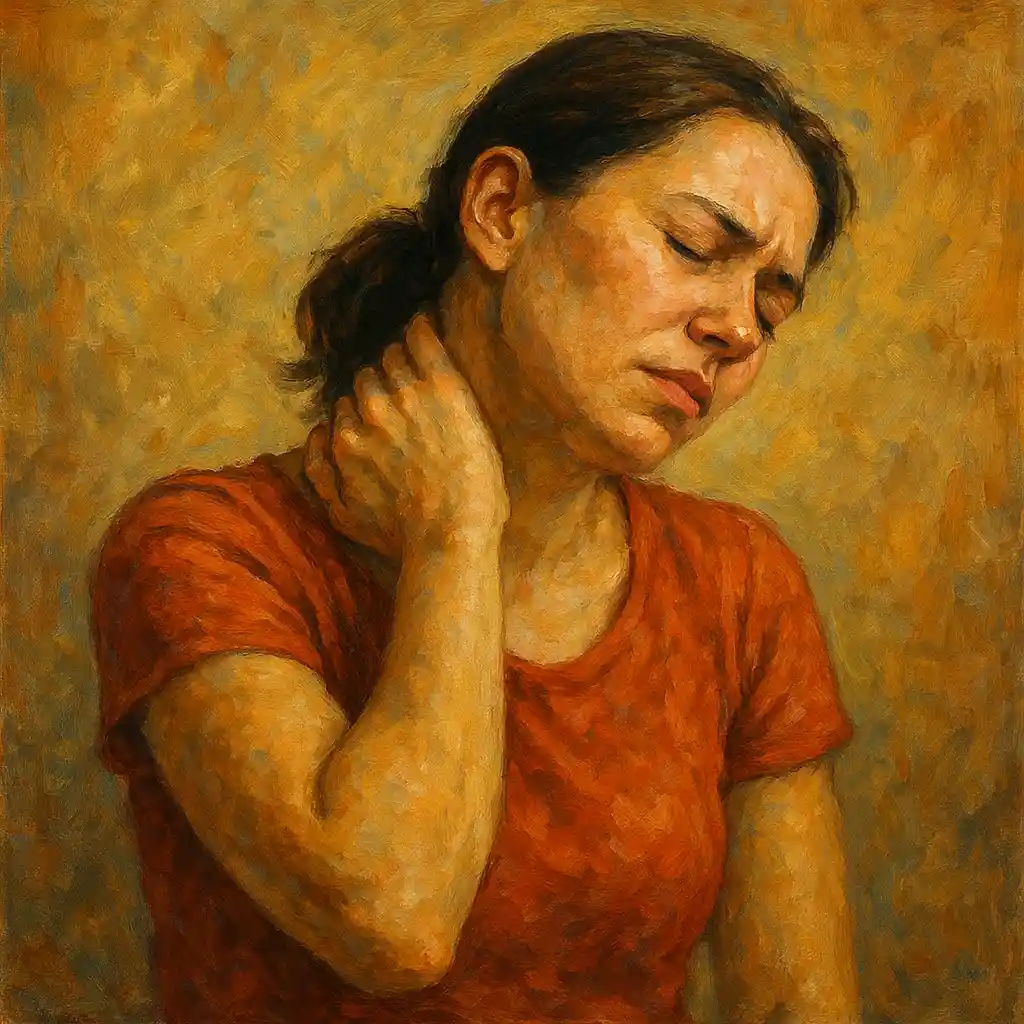
Neck pain relief at home does not need to be complicated, expensive, or time-consuming. If you wake up with a stiff neck, feel sore after looking down at your phone, or notice aching after sitting at a computer, a simple 2-minute routine can help you feel looser and more comfortable. Many seniors deal with neck stiffness that makes everyday tasks harder—turning your head while driving, looking up at a shelf, reading, or even sleeping well.
Small, gentle movements done consistently can reduce tension and support better neck comfort over time.
In this guide, you’ll learn easy, senior-friendly techniques for neck pain relief at home that you can do in about two minutes. You’ll also learn why neck pain happens, how to prevent it with posture and simple habits, and when it’s time to talk with a healthcare provider.
Why Neck Pain Relief at Home Matters (Especially for Seniors)
Neck pain can feel like a “small” problem at first, but it can quickly affect your whole day. When your neck is tight or sore, you may move less, sleep worse, and feel more tired or stressed. For seniors, neck discomfort can also affect confidence with daily activities, such as driving, walking outdoors, or doing chores.
Getting neck pain relief at home early is important because ignoring pain can lead to more stiffness and more tension. The goal is not to “push through” pain. The goal is to calm the muscles, improve gentle movement, and reduce strain from posture and daily habits.
What neck pain can change in daily life
- Turning your head feels limited or uncomfortable
- Looking up or down causes a sharp twinge or dull ache
- Sleeping becomes harder because you can’t find a comfortable position
- Computer or phone time triggers tension in the neck and shoulders
- Stress feels worse because your body stays tense
Understanding Neck Pain in Seniors: Common Causes
Before you try any routine, it helps to understand what may be causing the problem. Many seniors experience neck pain from a mix of muscle tension, posture habits, and age-related wear and tear. The good news is that gentle movement and better daily setup often support neck pain relief at home.
Poor posture (sitting, standing, and “tech neck”)
When you sit with rounded shoulders or a forward head position, your neck muscles work harder to hold your head up. This can lead to tightness, stiffness, and soreness—especially after long periods at a desk, in a chair, or looking down at a phone.
Muscle tension and stress
Stress often shows up in the body as tight shoulders and a tense neck. You may not notice it until you try to relax and realize your shoulders are lifted toward your ears.
Age-related stiffness and wear and tear
As we age, it is common to feel more stiffness in joints and muscles. This can make your neck feel less flexible and more sensitive to strain. Gentle stretching and light strengthening can help support comfort.
Sleep setup (pillow and mattress support)
If your pillow does not support your neck well, you may wake up with pain or stiffness. Neck alignment during sleep matters more than many people realize.
2-Minute Neck Pain Relief at Home: The Quick Routine
This simple routine is designed for neck pain relief at home in about two minutes. It focuses on gentle movement, posture reset, and muscle relaxation. You can do it sitting in a sturdy chair or standing with support nearby.
Move slowly, stay within a comfortable range, and stop if you feel sharp or severe pain.
Step 1 (30 seconds): Shoulder rolls back and down
Sitting or standing tall, gently roll your shoulders up, back, and down in a smooth circle. Keep your breathing calm. This helps release tension in the upper back and shoulders, which often feeds into neck pain.
- Do slow circles for about 15 seconds
- Pause, then repeat for another 15 seconds
Step 2 (45 seconds): Side-to-side neck stretch
Keep your shoulders relaxed. Slowly tilt your head toward one shoulder until you feel a gentle stretch on the opposite side of your neck. Hold briefly, then switch sides.
- Tilt right, hold for a few seconds
- Return to center
- Tilt left, hold for a few seconds
- Repeat once more on each side
Step 3 (30 seconds): Chin tucks for posture support
Chin tucks help strengthen the muscles that support good head and neck alignment. Sit tall, look straight ahead, and gently draw your chin backward (as if making a “double chin”), without looking down.
- Hold for a few seconds
- Relax
- Repeat several times for about 30 seconds
Step 4 (15 seconds): Gentle base-of-skull massage
Place your fingertips at the base of your skull (where your head meets your neck). Use light circular motions. Keep pressure gentle. This can support relaxation and may help reduce tension headaches linked to neck tightness.
Gentle Stretches for Neck Pain Relief at Home (When You Have a Little More Time)
If you can add a few extra minutes later in the day, these gentle stretches can support ongoing neck pain relief at home. The key is consistency and comfort, not intensity.
Slow neck rotations (small circles, no forcing)
Turn your head slowly to look to the right, then back to center, then to the left. You can also make very small, careful circles if it feels comfortable. Avoid fast rolling or pushing into pain.
Forward and backward movement (gentle only)
Some people benefit from gently nodding “yes” (small range) to reduce stiffness. If looking up causes pain, keep the movement small and stay in a comfortable range.
Shoulder shrugs for upper back release
Lift your shoulders toward your ears, hold for a moment, then let them drop down. This is a simple way to notice and release tension that builds during the day.
Self-Massage for Neck Pain Relief at Home
Self-massage is a simple tool for neck pain relief at home because it helps muscles relax and can increase comfort quickly. Keep pressure light to moderate. If you bruise easily or have sensitive skin, be extra gentle.
Neck and shoulder massage (2 minutes or less)
- Use your fingertips to massage the sides of your neck with small circles
- Move down toward the top of your shoulders
- Spend extra time on areas that feel tight, but avoid pressing hard
Scalp massage for relaxation
Stress and tension can “travel” into the neck. A gentle scalp massage can help your whole body relax. Use your fingertips to make small circles across the scalp, especially near the base of the skull and behind the ears.
Using a tennis ball or massage ball (carefully)
You can roll a tennis ball gently along the upper back and shoulder area to find tight spots. Avoid pressing directly on the spine. If you are unsure, keep this technique very light or skip it.
Heat and Cold for Neck Pain Relief at Home
Heat and cold therapy are easy options for neck pain relief at home. Each one has a different purpose, and many people like to use both at different times.
Using a heating pad or warm towel
Heat can help relax tight muscles and reduce stiffness. A warm towel or heating pad on the neck and shoulders can feel soothing, especially in the morning or after sitting for a long time.
- Use warmth for a short period (a few minutes is often enough)
- Keep it comfortable, not hot
- Never sleep with a heating pad on
Cold compress application
Cold can help calm soreness and reduce inflammation. If your neck feels irritated after activity, a cold pack may help.
- Wrap a cold pack (or frozen peas) in a thin towel
- Apply for about 15–20 minutes
- Take breaks between applications to protect your skin
Ergonomic Changes for Neck Pain Relief at Home (Daily Prevention)
Many people do stretches but forget the daily setup that caused the pain in the first place. Ergonomic changes are a powerful form of neck pain relief at home because they reduce strain all day long.
Proper posture while sitting and standing
- Sit with your back supported and shoulders relaxed
- Keep your head stacked over your shoulders (not forward)
- When standing, distribute weight evenly and avoid locking your knees
Adjusting computer and screen height to reduce neck strain
If your screen is too low, you will look down and strain your neck. If it is too high, you may tilt your head back.
- Raise your screen so it is closer to eye level
- Bring the screen closer so you are not leaning forward
- Take short breaks to reset posture and move your shoulders
Choosing the right pillow and mattress for neck support
A supportive pillow can help keep your neck and spine aligned. Many seniors find that a pillow that supports the natural curve of the neck makes mornings easier. A mattress with good support can also help your spine stay in a neutral position.
Lifestyle Habits That Support Neck Pain Relief at Home Long Term
Quick routines help, but long-term comfort often comes from small daily habits. These lifestyle steps support ongoing neck pain relief at home and help prevent flare-ups.
Regular exercise to strengthen neck and upper back muscles
Gentle movement supports flexibility and strength. Chin tucks, shoulder rolls, and light stretching can help your neck handle daily activities with less strain. Low-impact activities like walking or swimming can also support overall muscle health.
Stress management to prevent tension buildup
When stress rises, shoulders often tighten and neck pain can increase. Simple relaxation habits can help.
- Deep breathing for a minute or two
- Gentle evening stretches
- Mindfulness or quiet time before bed
Staying hydrated for joint and muscle comfort
Hydration supports the body in many ways, including helping muscles and joints work smoothly. If you notice stiffness, drinking enough water throughout the day is a simple habit that supports comfort.
How to Build a Daily Plan for Neck Pain Relief at Home
Consistency is what makes the biggest difference. You do not need a long workout. You need short, regular moments of care. Here is a simple way to fit neck pain relief at home into your day.
Morning: 2 minutes to loosen stiffness
- Shoulder rolls
- Side-to-side neck stretch
- Chin tucks
During the day: desk-friendly resets
- Posture check: shoulders relaxed, head over shoulders
- Short break from screens
- Gentle shoulder rolls if tension builds
Evening: unwind and release tension
- Deep breathing for relaxation
- Gentle neck stretches
- Warm towel on the neck if muscles feel tight
Mind-Body Tools for Neck Pain Relief at Home
Your mind and body work together. When you feel anxious or rushed, your muscles often tighten. Using simple mind-body tools can support neck pain relief at home by reducing tension at the source.
Mindfulness and deep breathing
Sit comfortably, relax your shoulders, and take slow breaths. Inhale through your nose, then exhale slowly through your mouth. As you exhale, let your shoulders drop. Even one or two minutes can help.
Gentle yoga-style movements (simple and safe)
You do not need advanced poses. Gentle neck stretches, shoulder rolls, and calm breathing can bring relaxation. Move slowly and avoid anything that causes sharp pain.
When to Seek Professional Help for Neck Pain
Neck pain relief at home can be very helpful, but sometimes you need extra support. If your pain is persistent, getting advice from a healthcare provider can help you find the right plan for your situation.
Consider consulting a healthcare provider if:
- Your neck pain lasts more than a few days and does not improve
- Pain keeps you from sleeping, working, or doing normal activities
- You have numbness, tingling, weakness, or shooting pain down your arms
- Your symptoms worsen instead of improving
Possible treatment options for ongoing neck issues
Depending on your needs, a professional may suggest posture training, guided exercise, hands-on therapy, or other supportive care. A physiotherapist or chiropractor may provide personalized exercises and advice for daily movement and alignment.
Safety Tips for Neck Pain Relief at Home
Gentle techniques are usually safe, but it’s important to protect yourself—especially if you already feel sore or stiff.
Avoid sudden movements
Quick turns or jerky motions can worsen pain. Move slowly and smoothly, especially when turning your head.
Use proper form during exercises
- Keep your neck in a neutral position when possible
- Do not force stretches
- Start gently and build slowly
Listen to your body
Discomfort from stretching can be normal, but severe pain is a warning sign. Do not push through sharp pain. Stop, rest, and consider speaking with a healthcare provider if needed.
Real-Life Experiences: Simple At-Home Relief Can Help
Many seniors find that small daily changes make a big difference. People often report less stiffness in the morning after gentle stretching, more comfort after using warmth, and better relaxation when they add breathing exercises. The common theme is not perfection—it is consistency with simple steps for neck pain relief at home.
FAQs About Neck Pain Relief at Home
How often should I do the 2-minute routine?
Many people do it once in the morning and again later in the day if tension returns. The best schedule is the one you can stick with comfortably.
Is heat or cold better?
Heat is often helpful for tight muscles and stiffness. Cold is often helpful when the area feels sore or inflamed. Some people alternate depending on how the neck feels.
Can posture really make that much difference?
Yes. Poor posture can strain neck muscles for hours at a time. Even small changes—like raising your screen and relaxing your shoulders—can support neck pain relief at home throughout the day.
Conclusion: Keep It Simple, Gentle, and Consistent
Neck discomfort can be frustrating, but neck pain relief at home is possible with gentle stretches, simple posture changes, and quick daily routines. Start with the 2-minute routine, stay consistent, and focus on small improvements over time. If you’d like, explore more of our easy mobility and comfort routines in the blog and choose one simple practice to add to your daily schedule this week.