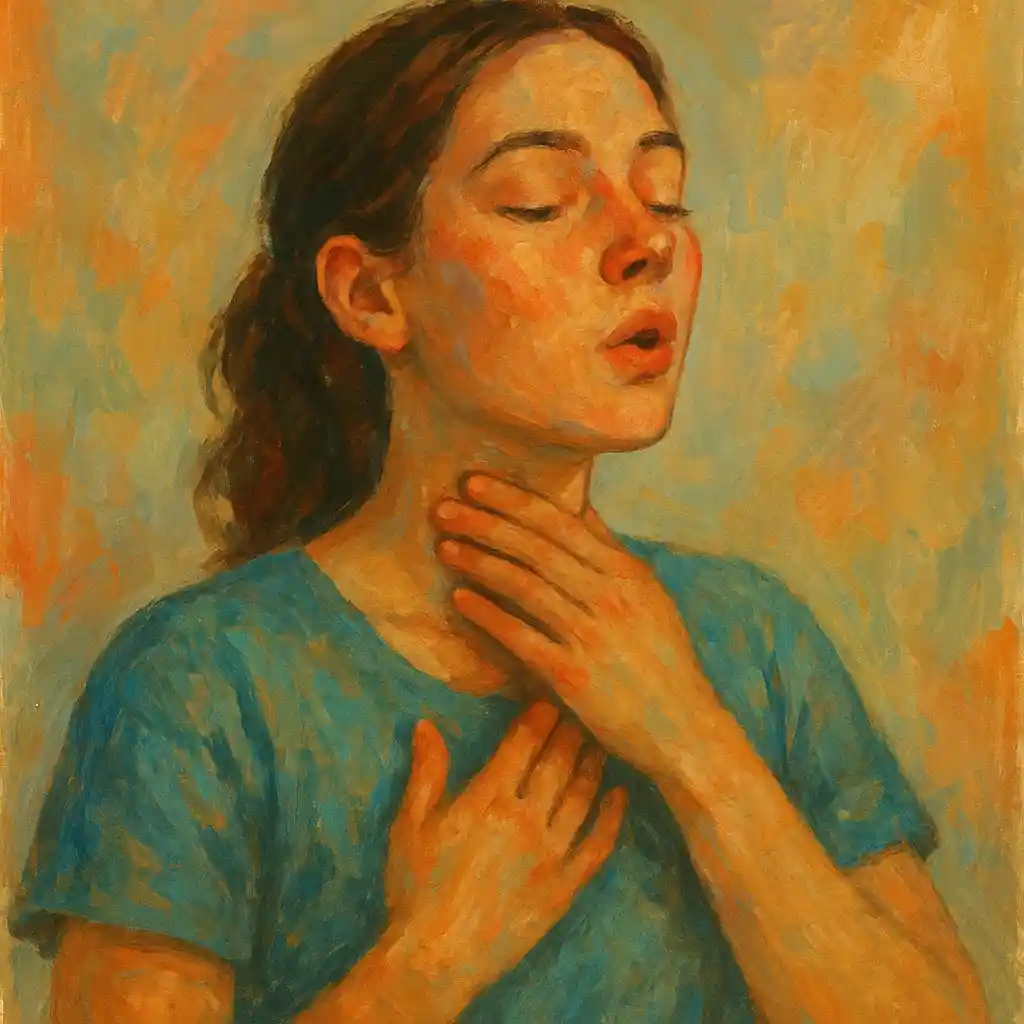
If you are a senior dealing with tight jaw muscles and a stiff, sore neck, you are not alone. Many older adults feel this discomfort when stress builds up, posture changes, or sleep is not restful. A gentle technique called 4 7 8 breathing can help you slow down, relax your body, and ease jaw and neck tension in a simple, natural way. You inhale for 4 counts, hold for 7, and exhale for 8. It takes only a few minutes and you can do it almost anywhere.
When your breathing slows down, your body often follows—jaw and neck muscles can soften, shoulders drop, and your whole system feels calmer.
In this guide, you will learn what jaw and neck tension looks like in seniors, why it happens, how 4 7 8 breathing works, and how to build it into your daily routine. You will also find extra gentle ideas like light stretching, heat and cold therapy, and mindfulness to support better comfort and well-being.
Understanding Jaw and Neck Tension in Seniors
Jaw and neck tension can feel like tightness, stiffness, soreness, or even a dull ache that does not fully go away. Some people notice they clench their teeth without realizing it. Others feel their neck is “stuck” when turning the head. For seniors, this can be especially frustrating because it may affect daily comfort and confidence.
Common causes of jaw and neck tension
Jaw and neck tension does not come from only one cause. Often, it is a mix of physical habits and emotional stress. Common causes include:
- Stress and worry that leads to jaw clenching and tight shoulders
- Poor posture (for example, leaning forward while reading or using a computer)
- Sleep habits such as clenching the jaw at night
- Daily routines that keep the neck in one position for too long
- Natural aging changes that can make muscles and joints feel stiffer
Even small stressors can show up in the body. You may not feel “stressed,” but your jaw might still tighten or your neck might still hold tension.
How jaw and neck tension can affect daily life
Ongoing jaw and neck tension can touch many parts of life. Seniors often report:
- Discomfort while chewing or speaking
- Headaches connected to tight jaw or neck muscles
- Poor sleep or waking up with stiffness
- Less comfort when driving, reading, or watching TV
- Feeling more tired or irritable because the body never fully relaxes
The good news is that calming the nervous system can help. That is where 4 7 8 breathing becomes a practical tool you can use anytime tension starts to build.
What Is 4 7 8 Breathing?
4 7 8 breathing is a simple breathing pattern:
- Inhale through the nose for a count of 4
- Hold the breath for a count of 7
- Exhale slowly through the mouth for a count of 8
This slow, steady rhythm helps many people shift out of “tension mode” and into a calmer state. It is easy to learn, does not require equipment, and can be done sitting or lying down.
Why this breathing pattern feels calming
When you feel stressed, breathing often becomes shallow and fast. The body may stay alert, and muscles—especially in the jaw, neck, and shoulders—can tighten. 4 7 8 breathing encourages slower breathing and a longer exhale, which many people find relaxing.
For seniors, this can be helpful because it offers a gentle way to support comfort without needing intense exercise or complicated steps.
How 4 7 8 Breathing Eases Jaw and Neck Tension
Jaw and neck tension often increases when the body is under stress. You might notice your jaw clenches, your shoulders rise, and your neck feels stiff. 4 7 8 breathing can help by guiding your attention to the breath and encouraging the body to relax.
Relaxation: calming the nervous system
One of the biggest benefits of 4 7 8 breathing is relaxation. As you follow the counts, you give your mind a simple focus. This can reduce stress and help your body move toward a calmer state. When the nervous system settles, many people notice their jaw loosens and their neck feels less tight.
Improved circulation: supporting muscle comfort
By breathing deeply and slowly, you bring more oxygen into the body. This can support circulation and may help muscles feel more comfortable and less “locked up.” When you are tense, muscles can feel tight and tired. A few slow breathing cycles can be a gentle reset.
Mindfulness: letting go of clenching habits
Many seniors clench the jaw without noticing—especially during stressful moments, while concentrating, or while watching TV. 4 7 8 breathing builds awareness. As you pay attention to your breath, you may also notice your jaw is tight, your tongue is pressed to the roof of your mouth, or your shoulders are raised.
That awareness matters, because you cannot change a habit you do not notice. Breathing practice can help you catch tension earlier and release it sooner.
Better sleep: easing tension before bedtime
Many people find 4 7 8 breathing helpful before sleep. If you go to bed with a tight jaw and stiff neck, you may wake up feeling worse. A short breathing session can help you unwind and settle down, which may support more restful sleep and less morning stiffness.
Step-by-Step: How to Do 4 7 8 Breathing Safely
You do not need special training to start 4 7 8 breathing. The goal is comfort, not perfection. If the counts feel too long at first, you can shorten them slightly and build up over time.
Detailed instructions for 4 7 8 breathing
- Sit comfortably in a chair with your back supported, or lie down if that feels better. Let your shoulders soften.
- Rest your tongue gently near the roof of your mouth (if comfortable). Let your jaw be loose.
- Inhale through your nose for a count of 4. Try to breathe into your belly, not just your chest.
- Hold your breath for a count of 7. Keep your face relaxed.
- Exhale through your mouth for a count of 8. Many people like to make a soft “whoosh” sound.
- Repeat for 3 to 4 cycles, or a few minutes if you feel good.
As you exhale, imagine the tension leaving your jaw, neck, and shoulders. You can also gently drop your shoulders on the exhale to encourage relaxation.
What you should feel during practice
During 4 7 8 breathing, you may notice:
- A calmer feeling in the chest and stomach
- Less tightness around the jaw
- A softer neck and lower shoulders
- A quieter mind, even if only for a moment
If you feel dizzy or uncomfortable, stop and breathe normally. Comfort is the priority.
4 7 8 Breathing for Jaw and Neck Tension: Tips for Seniors
Small habits make a big difference, especially when tension is frequent. The best results usually come from gentle, consistent practice.
Easy ways to add 4 7 8 breathing to your day
- In the morning: Do 3 cycles of 4 7 8 breathing before you start your day to set a calm tone.
- During tension moments: If you notice jaw clenching or a stiff neck, pause for 1–2 cycles.
- Before sleep: Practice 4 7 8 breathing in bed to relax and unwind.
- After screen time: If you use a computer, tablet, or phone, breathe for a minute afterward to release posture tension.
Pair breathing with a simple “jaw check”
Try linking 4 7 8 breathing with a quick body check:
- Is your jaw clenched?
- Are your teeth touching?
- Are your shoulders lifted?
- Is your neck pushing forward?
On each long exhale, let the lower jaw hang slightly and allow the tongue to rest. This can help break the clenching pattern.
Additional Techniques That Support Jaw and Neck Tension Relief
4 7 8 breathing can be a strong base tool, but it often works even better when combined with other gentle comfort habits. The goal is to help the muscles relax and reduce stress signals in the body.
Gentle neck stretches and movements (senior-friendly)
Gentle movement can help loosen stiffness. Move slowly and never force a stretch. You can try:
- Side tilt: Slowly tilt your head toward one shoulder, then return to center. Repeat on the other side.
- Slow turns: Turn your head gently to look left, return to center, then look right.
- Shoulder rolls: Roll shoulders up, back, and down in a slow circle.
For many seniors, doing one or two slow stretches after 4 7 8 breathing feels especially good because the muscles are already calmer.
Heat and cold therapy for muscle relaxation
Heat and cold can be simple tools for comfort:
- Heat (like a warm towel or heating pad) may help relax stiff muscles and reduce tightness.
- Cold (like a cold pack) may help numb soreness and reduce swelling or inflammation.
Some seniors like heat before bed for jaw and neck tension, especially if they clench at night. Others prefer cold after activity if the neck feels sore. Choose what feels best for you.
Mindfulness and meditation to reduce stress tension
Stress does not only live in the mind—it often shows up in the jaw, neck, and shoulders. Mindfulness practices can help you notice tension earlier and release it sooner.
A simple option is to combine mindfulness with 4 7 8 breathing:
- On the inhale, silently think: “I am breathing in.”
- On the long exhale, think: “I am letting go.”
This keeps your attention in the present moment and can reduce the mental “loop” that often feeds muscle tension.
Real-Life Examples: Seniors Using 4 7 8 Breathing for Jaw and Neck Tension
Many seniors find that 4 7 8 breathing is easy to use because it fits into real life. It can be done in a chair, in bed, or during a quiet break.
Simple testimonials shared by seniors
- Mary, 72: “I used to wake up with a stiff neck every morning, but since I started practicing deep breathing before bed, I’ve noticed a huge difference. My neck feels much looser and more relaxed.”
- John, 68: “I carry a lot of tension in my jaw from clenching my teeth, especially when I’m stressed. Deep breathing has helped me become more aware of this habit and has allowed me to release that tension more easily.”
These examples show a common theme: breathing does not “fix everything” instantly, but it can help seniors become more aware of tension and create a calmer daily pattern.
Case-style examples from senior routines
Some seniors find success by adding 4 7 8 breathing to a small daily routine:
- 10 minutes a day: Seniors who practice deep breathing for a short time daily often report less pain and more relaxation.
- Community routines: Seniors who add breathing to a regular routine may notice improved posture habits, reduced muscle tension, and better sleep quality over time.
The key is consistency and comfort. Even 3–4 cycles can be a helpful start.
Safety Precautions for Seniors Practicing 4 7 8 Breathing
4 7 8 breathing is gentle, but seniors should still use common sense and listen to the body. Your comfort and safety come first.
Talk with a healthcare provider when needed
Before starting any new relaxation technique, it is wise to consult with a healthcare provider—especially if you have medical conditions, ongoing pain, or concerns about breathing exercises. A provider can help you decide what is safe for your personal situation.
Modifications for mobility or respiratory issues
If you have mobility limits or respiratory issues, you can still try a softer version:
- Shorter counts: Try 3–5–6 instead of 4–7–8, then build up slowly if comfortable.
- Fewer rounds: Do 1–2 cycles, rest, then repeat later.
- Comfortable position: Sit with back support, feet on the floor, and shoulders relaxed.
You should never strain or force the breath hold. The goal is relaxation, not pushing your limits.
Signs you should seek medical attention
Jaw and neck tension is common, but some symptoms may need medical care. Consider seeking medical attention if you have:
- Persistent or worsening jaw or neck pain that does not improve with rest
- Difficulty opening or closing your mouth fully
- Clicking or popping sounds when moving your jaw
- Numbness or tingling in your face or neck
- Frequent or severe headaches
If any symptom worries you, it is always okay to ask for professional guidance.
Integrating 4 7 8 Breathing Into Daily Life (Without Stress)
The best part of 4 7 8 breathing is that it can fit into your life in a calm, simple way. You do not need a long session to feel benefits. Many seniors do best with small moments of practice across the day.
Create a simple relaxation routine
Here is one easy routine that supports jaw and neck comfort:
- Morning: 3 cycles of 4 7 8 breathing while seated
- Midday: A quick jaw and shoulder check + 1–2 cycles
- Evening: Gentle neck movement + 3 cycles before bed
This routine is short, realistic, and easy to repeat. If you miss a day, you can simply start again the next day.
Using technology and apps to support breathing practice
Some seniors like using a timer or a guided breathing app to stay consistent. If you enjoy technology, you can set a reminder for a daily breathing break. Apps like Calm or Headspace may help guide the pace so you do not need to count as much.
The main goal is not the app—it is the habit. A gentle reminder can make practice easier to keep.
Benefits of Consistent Practice With 4 7 8 Breathing
Like many wellness tools, 4 7 8 breathing works best when you use it regularly. Over time, your body may learn to relax more quickly. Seniors often notice benefits that go beyond jaw and neck comfort.
Long-term benefits for jaw and neck tension
- Less muscle tightness in the jaw, neck, and shoulders
- Better awareness of clenching and posture habits
- Improved relaxation during stressful moments
- More comfort in daily movement and rest
Improved overall well-being and quality of life
Seniors who practice breathing regularly often report feeling calmer, sleeping better, and handling daily stress more easily. When the body is less tense, it is easier to enjoy simple things—meals, conversations, hobbies, and time with family.
Just a few minutes of 4 7 8 breathing can be a daily act of self-care—small, steady, and powerful.
FAQs About 4 7 8 Breathing for Jaw and Neck Tension
How does 4 7 8 breathing help jaw and neck tension?
4 7 8 breathing helps you slow your breathing and focus your attention. This can calm the body, reduce stress, and encourage muscles in the jaw and neck to relax.
When is the best time to practice 4 7 8 breathing?
You can practice 4 7 8 breathing anytime—when tension builds, after stressful moments, during a quiet break, or before sleep.
How often should seniors do 4 7 8 breathing?
Many seniors start with 3–4 cycles once or twice a day. You can also do one quick cycle whenever you notice jaw clenching or neck tightness. Consistency matters more than long sessions.
Can 4 7 8 breathing help with general stress too?
Yes. While this article focuses on jaw and neck tension, 4 7 8 breathing is also commonly used for relaxation, stress relief, and winding down at night.
Conclusion: A Gentle, Practical Way to Ease Jaw and Neck Tension
Jaw and neck tension can make daily life harder, especially for seniors who want to stay comfortable and active. 4 7 8 breathing is a simple technique that supports relaxation, improves awareness of clenching, and may help you sleep better. With a few calm minutes each day, you can give your body a chance to soften and reset.
If you found this helpful, explore more of our self-care guides for seniors and build a small daily routine that supports comfort—starting with your next slow breath.