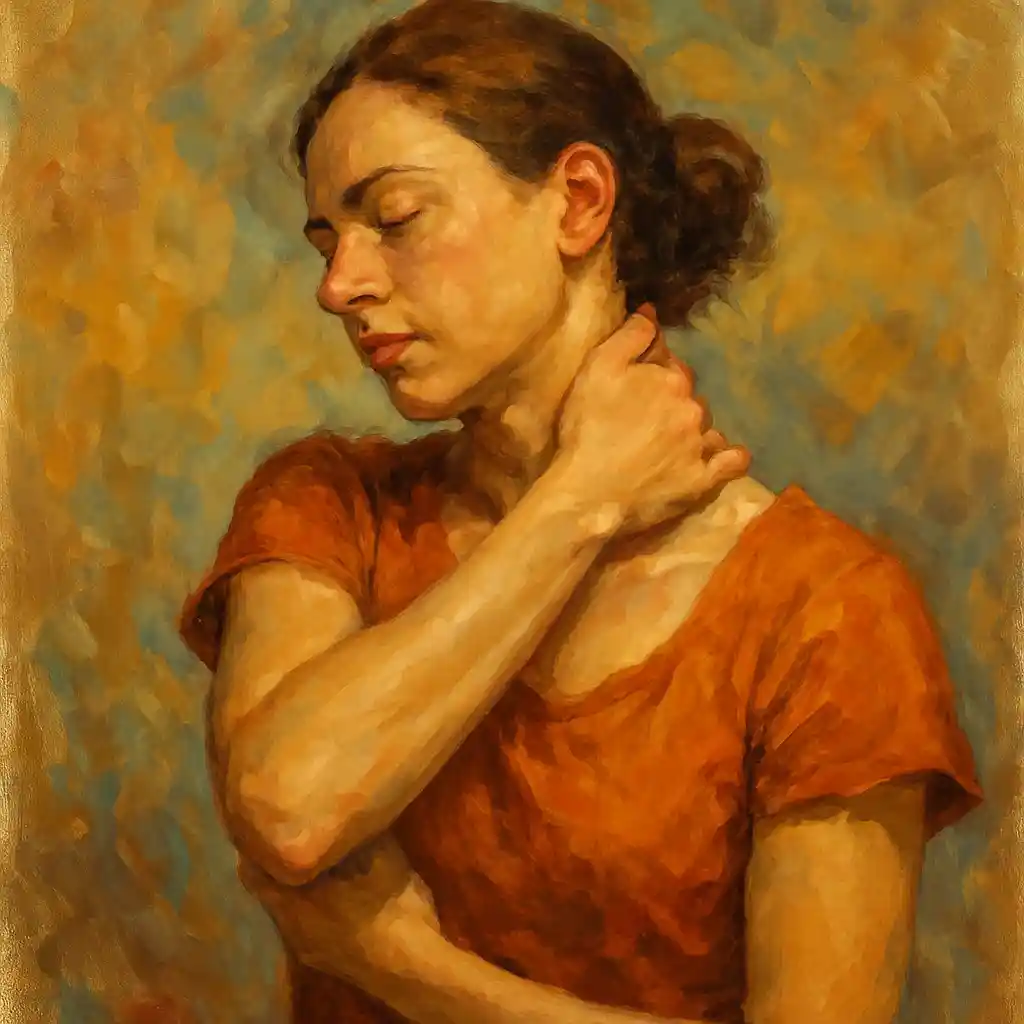
If you are dealing with a tight, stiff, or sore neck, you already know how much it can affect your day. Turning your head can feel difficult, driving can feel unsafe, and even resting can be uncomfortable. The good news is that a simple self-care technique may help: the GB 21 Jianjing acupressure point for neck tension. This point sits on the top of the shoulder area, where many people hold stress. With gentle, steady pressure, many seniors find it helps release tension and support easier movement.
GB 21 Jianjing acupressure point for neck tension is a simple technique you can try at home to help relax the neck and shoulder area when stiffness builds up.
Why Neck Tension Happens (Especially for Seniors)
Neck tension is common at any age, but seniors often feel it more strongly. The neck and shoulder area can become sensitive over time, and small daily habits can add up. When the muscles stay tight for hours, the neck may feel stiff, sore, or limited in movement.
Common causes of neck tension in seniors
Several everyday factors can lead to neck tension and discomfort:
- Poor posture (for example, leaning forward while reading or using a computer)
- Muscle strain from repetitive movements or lifting
- Arthritis and age-related joint changes that can increase stiffness
- Stress that causes the shoulders to rise and tighten without noticing
- Sleeping in an uncomfortable position that strains the neck overnight
How neck tension can affect daily life
Neck tension is not only annoying—it can affect your independence and comfort. It may make it harder to:
- Turn your head while walking, driving, or backing up a car
- Work at a desk or use a phone without pain
- Sleep well, especially if you cannot find a comfortable position
- Relax, because the body stays in a “tight” state
This is why many people look for gentle self-care options. The GB 21 Jianjing acupressure point for neck tension is popular because it is easy to find and does not require special equipment.
What Is the GB 21 Jianjing Acupressure Point for Neck Tension?
GB 21 (also called Jianjing) is an acupressure point used in traditional Chinese medicine. It is located on the top of the shoulder area, close to where the neck and shoulder meet. This spot is well known because it is a common place where people hold tension.
Where GB 21 Jianjing is located
The GB 21 Jianjing point is on the highest part of the shoulder muscle, about halfway between:
- the base of the neck, and
- the tip of the shoulder
When you press around this area, you may find a spot that feels more tender than the surrounding muscle. That tender spot is often the place people focus on for the GB 21 Jianjing acupressure point for neck tension.
A short note on traditional use
In traditional Chinese medicine, GB 21 Jianjing has been used to support relaxation and help release built-up tightness in the neck and shoulder area. Many people use it as a simple technique to feel looser and more comfortable.
How the GB 21 Jianjing Acupressure Point for Neck Tension May Help
When you apply gentle pressure to a tight area, it can feel like a focused massage. Many people report that pressing GB 21 helps the shoulder muscles soften, which can reduce the pulling feeling around the neck. The goal is not to force the muscle, but to encourage it to relax.
What happens when you stimulate GB 21
Based on common acupressure practice, stimulating GB 21 may support neck comfort in several ways:
- Promotes relaxation in the neck and shoulder muscles
- Supports circulation in the area, which can feel soothing when muscles are tight
- May help reduce discomfort by encouraging the body’s natural calming response
- May improve mobility by easing tightness that limits movement
For seniors, these benefits can be especially helpful because gentle techniques are often easier to use consistently. The GB 21 Jianjing acupressure point for neck tension can be done in a chair, in bed, or during a short break in the day.
How to Locate the GB 21 Jianjing Acupressure Point for Neck Tension (Step by Step)
Finding the right spot is important. You do not need perfect accuracy, but you do want to be in the correct general area on the shoulder muscle.
Simple step-by-step location guide
- Sit comfortably in a chair with your back straight, or stand with relaxed posture.
- Relax your shoulders and let them drop down (do not tense them up).
- Find the base of your neck where the neck meets the shoulders.
- Find the tip of your shoulder (the bony area at the outer end).
- Move to the halfway point between those two places, on top of the shoulder muscle.
- Press gently and search for a spot that feels tender or tight. This is often GB 21 Jianjing.
If you are unsure, you can explore the area slowly. Many people naturally find it because it is a common tension spot.
Tips for accurate and comfortable pressure
- Use steady pressure, not sharp poking.
- Stay on the muscle at the top of the shoulder, not on the bone.
- Adjust the pressure so it feels “good pain” or mild tenderness, not strong pain.
- Keep breathing slowly to help your body relax.
Best Ways to Stimulate the GB 21 Jianjing Acupressure Point for Neck Tension
You can stimulate GB 21 in more than one way. Start gently, especially if your neck and shoulders are very sensitive. Over time, you may learn what pressure level works best for you.
Beginner technique: gentle massage
This is a simple approach for most seniors and beginners:
- Sit comfortably and relax your shoulders.
- Place your fingertips on the GB 21 area on one shoulder.
- Apply firm but gentle pressure.
- Make small circular motions for about 1–2 minutes.
- Take slow, deep breaths while you massage.
- Repeat on the other shoulder if needed.
This method often feels like a targeted shoulder massage. Many people notice the area feels warmer or looser afterward.
Advanced technique: steady hold with slow breathing
If circular massage feels too strong, or if you prefer a calmer method, try a steady hold:
- Locate GB 21 on the shoulder muscle.
- Press and hold steady pressure for 30–60 seconds.
- Breathe slowly: inhale through the nose, exhale gently.
- Release slowly, rest a few seconds, and repeat once more if comfortable.
This can be a good option when you want to relax without “working” the muscle too much.
DIY technique without tools (easy at home)
You do not need special tools for the GB 21 Jianjing acupressure point for neck tension. A simple DIY method is:
- Sit or stand with good posture.
- Use your fingertips or knuckles to press the tender spot on the top of the shoulder.
- Hold for 30 seconds to 1 minute.
- Repeat during the day when tension builds up.
Safety Precautions for GB 21 Jianjing Acupressure Point for Neck Tension
Acupressure is usually gentle, but safety matters—especially for seniors or anyone with health conditions. If you are unsure, it is always wise to speak with a healthcare provider first.
Talk to a healthcare provider first
Before starting acupressure, consider a quick check-in with a healthcare professional, especially if you:
- have ongoing or severe neck pain
- have a diagnosed condition affecting your neck, shoulders, or nerves
- take medications or have concerns about circulation or blood pressure
A provider can help you decide if acupressure fits your situation and can also suggest other supportive options.
When GB 21 should be avoided
According to the draft information, there are specific situations where you should avoid pressing GB 21:
- History of heart conditions
- Epilepsy
- High blood pressure
- Pregnancy
- Open wounds in the area
- Skin infections in the area
If any of these apply to you, do not use this point unless a qualified healthcare professional tells you it is safe.
Using the GB 21 Jianjing Acupressure Point for Neck Tension in a Daily Routine
One of the biggest benefits of this technique is that it is simple enough to do regularly. Small, consistent habits often work better than doing a lot once in a while.
Morning routine for stiffness
Many people wake up with neck stiffness. A short routine can help you start the day more comfortably:
- Sit on the edge of your bed or in a chair.
- Find GB 21 on one shoulder.
- Massage in small circles for 1–2 minutes.
- Switch sides.
- Finish with two or three slow breaths while relaxing your shoulders.
This is a simple way to check in with your body and reduce tightness early.
Evening routine to release daily stress
Shoulders often hold stress from the day. In the evening, try:
- Press and hold GB 21 for 30–60 seconds on each side.
- Keep your jaw relaxed and your shoulders down.
- Breathe slowly and allow the muscles to soften.
This can be a calming end-of-day habit, especially if neck tension affects your sleep comfort.
Quick daytime tips (when tension shows up)
If you feel tension building during the day, use a quick version of the GB 21 Jianjing acupressure point for neck tension technique:
- Take a short break from what you are doing (computer, phone, reading).
- Press GB 21 for 30 seconds.
- Roll your shoulders gently backward once or twice.
- Return to your activity with improved posture.
Complementary Practices to Support Neck Relief
Acupressure can work even better when you also support your neck with gentle movement and healthier daily habits. The goal is to reduce the reasons tension keeps returning.
Neck stretches and exercises (gentle options)
These simple movements can complement the GB 21 Jianjing acupressure point for neck tension:
- Side tilt: Slowly tilt your head toward one shoulder, then the other.
- Shoulder rolls: Roll shoulders backward gently to reduce tightness.
- Neck rotations: Turn your head slowly left and right within a comfortable range.
- Chin tucks: Gently pull the chin back (like making a “double chin”) to support neck posture.
Move slowly, breathe normally, and stop if you feel pain. These are meant to be gentle and supportive.
Lifestyle changes to prevent recurring tension
To help prevent neck tension from coming back again and again, focus on simple daily habits:
- Improve posture when sitting or using a device
- Take short breaks to move your shoulders and neck during the day
- Stay hydrated to support overall muscle function
- Get enough rest so muscles recover
- Manage stress because stress often shows up in the shoulders
Even small changes can make the GB 21 Jianjing acupressure point for neck tension more effective over time.
Tools and Accessories (Optional) for GB 21 Jianjing Acupressure
You can do acupressure with your hands, but some people like tools for easier pressure or better reach. Tools are optional, not required.
Recommended tools mentioned in the draft
- Acupressure mats (small spikes that stimulate points when you lie on them)
- Acupressure pillows (can be placed under the neck/shoulder area for targeted pressure)
- Acupressure massage tools like balls or rollers (help apply pressure more easily)
If you use tools, keep the pressure gentle at first. The goal is comfort and relaxation, not strong pain.
Long-Term Benefits of Regular GB 21 Jianjing Acupressure Point for Neck Tension
Many seniors like this technique because it is simple and repeatable. With regular practice, you may notice changes not only in pain levels, but also in how your body feels during normal movement.
Improved mobility and flexibility over time
When the shoulder and neck muscles are less tight, it can feel easier to:
- turn your head with less stiffness
- look over your shoulder more comfortably
- keep better posture without feeling strained
Even small improvements in mobility can make daily tasks feel safer and more enjoyable.
Overall well-being support
Consistent acupressure practice may also support general comfort by:
- helping the body relax
- reducing the stress response that can tighten muscles
- supporting better sleep comfort when done as part of an evening routine
Consistency is key. A few minutes of gentle work on the GB 21 Jianjing acupressure point for neck tension can be easier to maintain than longer, occasional sessions.
Real-Life Experiences and Reported Results
The draft includes repeated mentions of seniors who report feeling relief and improved range of motion after using GB 21. Many describe a sense of “release” in the shoulder area and less stiffness when turning the head. While everyone is different, these shared experiences are one reason this point is often recommended as a simple at-home technique.
What seniors often report noticing
- less tightness across the top of the shoulders
- easier head turning with less discomfort
- a feeling of relaxation spreading through the neck and shoulders
If you try the GB 21 Jianjing acupressure point for neck tension, pay attention to small changes. Relief may feel immediate, or it may build gradually with daily practice.
FAQs About the GB 21 Jianjing Acupressure Point for Neck Tension
How long should I press GB 21?
A common approach is 30 seconds to 1 minute per side, or gentle circular massage for 1–2 minutes. You can repeat as needed during the day, as long as it stays comfortable.
Should it hurt when I press the point?
It may feel tender, especially if the area is very tight. But it should not feel sharply painful. Reduce pressure if it feels too strong.
Can GB 21 help with headaches related to neck tension?
The draft notes that stimulating GB 21 may help alleviate headaches caused by neck tension. If headaches are frequent or severe, it is best to speak with a healthcare provider.
Is this technique complicated?
No. The GB 21 Jianjing acupressure point for neck tension is popular because it is easy to locate and simple to do at home. The main focus is gentle pressure, slow breathing, and consistency.
Conclusion: A Simple Shoulder Point That Can Make a Big Difference
Neck stiffness and shoulder tightness can limit comfort, movement, and confidence—especially for seniors. The GB 21 Jianjing acupressure point for neck tension offers a simple, gentle method to help release built-up tightness and support better mobility. Start slowly, follow the safety precautions, and consider making it part of your morning or evening routine. If you found this helpful, explore our other self-care guides on gentle mobility and daily comfort routines to support your neck and shoulders long term.