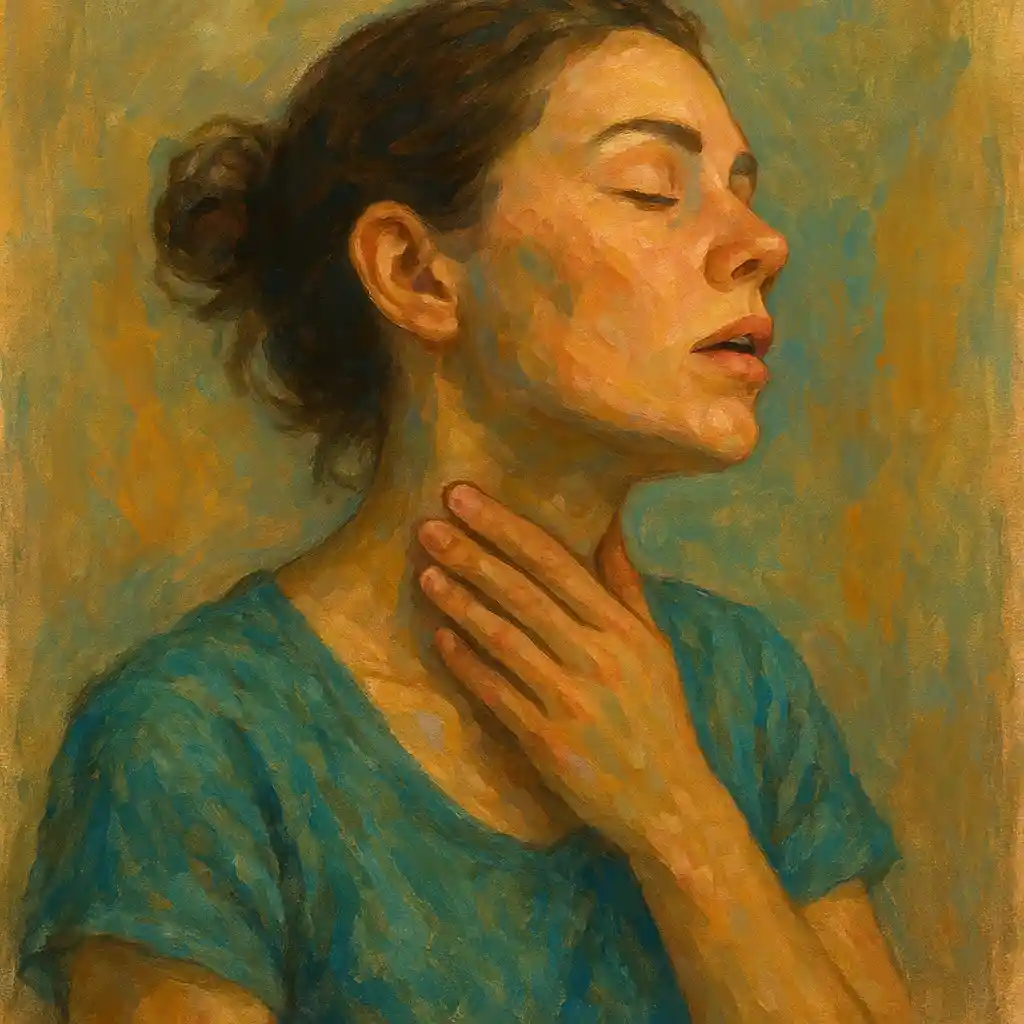
If you wake up with a stiff neck, a tight jaw, or shoulders that feel “stuck,” you are not alone. Many seniors deal with this kind of discomfort, especially during stressful times or after a poor night’s sleep. The good news is that the 4 7 8 breathing technique is a simple, gentle tool you can use almost anywhere to help your body relax. In just a few minutes, this steady breathing pattern can help calm your nervous system and ease jaw and neck tension.
The 4 7 8 breathing technique is a short, structured breathing exercise that helps your body shift from stress to calm—often reducing tightness in the jaw and neck.
In this article, you’ll learn what jaw and neck tension is, why it happens so often, and how the 4 7 8 breathing technique can fit into your daily routine in a safe, comfortable way.
Why Jaw and Neck Tension Happens (Especially for Seniors)
Jaw and neck tension can feel like tight bands around your face and throat, stiffness at the base of the skull, or soreness when you turn your head. For some people, it shows up as jaw clenching, teeth grinding, or a feeling that the neck muscles never fully “let go.”
As we age, our bodies can become more sensitive to stress, posture changes, and daily strain. That does not mean you have to accept constant tension as “normal.” Understanding common causes is the first step toward relief.
Common causes of jaw and neck tension in seniors
Jaw and neck tightness can come from several everyday factors. In the draft, these common causes were highlighted:
- Poor posture (especially during sitting)
- Stress and feeling overwhelmed
- Arthritis and joint stiffness
- Dental issues that affect how the jaw rests
- Dehydration, which can contribute to muscle tightness
Often, more than one factor is involved. For example, stress can lead to jaw clenching, and jaw clenching can make neck muscles work harder. This is one reason the 4 7 8 breathing technique can help: it targets stress and body tension at the same time.
How chronic tension can affect overall well-being
When tension becomes a daily habit, it can affect more than just comfort. Chronic tightness can make it harder to enjoy normal activities, reduce your sense of ease in your body, and leave you feeling tired or irritable. Many people also notice that tension is worse in the morning, especially after a night of poor sleep.
That’s why it matters to address jaw and neck tension early and gently. A short breathing practice may not solve every cause, but it can be a powerful part of your self-care routine.
Why addressing tension improves quality of life
When your jaw and neck feel more relaxed, daily life often feels easier. Turning your head, looking down to read, chewing, speaking, and even resting can become more comfortable. Seniors who build simple relaxation habits often report a greater sense of well-being and calm.
What the 4 7 8 Breathing Technique Is (Simple Overview)
The 4 7 8 breathing technique is a structured breathing pattern that you repeat for a few cycles. It is easy to learn and does not require special equipment. You simply follow a rhythm:
- Inhale quietly through your nose for 4 seconds
- Hold your breath for 7 seconds
- Exhale slowly and completely through your mouth for 8 seconds
This pattern encourages slower breathing and helps many people feel calmer in the moment. In the draft, it was also described as a helpful practice for stress relief, relaxation, and better sleep—especially when used consistently.
How the 4 7 8 breathing technique supports relaxation
When you are stressed, breathing often becomes shallow and quick. That can signal the body to stay “on alert,” which may increase muscle tension—especially in areas like the jaw, neck, and shoulders. The 4 7 8 breathing technique gently slows your breathing down and creates a steady rhythm. Many people find that, as the breath slows, the body follows.
How it builds mindfulness and body awareness
Another benefit is simple but important: this breathing pattern helps you notice what your body is doing. You may realize your jaw is clenched, your tongue is pressing hard against the roof of your mouth, or your shoulders are raised. Once you notice these habits, it becomes easier to release them.
How the 4 7 8 Breathing Technique Helps Jaw and Neck Tension
Jaw and neck tension is often connected to stress, anxiety, and the way your body responds to pressure. The draft explained a clear link between breathing patterns and muscle tension: shallow, stressed breathing can increase tightness, while deeper, slower breathing can support relaxation.
The link between breathing patterns and muscle tension
When your breathing is short and tight, many muscles stay slightly “switched on.” Over time, that can show up as jaw clenching, neck stiffness, and shoulders that creep up toward the ears. The 4 7 8 breathing technique helps by encouraging a slower, more controlled breath. This can support a calmer body response and help tense muscles soften.
How stress and anxiety contribute to clenching and tightness
Stress and anxiety can cause the jaw to tighten without you noticing. Some people clench during the day; others clench at night. Stress can also make neck muscles tense, which can lead to discomfort and reduced mobility. The 4 7 8 breathing technique is often used as a quick calming tool, which may help reduce these stress-driven tension patterns.
Why mindful breathing can help release tension
Mindful breathing gives you a pause. Instead of pushing through discomfort, you take a moment to breathe, reset, and relax. This is not about forcing your muscles to “stop” being tense. It is about giving your body a safe signal that it can unwind.
Step-by-Step: How to Practice the 4 7 8 Breathing Technique Safely
You can practice the 4 7 8 breathing technique sitting in a chair, resting on a couch, or lying down. Choose the position that feels best for your body.
1) Find a comfortable position
Sit upright with your back supported, or lie down if that feels better. Let your shoulders drop away from your ears. If you are sitting, place your feet flat on the floor if possible.
2) Place your tongue gently (optional but helpful)
In the draft, a helpful detail was included: place the tip of your tongue against the ridge of tissue behind your upper front teeth. Keep it there during the breathing cycle if it feels comfortable. This can help some people keep the mouth position steady during the exhale.
3) Follow the 4-7-8 pattern
- Inhale quietly through your nose for a count of 4.
- Hold your breath for a count of 7.
- Exhale slowly and completely through your mouth for a count of 8. The draft described an audible exhale as an option.
Repeat the cycle a few times. As you do, keep your attention on the rhythm. If your mind wanders, that is normal—just return to the counting.
4) How many cycles should you do?
The draft recommended a clear starting point: at least 4 cycles, twice a day, to experience the full benefits. You can start with fewer cycles if needed and build up gradually as you feel more comfortable.
Tips for keeping a steady breathing rhythm
- Go at your own pace. If the counts feel too long at first, shorten them slightly while keeping the same pattern.
- Relax your face. Let the lips be soft and the teeth slightly apart.
- Keep the shoulders down. If you notice them lifting, gently drop them as you exhale.
- Focus on smoothness, not perfection. A calm, steady breath matters more than exact timing.
Using the 4 7 8 Breathing Technique in Daily Life (Morning, Midday, Evening)
The 4 7 8 breathing technique works best when it becomes part of your routine. You do not need long sessions. Even a few minutes can help you feel more settled and less tense.
Morning: start the day with calmer muscles
Many seniors wake up with stiffness in the neck and jaw. Practicing the 4 7 8 breathing technique soon after waking can help you start the day with a calmer body. Sit comfortably, do a few cycles, and notice if your jaw unclenches or your neck feels a little looser.
Midday: a quick reset when stress builds
Stress often builds quietly during the day. You may not notice until your jaw feels tight or your neck starts to ache. A short midday break with the 4 7 8 breathing technique can help you reset. It is a simple way to pause, breathe, and release tension before it gets stronger.
Evening: wind down before bed
The draft emphasized that this breathing pattern can support better sleep. Many people hold tension all day and only notice it at night. Practicing the 4 7 8 breathing technique before bed can help the body relax and may reduce the chance of waking with a stiff neck.
Benefits of the 4 7 8 Breathing Technique for Jaw and Neck Tension
When you practice regularly, the 4 7 8 breathing technique can support several helpful changes. The draft highlighted key benefits that seniors often care about most: relaxation, stress relief, improved circulation, better posture awareness, and better overall well-being.
Relaxation of jaw muscles through controlled breathing
Jaw tension often comes from unconscious clenching. Controlled breathing gives you a chance to notice that clenching and soften it. Over time, this can make the jaw feel less tight and more comfortable.
Reduced stress and anxiety that contribute to tension
Stress and anxiety can show up in the body as tight muscles. The 4 7 8 breathing technique is a practical tool to calm the mind, which can also reduce the physical signs of stress—like jaw and neck tightness.
Improved blood circulation and oxygen flow to neck muscles
The draft noted that deep breathing increases oxygen flow and supports better circulation. When your breathing is deeper and slower, the body can feel more supported and less “locked up,” especially in tight areas like the neck.
Better posture awareness
Many people tense their neck because of posture habits, especially while sitting. Breathing practice builds body awareness. Once you notice your posture more often, it becomes easier to make small adjustments—like relaxing the shoulders or lengthening the neck.
Enhanced overall well-being
When you feel calmer and less tense, daily life often feels more manageable. Seniors who practice the 4 7 8 breathing technique regularly often describe feeling more at ease and more comfortable in their bodies.
Real-Life Example: Mary’s Experience with the 4 7 8 Breathing Technique
Mary is a vibrant senior who struggled with jaw and neck tension. Like many people, she carried stress in her body, and it showed up as stiffness and discomfort. When she tried the 4 7 8 breathing technique, she noticed something important: as she followed the inhale-hold-exhale rhythm, her neck started to feel less tight.
Mary began practicing while sitting comfortably in her favorite chair. She closed her eyes, inhaled quietly through her nose for 4, held for 7, and exhaled slowly for 8. With each cycle, she felt more calm. Over time, she started to include the breathing exercise as part of her daily routine, especially when she noticed tension building.
Mary’s simple change was consistency: a few minutes of the 4 7 8 breathing technique each day helped her feel calmer and less tense.
Mary’s story is a reminder that small, gentle practices can still make a meaningful difference.
Safety Precautions for the 4 7 8 Breathing Technique
The 4 7 8 breathing technique is simple, but your comfort and safety come first. The draft included several smart precautions that are worth taking seriously.
Consult your healthcare provider first
Before starting any new breathing exercises, it is wise to consult a healthcare provider—especially if you have medical conditions or concerns. A quick conversation can help you feel confident that this practice is a good fit for you.
Adjust the pattern to your comfort level
If the counts feel too long at first, shorten them. You can still follow the same idea (inhale, hold, exhale) without forcing your body. The goal is relaxation, not strain.
Signs you should stop or modify your practice
Listen to your body. The draft listed clear signs to watch for:
- Feeling light-headed or dizzy during or after breathing exercises
- Experiencing increased jaw or neck pain instead of relief
- Struggling to maintain the pattern consistently
- Noticing a rapid or irregular heartbeat while practicing
If any of these happen, pause and rest. You can also try fewer cycles, shorter counts, or a gentler breathing pace. If you are unsure, check in with a healthcare professional.
Combine the 4 7 8 Breathing Technique with Other Relaxation Tools
The 4 7 8 breathing technique can be even more helpful when paired with other gentle relaxation practices. The draft suggested several options that fit well with breathing.
Gentle neck stretches
Light stretching can complement breathing by helping tight muscles release. Keep stretches slow and comfortable. You can also link a gentle movement to the breath, such as relaxing deeper into the stretch during the exhale.
Mindfulness meditation
Mindfulness meditation can enhance relaxation and stress relief. Even a short session—sitting quietly and focusing on the breath—can help reduce the mental stress that often drives jaw and neck tension.
Progressive muscle relaxation
Progressive muscle relaxation is a method where you tense and then relax muscle groups one at a time. The draft suggested starting with the jaw and neck, then moving through the shoulders, arms, and back. This can be a helpful way to notice where you hold tension and practice letting it go.
Track Your Progress: Notice What Changes in Your Jaw and Neck
It can be motivating to see your progress over time. The draft suggested tracking jaw and neck tension so you can understand what helps most.
Keep a simple journal
Before you do the 4 7 8 breathing technique, write down how your jaw and neck feel. After your breathing session, write down what changed. You can keep it very simple, like rating your tension from 1 to 10.
Note improvements in jaw mobility and comfort
Pay attention to daily activities: chewing, speaking, turning your head, or looking down. Over time, you may notice more comfort and easier movement.
Adjust based on feedback from your body
Your body gives clear signals. If you feel calmer and looser, keep going. If you feel strain, reduce the counts or the number of cycles. The best breathing practice is one you can do comfortably and consistently.
Conclusion: A Simple Breath Can Make a Real Difference
The 4 7 8 breathing technique is a simple, effective way for seniors to ease jaw and neck tension, reduce stress, and support relaxation. With a few steady cycles each day, you may notice your jaw unclenching, your neck softening, and your mind feeling calmer. Try it in the morning, during a midday break, or before bed, and let your body learn what relaxation feels like again.
If you found this helpful, explore more of our practical self-care guides on the site and choose one small relaxation habit to practice this week.