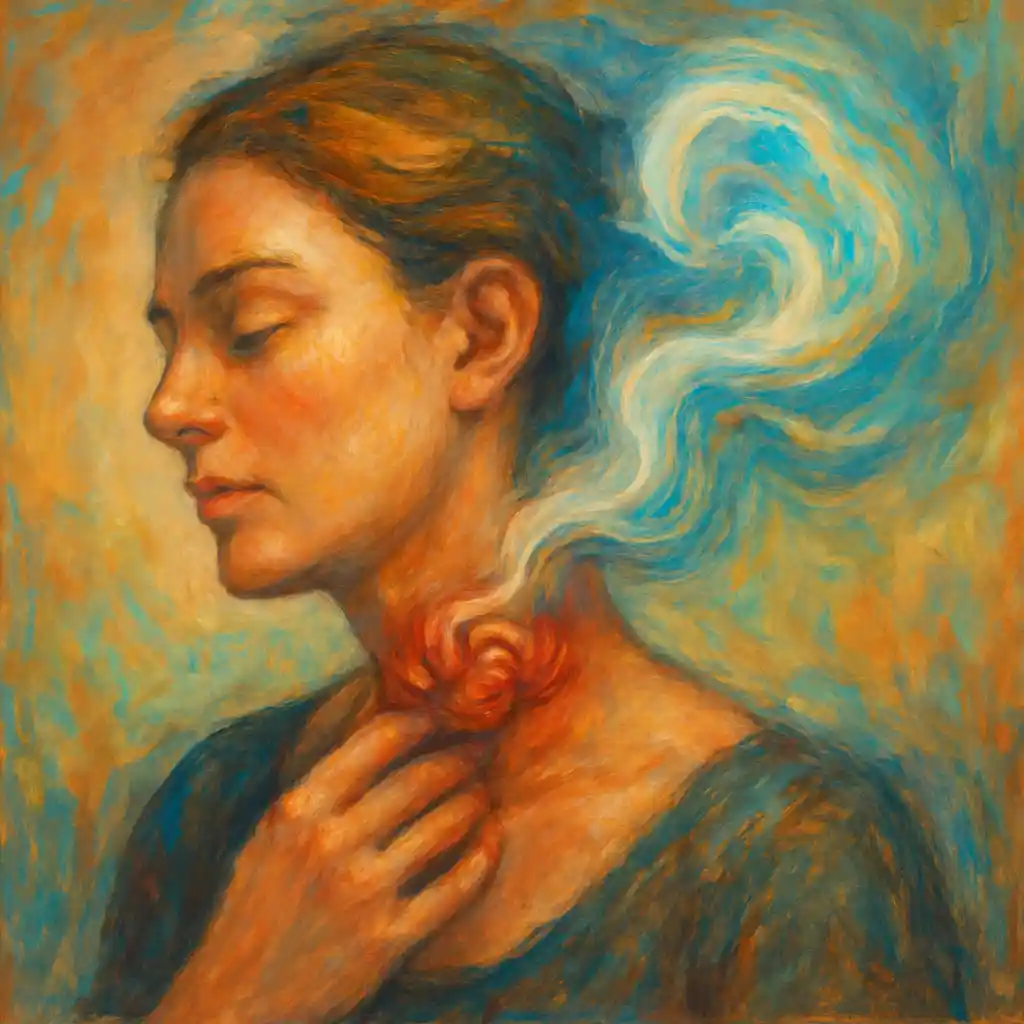
Neck knots can make simple things feel hard: turning your head, reading, cooking, driving, or even sleeping. If you are tired of that tight, stuck feeling, mindfulness visualization for neck knots offers a gentle, practical way to relax your body and calm your mind at the same time. This post will show you how to use breath and imagery to help your neck and shoulders soften—especially if stress, poor posture, or daily habits keep bringing the tension back.
When you pair slow breathing with clear mental imagery, you give your nervous system a signal: “It is safe to relax.”
You do not need special equipment. You do not need to be “good at meditation.” You only need a few minutes and a willingness to practice.
Why neck knots feel so stubborn (especially as we get older)
Many people describe neck knots as small, painful “balls” in the muscles. They can feel tight, sore, and sensitive to touch. These knots are often linked to muscle tension, also called spasms or trigger points. They can show up after stress, long periods of sitting, or holding your head in one position for too long.
Common causes of neck knots
- Poor posture (for example, leaning forward while reading or using a phone)
- Stress and worry that makes the shoulders lift and the jaw tighten
- Overuse of electronic devices and long screen time without breaks
- Not enough movement during the day
- Holding tension in the shoulders, jaw, and upper back without noticing
You probably know the feeling: you wake up and your neck is stiff, or you end the day with a heavy ache across your shoulders. For seniors, these patterns can become more common because daily routines may include more sitting, more careful movement, and sometimes more stress about health or pain.
How neck knots affect physical and mental well-being
Neck knots do not only hurt. They can also affect your mood and energy. Ongoing tension can lead to:
- Reduced mobility and less confidence in movement
- Disrupted sleep due to discomfort
- Headaches or a heavy feeling in the head and neck area
- More anxiety because pain can make the body feel “on alert”
- Less enjoyment of hobbies like gardening, reading, or crafts
The good news is that relaxing the mind can help relax the body. That is where mindfulness visualization for neck knots fits in.
What is mindfulness visualization for neck knots?
Mindfulness visualization for neck knots is a simple practice where you focus on your breath and imagine a calming image that supports relaxation in your neck and shoulders. Mindfulness means paying attention to the present moment. Visualization means using your imagination on purpose.
Together, they help you notice tension, soften it, and respond with calm instead of frustration. You are not “pretending” the pain is not there. You are learning to meet it with a steadier nervous system and a more relaxed body.
Why visualization can help with neck tension
When you feel stressed, your body often tightens without asking you. Shoulders rise. Breathing becomes shallow. The neck muscles work harder. Visualization helps you send a different message to the body: slow down, release, soften.
Many people find that when they picture warmth, light, or gentle movement in the tense area, their muscles respond by letting go little by little. This is also why breathing is so important—breath and muscle tension are closely connected.
The mind-body connection: how your thoughts change pain perception
Your neck sends signals to your brain through nerves. Your brain then decides how strong the pain feels and how much attention it needs. Stress, fear, and racing thoughts can make pain feel bigger. Calm attention can make pain feel more manageable.
This does not mean the pain is “all in your head.” It means your mind and body work together. When you practice mindfulness, you train your mind to respond with less panic and more control. That can reduce muscle tension and support comfort.
How mindfulness supports relaxation in the neck
- It increases awareness so you notice tension earlier (before it becomes a strong knot).
- It slows breathing, which helps the body shift into a calmer state.
- It reduces stress, a common cause of shoulder and neck tightness.
- It encourages gentle movement instead of stiff, guarded movement.
Mindfulness visualization for neck knots: a simple 5-minute exercise
This is the core practice from the draft, cleaned up and easy to follow. You can do it in a chair or lying down. Try it once, then repeat daily for the best results.
Step-by-step: “Warm light melting the knot”
- Get comfortable. Sit with your feet on the floor, or lie down with support under your head if needed.
- Close your eyes or soften your gaze.
- Breathe in slowly through your nose. Feel your chest and belly expand.
- Exhale slowly through your mouth (or nose). Let your shoulders drop a little.
- Visualize a warm, soothing light near the base of your neck and across your shoulders.
- With each exhale, imagine the warm light melting tension like gentle heat melting ice.
- Picture the knot loosening, unraveling, and spreading out into soft, relaxed muscle.
- Continue for 3–5 minutes. If your mind wanders, return to the breath and the warm light.
Try this once in the morning and once in the evening for a week. Many people notice they move more easily after just a few sessions, even if the knot is not fully gone yet.
Helpful reminder if you feel stuck
If you cannot “see” images clearly, that is normal. Visualization can also be a feeling, a word, or a simple idea—like “warmth,” “softness,” or “space.” The goal is relaxation, not perfect mental pictures.
Mindfulness visualization for neck knots: deep breathing that releases tension
Mindfulness visualization for neck knots works best when your breathing is slow and steady. Deep breathing is one of the fastest ways to tell the body to relax.
A gentle breathing pattern to try
- Inhale slowly through your nose.
- Pause for a brief moment (only if comfortable).
- Exhale slowly and fully.
- As you exhale, imagine tension leaving your neck and shoulders.
You probably know the feeling when your neck is so tight that even turning your head feels difficult. In those moments, do not force a big stretch. Start with breath first. Often, the muscles soften enough that gentle movement becomes easier.
Mindfulness visualization for neck knots: body scan meditation to find the tight spots
A body scan is a mindful check-in with different parts of your body. It helps you notice where you are holding tension—sometimes without realizing it. For neck knots, this is very useful because the tension may start in the jaw, shoulders, or upper back.
Simple body scan for the neck and shoulders
- Close your eyes and take a few slow breaths.
- Bring attention to your forehead and jaw. Let them soften.
- Move attention to your shoulders. Notice if they are lifted.
- Bring attention to the back of your neck. Notice tightness, heat, or soreness.
- On each exhale, invite that area to relax by 5%.
This is not about “fixing” the body with force. It is about noticing and allowing release. Over time, this awareness can help prevent neck knots from building up again.
Guided imagery for pain relief: build a calm place in your mind
Guided imagery is another form of mindfulness visualization for neck knots. You imagine a peaceful scene and let your body respond to that calm. Many people like a beach, a garden, or a quiet forest.
A short guided imagery script you can use
Close your eyes. Breathe in slowly. As you exhale, imagine you are in a safe, peaceful place. Notice the colors, the light, and the air. Now bring gentle warmth to your neck and shoulders, like sunlight or a soft blanket. With every breath out, allow the muscles to soften. Let the neck feel longer, lighter, and more free.
Even a few minutes of this can reduce the stress response that keeps muscles tight.
Creating a mindful routine for neck pain relief
One session can help, but a routine helps more. A mindful routine is not meant to be hard. It should feel supportive and realistic.
A simple daily plan (easy to follow)
- Morning (2–5 minutes): warm light visualization + gentle neck movement
- Midday (1 minute): quick shoulder drop + slow exhale while standing or sitting
- Evening (5 minutes): body scan focused on jaw, shoulders, and neck
Try linking the practice to something you already do, like after brushing your teeth, after lunch, or before bed. This makes it easier to stay consistent.
Integrating mindfulness into everyday activities
You do not have to sit in silence for a long time to benefit. You can use small moments:
- While waiting in line: relax shoulders and take two slow breaths
- While watching TV: notice if your head is pushing forward; gently bring it back
- While walking: feel your feet and let your arms swing to reduce upper-body tension
- While reading: take breaks and roll shoulders gently
Small mindful habits add up. They also help stop the “tension cycle” before it becomes a painful knot.
A real-life example: Sarah’s neck knots and a calmer routine
Imagine Sarah, a 65-year-old retiree. She loves gardening and reading, but chronic neck knots make both activities harder. Her neck feels tight, and she starts to avoid turning her head because it hurts. Over time, the discomfort affects her mood and energy.
Sarah begins practicing mindfulness visualization for neck knots for a few minutes each day. She closes her eyes, breathes slowly, and imagines a warm light melting the tension in her neck. She also adds a short body scan before bed. With consistent practice, she notices less tightness, better comfort during the day, and a calmer response when pain appears.
This type of change is often not dramatic in one day. It is more like a steady improvement: more ease, more movement, and less fear around the pain.
Mindfulness vs. traditional treatments for neck knots
Many people use traditional approaches such as massage, stretching, heat, or pain medicine. These can be helpful, especially for short-term relief. Mindfulness visualization for neck knots is different because it trains your nervous system and attention. It supports relaxation from the inside out.
How they compare
- Traditional treatments often focus on the body directly (muscles, joints, inflammation).
- Mindfulness visualization focuses on the mind-body connection (stress response, muscle guarding, breath patterns).
For many seniors, the best plan is not “either/or.” Mindfulness can be a helpful addition to other care strategies because it supports long-term habits and daily comfort.
Safety precautions and considerations (especially for seniors)
Mindfulness is gentle, but safety still matters—especially if you have health conditions or strong pain.
Consult a healthcare provider when needed
If you have ongoing neck pain, a history of injury, or other medical concerns, it is wise to talk with a healthcare professional before starting a new routine. They can help you understand what is safe for your body and how mindfulness can fit with other treatments.
Tips for practicing mindfulness safely
- Choose a safe position (supported sitting or lying down).
- Start slowly—a few minutes is enough.
- Do not force stretches during or after visualization.
- Stop if you feel sharp pain, dizziness, or increased discomfort and reassess.
- Stay hydrated and take breaks during the day to avoid stiffness.
The goal is gentle relief and better awareness—not pushing through pain.
Common challenges in mindfulness practice (and how to overcome them)
Many people quit mindfulness because they think they are doing it wrong. Most challenges are normal and fixable.
Distractions and racing thoughts
It is normal for the mind to wander. When you notice it, simply return to your breath and your image (warm light, soft blanket, sunshine, or calm water). Each return is part of the practice.
- Tip: name the distraction softly in your mind (“thinking,” “planning”) and come back to the exhale.
Staying consistent and motivated
Consistency is easier when the practice feels simple and rewarding.
- Pick one time each day (morning or evening) and keep it steady.
- Make it easy: 3 minutes counts.
- Track comfort: notice if you turn your head more easily after practice.
- Be kind to yourself if you miss a day—start again the next day.
Progress in mindfulness is often quiet: a softer shoulder, a longer exhale, a little more ease.
Incorporating mindfulness into self-care practices
Mindfulness visualization for neck knots fits well with other gentle self-care habits. These do not replace medical care, but they can support comfort and daily function.
Mindful stretching for neck pain relief
Gentle stretching can help, especially when paired with slow breathing. Move slowly and stay within a comfortable range.
- Side tilt: tilt your head toward one shoulder, pause, and breathe out slowly.
- Shoulder rolls: roll shoulders backward in a slow circle.
- Easy rotation: turn your head slightly left and right without forcing.
As you stretch, imagine the muscles lengthening and softening. If you feel pain, reduce the range of motion.
Mindful eating habits for overall well-being
Stress can increase muscle tension. Mindful eating supports calmer days and better body awareness.
- Eat without distractions when possible.
- Chew slowly and notice flavors and textures.
- Pay attention to hunger and fullness cues.
- Drink enough water throughout the day.
These habits support overall well-being, which can make it easier for the body to relax.
Mindfulness resources for seniors
If you want more support, there are many ways to learn and stay motivated. The draft mentioned books, apps, online resources, and classes. Choose what feels easiest for you.
Books, apps, and online learning
- Books can guide you step by step and help you understand mindfulness basics.
- Apps can offer short guided sessions for breathing, body scans, and relaxation.
- Online resources can provide guided meditations and simple mindfulness lessons.
If you prefer structure, guided sessions are often easier than practicing alone at first.
Workshops and classes for seniors
Many seniors enjoy mindfulness classes because they offer routine, community, and clear instruction. In a class, you can learn breathing, gentle movement, and guided imagery designed for pain relief and relaxation. If you enjoy learning with others, this can be a supportive next step.
The mindfulness lifestyle: beyond neck knots
Neck relief is a great goal, but mindfulness often brings broader benefits too. Seniors who practice mindfulness regularly often report feeling calmer and more able to handle daily stress. When stress goes down, the body has more chances to relax.
Broader benefits of mindfulness for health and happiness
- Less stress and anxiety
- Better sleep quality
- More gratitude and enjoyment in daily life
- Improved focus during activities
- Better posture awareness, which can reduce neck strain
Tips for a mindful outlook when stress rises
- Start the day with a few slow breaths.
- Take short movement breaks to prevent stiffness.
- Use your senses to stay present (notice sounds, light, and temperature).
- Connect with others for support when you feel overwhelmed.
When you feel tension building, return to your simplest tool: a slow exhale and a soft shoulder drop.
Conclusion: melt neck knots gently, one breath at a time
Mindfulness visualization for neck knots is a simple, supportive practice that can help you release tension, reduce stress, and move with more comfort—especially when you do it consistently. Start with the warm light exercise for just a few minutes a day, stay patient, and notice small improvements over time.
If you want more support, explore other relaxation posts on this site and try adding one new mindful habit to your daily routine this week.