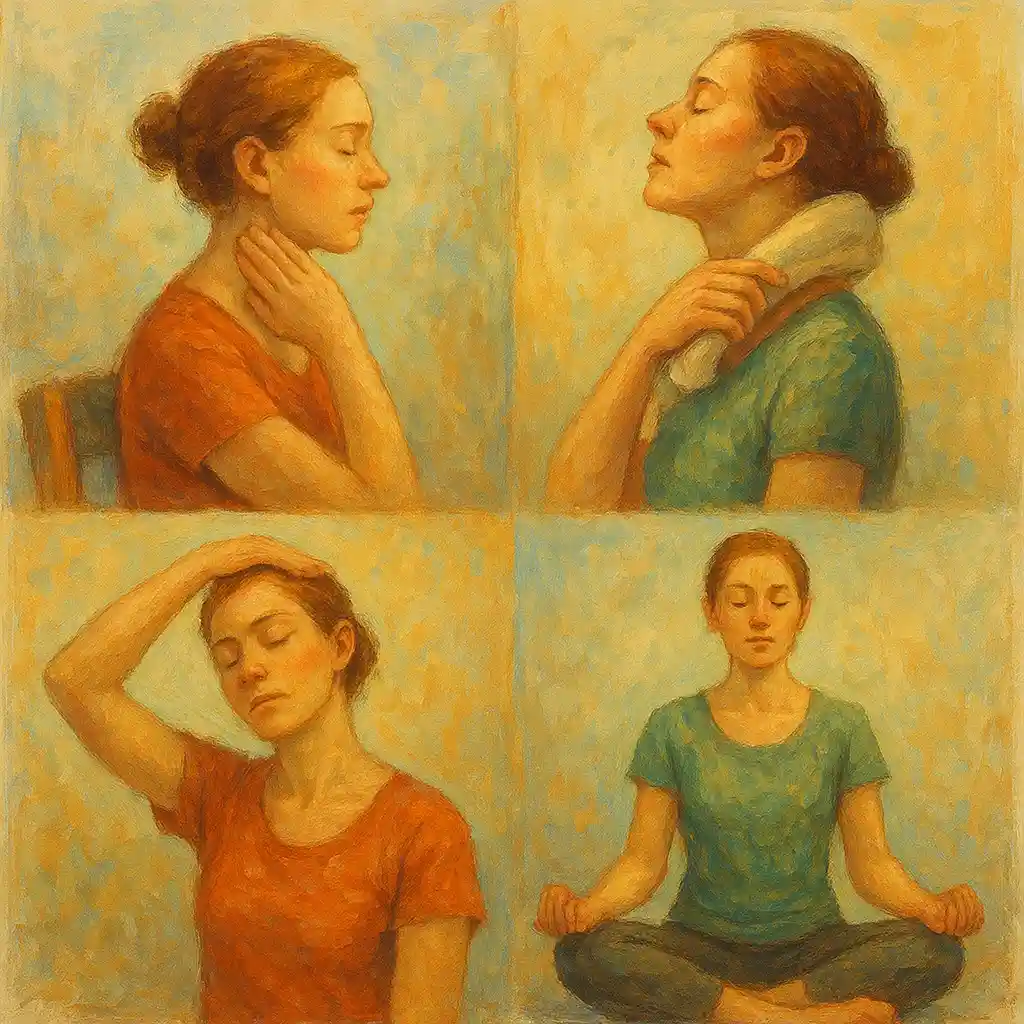
Low-impact activities for neck comfort can help you move more easily, feel less stiff, and enjoy your day with less distraction from neck pain. If you are a senior dealing with a sore or tight neck, you are not alone. Many people notice that simple actions—like turning your head, looking up, or reading—can start to feel uncomfortable over time. The good news is that gentle, steady changes often help. With the right low-impact activities for neck comfort, you can support your neck muscles, improve flexibility, and reduce daily strain.
Small, gentle actions done regularly can support neck comfort more than occasional “big” efforts.
This post brings together practical ideas you can use at home: gentle stretches, posture habits, low-impact movement, relaxation tools, and simple environment changes. The goal is not to “push through” pain. It is to move in a safer way, reduce tension, and protect your neck during everyday life.
Why Low-Impact Activities for Neck Comfort Matter as You Age
As we age, the body changes. Muscles can become tighter, joints may feel stiffer, and recovery can take longer. Neck discomfort is common, and it can affect many parts of life. It may make driving harder, reduce enjoyment of hobbies, or disturb sleep.
Low-impact activities for neck comfort are helpful because they are gentle on joints and tissues. They focus on controlled movement, better alignment, and steady improvement. This approach can be a good fit for seniors who want to stay active without adding more strain.
How neck discomfort can affect daily life
Neck pain is not only a physical issue. It can also affect mood and confidence. When your neck hurts, you may avoid activities you enjoy. You may move less, which can lead to more stiffness. This is why it helps to address neck discomfort early and with a calm plan.
Proactive care helps prevent bigger problems
When neck discomfort is ignored, people often compensate by changing how they sit, walk, or sleep. Over time, that can increase tension in the shoulders and upper back. Using low-impact activities for neck comfort is a proactive way to support mobility and reduce strain before it builds up.
Understanding Neck Pain in Seniors (Common Causes)
Neck pain can come from several sources. Knowing common triggers can help you choose low-impact activities for neck comfort that match your needs.
Common causes of neck pain
- Poor posture, such as slouching or leaning the head forward
- Muscle strain from repetitive movements or holding one position too long
- Arthritis, which can lead to stiffness and reduced range of motion
- Stress, which often increases tension in the neck and shoulders
- Screen habits, like looking down at a phone or tablet for long periods
If you often think, “My neck feels tight for no reason,” it may be linked to daily habits. The goal is not to blame yourself. It is to notice patterns and make small adjustments that support neck comfort.
Why neck pain can feel worse over time
When the neck is sore, it is common to move less. But less movement can increase stiffness. Gentle movement, good posture, and relaxation can help break that cycle. That is why low-impact activities for neck comfort focus on safe, steady motion rather than intense exercise.
Gentle Neck Stretches: Low-Impact Activities for Neck Comfort You Can Do Daily
Gentle stretching can help loosen tight muscles and improve how your neck moves. These low-impact activities for neck comfort are simple, but consistency matters. Move slowly, stay within a comfortable range, and avoid forcing any position.
1) Slow neck tilts (side to side)
Sit or stand tall. Slowly tilt your head toward one shoulder, then return to center. Repeat on the other side. Hold each stretch for a few seconds.
2) Gentle “yes” and “no” movements
- “Yes” motion: Slowly nod forward and back, like a small nod.
- “No” motion: Slowly turn your head left and right, like a small head turn.
These movements can support flexibility without stressing the neck.
3) Chin tucks (neck retraction)
Sit up straight. Gently pull your chin back (as if making a small double chin), then relax. This can support neck posture and reduce strain from a forward head position.
4) Shoulder rolls and shoulder blade squeezes
Neck tension often connects to shoulder tension. Try slow shoulder rolls forward and backward. You can also gently squeeze your shoulder blades together, hold briefly, then release.
Proper form matters
With low-impact activities for neck comfort, technique is important. Move slowly. Keep shoulders relaxed (not raised). Stop any movement that causes sharp pain. If something does not feel right, reduce the range of motion or skip it.
Mindful Posture Practices: Low-Impact Activities for Neck Comfort All Day Long
Posture is not about being “perfect.” It is about reducing unnecessary strain. Many seniors feel neck discomfort because the head drifts forward during sitting, reading, or screen time. Mindful posture is one of the most practical low-impact activities for neck comfort because you can do it anywhere.
Simple posture cues that help
- Keep your ears aligned over your shoulders as much as possible.
- Relax your shoulders down and back (avoid hunching).
- When walking, keep your head aligned with your spine.
- Engage your core gently to support your upper body.
Ergonomic tips for screens and reading
Looking down for long periods can strain the neck. Try these adjustments:
- Place your screen at eye level so you are not bending your neck down.
- Use a stand or prop for a tablet or book.
- When using a phone, bring it up closer to eye level when possible.
Use breaks as a posture reset
If you sit for long periods, set a simple reminder to take a short break. Stand up, relax your shoulders, and do a few gentle neck movements. This is an easy way to build low-impact activities for neck comfort into your normal routine.
Low-Impact Activities for Neck Comfort Through Gentle Movement (Walking, Swimming, Tai Chi, Yoga)
Staying active supports posture, circulation, and muscle strength. The key is choosing movement that feels safe and manageable. These low-impact activities for neck comfort can be especially helpful for seniors.
Walking with neck-friendly posture
Walking is simple and accessible. While walking, focus on keeping your head up and your shoulders relaxed. If you feel tension building, slow down and reset your posture.
- Look forward, not down.
- Keep your shoulders loose.
- Take breaks if your neck starts to feel tired.
Hiking tips to reduce neck strain
If you enjoy hiking, keep the same posture goals. Consider using a hiking stick or walking poles to help distribute effort and support balance. This can reduce overall strain, including in the upper body.
Swimming and water aerobics
Water supports the body and reduces pressure on joints. Swimming and water aerobics can allow gentle movement with less impact. Many seniors find the water helps them relax tight muscles, including those around the neck and shoulders.
Tai Chi for controlled, gentle motion
Tai Chi uses slow, controlled movements and steady breathing. This can support balance, posture, and muscle control. As a low-impact activity for neck comfort, Tai Chi can also encourage a calmer body position with less tension.
Yoga for flexibility and strength (gentle options)
Gentle yoga can improve flexibility and body awareness. If you try yoga, choose a senior-friendly or low-impact class. Move slowly, avoid forcing the neck, and focus on comfortable range of motion.
The best low-impact activities for neck comfort are the ones you can do regularly without increasing pain.
Relaxation Techniques: Low-Impact Activities for Neck Comfort When Stress Builds Up
Stress often shows up in the neck and shoulders. Relaxation is not “extra.” It is part of neck care. These low-impact activities for neck comfort can help release muscle tension and calm the nervous system.
Deep breathing to reduce neck and shoulder tension
Sit comfortably. Breathe in slowly through your nose, then exhale slowly through your mouth. As you exhale, let your shoulders drop. Repeat several times.
Guided meditation for muscle release
Guided meditation can help you notice where you hold tension and relax it. Even a few minutes can be helpful, especially before bed or after screen time.
Heat therapy and gentle neck massage
Heat can relax sore muscles. You can use a heating pad or warm towel on the neck for about 15–20 minutes. Gentle massage (light pressure, slow circles) may also help soothe tight areas.
If you ask someone to help with a neck massage, remind them to keep the pressure gentle. The goal is relaxation, not deep pain.
Creating an Ergonomic Home: Low-Impact Activities for Neck Comfort Without “Exercising”
Your environment can either support your neck or strain it. Setting up a neck-friendly space is a powerful form of low-impact living. It reduces the need for your muscles to “fight” your posture all day.
Choose neck-friendly chairs and seating
- Use a chair that supports your upper back.
- If helpful, add a small cushion for comfort and posture support.
- Avoid sitting in a position that forces your head forward.
Set up a workstation that supports your neck
If you use a computer, try these basics:
- Adjust the monitor so the top of the screen is near eye level.
- Keep your keyboard and mouse within easy reach.
- Sit with feet flat on the floor and shoulders relaxed.
Sleeping positions and bedding for neck support
Sleep has a big impact on how your neck feels the next day. Consider these adjustments:
- Back sleeping: Use a supportive pillow that keeps the neck neutral.
- Side sleeping: Use a pillow thick enough to keep the head aligned with the spine.
- Avoid stomach sleeping if possible, since it can twist the neck.
Many seniors notice that improving pillow support is one of the fastest ways to improve morning neck comfort.
Nutrition and Hydration: Low-Impact Activities for Neck Comfort From the Inside Out
Food and hydration support muscles, joints, and overall comfort. While nutrition is not a quick fix, it is part of a steady plan for low-impact activities for neck comfort.
Why hydration matters for flexibility and disc health
Staying hydrated helps support normal function in muscles and joints. When you are dehydrated, muscles may feel tighter and more prone to stiffness. Keep water nearby and sip throughout the day.
Anti-inflammatory food choices mentioned in the draft
Some foods are commonly included in an anti-inflammatory eating style. The draft highlighted these options:
- Fatty fish such as salmon and mackerel
- Leafy greens such as spinach and kale
- Berries such as blueberries and strawberries
- Nuts such as almonds and walnuts
- Turmeric
Nutrients mentioned for neck muscles and joints
- Omega-3 fatty acids (fish, flaxseeds, walnuts)
- Vitamin D (sunlight, fortified foods, supplements)
- Magnesium (nuts, seeds, leafy greens)
If you have dietary restrictions or take medications, it can be helpful to check with a healthcare professional before making big changes.
Assistive Devices and Tools: Low-Impact Activities for Neck Comfort With Extra Support
Sometimes the best solution is not more effort—it is better support. Assistive tools can reduce strain during rest, travel, and daily tasks. These are practical, low-impact activities for neck comfort because they protect the neck during normal life.
Neck pillows and cushions for rest and travel
A supportive neck pillow can help with alignment while resting, reading, or traveling. Many people find memory foam helpful because it shapes to the neck.
Neck braces and supports (when appropriate)
In some situations, a neck brace or support can provide stability and reduce pain. Because braces limit movement, it is best to consult a healthcare professional to find the right option and use it safely.
Simple tools that reduce neck strain
- Hands-free phone holder or speakerphone to avoid cradling the phone
- Reacher/grabber tool to avoid bending and straining
- Lightweight cookware and ergonomic utensils to reduce shoulder and neck tension
Technology reminders for posture and breaks
Reminders can be a surprisingly effective tool. A phone or smartwatch alert can prompt you to stretch, reset posture, or take a short walk. Some wearable posture tools also provide gentle feedback when you slouch.
Safety Tips for Seniors: How to Do Low-Impact Activities for Neck Comfort Safely
Safety comes first. Low-impact does not mean “no risk,” especially if you are already in pain. These tips can help you protect your neck while staying active.
Avoid sudden movements and high-impact activities
Quick head turns or high-impact workouts can trigger pain for some people. Choose controlled movements and give your body time to adjust.
Progress gradually
Start small. Increase time or range of motion slowly. If you do too much too soon, the neck can become irritated. Gradual progress is one of the most important parts of low-impact activities for neck comfort.
Know when to ask for personalized advice
If your neck pain is persistent, severe, or affects daily function, consult a healthcare professional. They can suggest personalized exercises, posture changes, and ergonomic adjustments that fit your situation.
Real-Life Examples: Seniors Using Low-Impact Activities for Neck Comfort
Many seniors find improvement with simple routines. The draft included several examples that show how small changes can help.
Everyday success stories
- Mary (72) noticed less discomfort during gardening after adding gentle neck stretches.
- John (68) reduced neck tension by adding regular walks and focusing on posture.
- Susan (75) improved flexibility and reduced stiffness by joining a low-impact yoga class designed for seniors.
- Sarah (75) found water aerobics helpful because water reduced pressure while she strengthened muscles.
These stories share one clear message: low-impact activities for neck comfort work best when they become part of normal life, not an occasional “fix.”
Putting It All Together: A Simple Daily Plan for Low-Impact Activities for Neck Comfort
If you want a clear starting point, try a gentle routine you can repeat most days. Keep it easy and adjust based on how you feel.
Morning (3–5 minutes)
- Gentle neck tilts
- Slow “yes” and “no” movements
- Shoulder rolls
During the day (posture + breaks)
- Check screen height and reading position
- Take short breaks from sitting
- Do 1–2 chin tucks as a posture reset
Movement (choose one)
- A comfortable walk with posture focus
- Swimming or water aerobics
- Tai Chi or gentle yoga
Evening (wind down)
- Deep breathing for relaxation
- Heat therapy if your muscles feel tight
- Set up pillows for neutral neck support
This plan is simple on purpose. You can always add more later, but steady habits usually bring the best results.
Conclusion
Low-impact activities for neck comfort can help seniors reduce stiffness, improve mobility, and feel more confident in daily life. Gentle stretches, mindful posture, relaxing breathing, supportive tools, and small home adjustments all work together. Keep it simple, stay consistent, and progress gradually. If you would like more guidance, explore our related articles on senior-friendly stretching and home ergonomics in the blog to build a routine that supports long-term comfort.