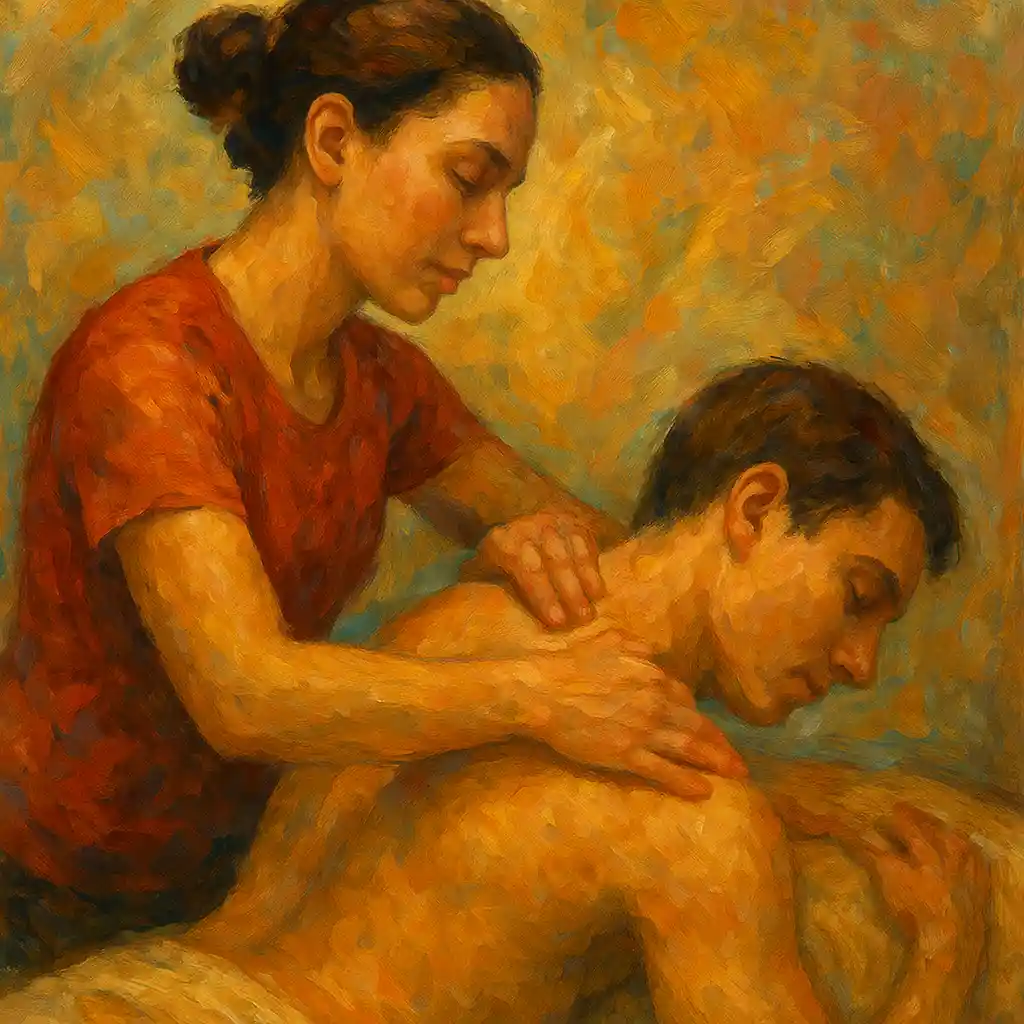
Levator scapulae massage is a simple, targeted way to support quick pain reduction in seniors who live with neck discomfort. You probably know the feeling: you wake up with a stiff neck, and turning your head brings a sharp twinge or a dull ache. Even easy tasks—looking up, reading, checking your blind spot while driving—can feel difficult. The good news is that gentle, focused massage can help ease tension in a common trouble spot: the levator scapulae muscle. In this post, you’ll learn why this muscle matters, how levator scapulae massage works, and how to use safe, senior-friendly techniques at home or with a qualified therapist.
Key idea: When the levator scapulae muscle is tight, it can pull on the neck and shoulder area and make everyday movement painful. Levator scapulae massage helps release that tension and can improve comfort and mobility.
Understanding Neck Pain in Seniors (and Why Levator Scapulae Massage Helps)
Neck pain is common as we age, and it can affect much more than comfort. It can limit movement, reduce confidence, and make daily activities feel harder than they should. Seniors often describe neck pain as stiffness, soreness, or a “knot” near the top of the shoulder and side of the neck. For many people, the levator scapulae muscle is part of the problem.
Common causes of neck pain in seniors
Neck pain usually has more than one cause. Some common contributors include:
- Poor posture (for example, sitting with the head forward or shoulders rounded)
- Stress and muscle tension that builds up in the neck and shoulders
- Overuse or strain from daily activities
- Arthritis and age-related changes that can lead to stiffness and discomfort
- Degeneration in the cervical spine over time, which may affect how the neck moves
Even if the root cause is not only muscular, tight muscles can make symptoms worse. That’s why levator scapulae massage can be a helpful part of a pain-relief routine.
How neck pain impacts daily life and mobility
Neck pain can affect independence. Turning the head while walking, driving, cooking, reading, or watching TV can become uncomfortable. Some seniors avoid activities they enjoy—gardening, playing with grandkids, or going for walks—because movement feels risky or painful. Over time, this can lead to less activity, more stiffness, and more frustration.
Why massage therapy is effective for pain relief
Massage therapy supports pain relief by working with soft tissue (muscles and surrounding areas). In simple terms, levator scapulae massage can help by:
- Reducing muscle tension that contributes to pain and stiffness
- Improving circulation to the area, which supports healing and comfort
- Promoting relaxation, which can lower stress-related tightness
- Supporting better range of motion so the neck moves more freely
The Levator Scapulae Muscle: Why Levator Scapulae Massage Targets a Key Pain Source
The levator scapulae muscle sits at the back and side of the neck. It connects the shoulder blade (scapula) to the vertebrae in the neck. When it tightens, it can feel like a deep knot where the neck meets the shoulder—an area many people rub without even thinking.
Anatomy and function (in plain language)
The levator scapulae helps lift the shoulder blade and supports neck movement. It works during everyday actions like turning the head, lifting the shoulder slightly, or holding posture upright. Because it is active so often, it can become overworked—especially when posture is not ideal or stress is high.
How tension in this muscle contributes to neck pain
When the levator scapulae is tight, it can create:
- Stiffness when you turn your head
- Aching along the side of the neck
- Shoulder tension that feels like the shoulder is “stuck” up
- Limited range of motion, especially looking over one shoulder
This is why levator scapulae massage often brings noticeable relief—sometimes quickly—because it focuses on a muscle that commonly holds tension.
Identifying trigger points in the levator scapulae
Trigger points are tender, tight spots in a muscle. In the levator scapulae, they often feel like small knots near the top inner corner of the shoulder blade or along the side/back of the neck. When pressed, they may feel sore or may “refer” discomfort to nearby areas.
Simple check: If you gently press where your neck meets your shoulder and find a tender knot that feels like a tight rope under the skin, that may be an area where levator scapulae massage can help.
Benefits of Levator Scapulae Massage for Neck Pain Relief
Levator scapulae massage can support quick pain reduction, but it also helps with day-to-day comfort. Seniors often appreciate that the techniques can be gentle and do not require special equipment.
Releasing muscle tension and “knots”
One of the most immediate benefits of levator scapulae massage is a decrease in that tight, pulled feeling in the neck and shoulder. When the muscle relaxes, the neck often feels lighter and easier to move.
Improving circulation and reducing inflammation
Massage can increase blood flow to the area. Better circulation can support healing and may help reduce the “stuck” feeling that comes with tight muscles and irritation.
Promoting relaxation and stress relief
Neck pain and stress often feed each other. Pain increases stress, stress increases muscle tension, and tension increases pain. Levator scapulae massage helps break that cycle by calming the nervous system and encouraging the body to relax.
Helpful reminder: A massage should feel like “good pressure,” not sharp pain. Gentle, steady work is often more effective than forcing the muscle.
Supporting better range of motion
When the levator scapulae loosens, many seniors notice it’s easier to turn the head, look up, or sit with better posture. Even small changes in movement can make daily life feel much easier.
Preparing for a Safe and Effective Levator Scapulae Massage Session
Safety matters, especially for seniors. A good levator scapulae massage plan starts with the right support, the right environment, and the right communication.
Consulting a healthcare provider first
Before starting massage therapy for neck pain—especially if pain is new, severe, or getting worse—it’s wise to consult a healthcare provider. This is also important if you have medical conditions that could affect massage safety.
Choosing a qualified massage therapist experienced with seniors
If you decide to work with a professional, look for a licensed massage therapist who is comfortable treating older adults and understands how to adjust pressure and positioning. Seniors may have more sensitive skin and different comfort needs, so a gentle, tailored approach is important.
Creating a comfortable, relaxing environment
If you’re doing levator scapulae massage at home, set yourself up for success:
- Use soft lighting and a calm, quiet space
- Keep the room warm so muscles can relax
- Support your body with pillows or a supportive chair
- Go slowly and breathe steadily
Levator Scapulae Massage Techniques (“Levator Love”) That Work
These techniques are designed to be gentle and practical. You can use them in a professional session or as part of a self-care routine. The goal is not to “fix everything” in one day. The goal is to reduce tension and support steady improvement.
1) Gentle kneading and circular motions
This is a simple starting point for levator scapulae massage.
- Sit comfortably with your back supported.
- Place your fingertips on the side/back of your neck where you feel tension.
- Use small circular motions with light pressure.
- Move slowly toward the area where the neck meets the shoulder.
- Breathe deeply and keep your shoulders relaxed.
Many seniors find this helps quickly reduce the feeling of tightness, especially after a long day of sitting or stress.
2) Applying steady pressure to trigger points
If you find a tender knot, try gentle, steady pressure rather than rubbing fast.
- Locate the tender spot near the neck-shoulder junction.
- Press gently until you feel “good discomfort,” not sharp pain.
- Hold for a short time while breathing slowly.
- Release, rest, and repeat if it still feels helpful.
This approach can help the muscle “let go” without irritating it.
3) Adding stretching and range-of-motion work during massage
Massage and gentle movement can work well together. During or after levator scapulae massage, try slow, controlled movements:
- Side tilt: gently tilt your ear toward your shoulder, then return to center.
- Slow head turns: turn your head slightly left and right within a comfortable range.
- Chin tuck: gently draw the chin back to lengthen the back of the neck.
Move slowly. The goal is to feel more open and mobile, not stretched hard.
Self-Massage for Seniors: Simple Levator Scapulae Massage Tips at Home
Self-massage can be a helpful daily habit, especially between professional sessions. It gives seniors a sense of control and can reduce flare-ups before they become bigger problems.
Using a tennis ball or foam roller to target the levator scapulae
A tennis ball can help you reach the upper shoulder area without straining your hands.
- Stand with your back to a wall.
- Place a tennis ball between the wall and the area where your neck meets your shoulder.
- Lean gently into the ball and let it apply light pressure.
- Move slowly to explore tight spots. Pause on tender areas.
- Keep breathing and avoid pressing too hard.
For many seniors, this is an easy way to do levator scapulae massage without needing strong grip strength.
Gentle neck stretches paired with self-massage
After self-massage, try a short stretch routine:
- Tilt your head to one side and hold briefly, then switch sides.
- Turn your head slowly left and right.
- Roll the shoulders gently backward and forward.
These movements support flexibility and can help the massage effects last longer.
Relaxation techniques to reduce muscle tension
Muscles often tighten when we’re stressed. Adding relaxation can make levator scapulae massage more effective:
- Deep breathing: slow inhale, slow exhale, relax the shoulders.
- Progressive muscle relaxation: gently tense and release muscle groups.
- Quiet rest after massage: give your body time to settle.
Real-Life Success Stories: Seniors Who Found Relief with Levator Scapulae Massage
Many seniors report meaningful changes when they add massage to their routine—especially when the levator scapulae is a key tension area.
Everyday examples of improvement
- Jane (70): After years of poor posture and chronic neck tension, she added regular neck massage and felt significant relief and better mobility.
- John (65): With targeted massage for stiffness, he felt more comfortable moving his neck and enjoyed playing with his grandchildren with less discomfort.
- Susan (75): Neck pain was limiting her gardening time. Massage therapy helped her return to the garden with less pain and more energy.
Before-and-after scenarios seniors often describe
- Before: waking up stiff, avoiding turning the head, feeling constant tightness.
- After: easier movement, fewer sharp twinges, less daily tension, and a calmer body overall.
These stories highlight a simple point: levator scapulae massage can support comfort, mobility, and confidence in daily life.
Combining Levator Scapulae Massage with Other Therapies for Better Pain Management
Massage is often most helpful when it’s part of a bigger plan. Seniors with chronic neck pain may benefit from combining levator scapulae massage with other supportive approaches, based on their needs and professional guidance.
Massage plus physical therapy exercises
Massage can relax tight muscles, and physical therapy exercises can help strengthen and support the neck. This combination may improve flexibility, reduce stiffness, and increase range of motion. If you’re working with a healthcare provider or physical therapist, ask which exercises match your condition and comfort level.
Exploring acupuncture and chiropractic care
Some seniors also explore acupuncture or chiropractic care for neck pain. Acupuncture focuses on specific points to support relaxation and tension release. Chiropractic care focuses on alignment and reducing strain. If you are interested, start with a consultation and choose qualified professionals.
Creating a holistic approach
A holistic plan may include:
- Regular levator scapulae massage
- Gentle stretching and movement
- Heat or cold therapy when appropriate
- Posture support during daily activities
- Stress management and better sleep habits
Always listen to your body and work with a healthcare provider for a plan that fits your situation.
Lifestyle Changes That Support Long-Term Relief (Alongside Levator Scapulae Massage)
Levator scapulae massage can help quickly, but long-term comfort often comes from small daily habits that reduce strain.
Ergonomic adjustments to prevent neck strain
- Screen at eye level: avoid looking down for long periods.
- Supportive chair: sit with your back supported.
- Regular breaks: stand up, stretch, and reset posture.
- Reduce phone strain: bring the phone up instead of bending the head down.
Regular exercise and stretching for muscle health
Light movement helps keep muscles healthier and less stiff. Many seniors do well with gentle routines like walking or simple daily stretches. Consistency matters more than intensity.
Good posture habits to reduce recurring neck pain
Try to notice when the shoulders creep upward or when the head moves forward. A small posture reset—shoulders relaxed, head balanced, gentle chin tuck—can reduce strain on the levator scapulae over time.
Safety Precautions for Seniors Using Levator Scapulae Massage
Massage is generally gentle and supportive, but seniors should still use caution. Safety is part of what makes massage truly helpful.
Understanding contraindications and when to be careful
Some conditions can make massage risky or require special care. For example, some seniors may have conditions such as osteoporosis or skin infections that need medical guidance before massage. If you are unsure, consult a healthcare provider first.
Communicating comfort levels and pain tolerance
If you work with a massage therapist, speak openly about pressure and comfort. If you do self-massage, use the same rule: gentle and steady is usually better than strong and forceful. Massage should not create sharp pain.
Monitoring reactions after massage
After levator scapulae massage, pay attention to how you feel. Mild soreness can happen, but watch for worsening symptoms or unusual discomfort. If anything feels wrong, contact your healthcare provider or your therapist for guidance. Keeping a simple note of how you feel after each session can help you notice patterns.
The Emotional Impact of Pain Relief: How Levator Scapulae Massage Supports Mental Well-Being
Neck pain is not only physical. When pain is constant, it can affect mood, sleep, and motivation. Seniors often feel frustrated when discomfort limits independence. Pain relief can bring emotional relief too.
The link between physical pain and emotional well-being
When the body hurts, stress often increases. Stress can tighten muscles, and tight muscles can increase pain. Levator scapulae massage can help reduce this cycle by relaxing the body and supporting a calmer state of mind.
How massage can improve mood and quality of life
Massage can promote relaxation and may support the release of endorphins, which are natural “feel-good” chemicals in the body. Many seniors report feeling more relaxed, sleeping better, and feeling more positive after consistent massage care.
Encouraging seniors to prioritize self-care
Self-care is not a luxury. For seniors, it is part of staying active and comfortable. Even a few minutes of gentle levator scapulae massage, paired with slow breathing and light stretching, can be a helpful daily habit.
Conclusion: A Simple Step Toward Quick Relief with Levator Scapulae Massage
Levator scapulae massage is a practical, gentle approach that can support quick pain reduction and better neck mobility for seniors. By focusing on a muscle that often holds tension, you can ease stiffness, improve comfort, and make everyday movement feel easier. If you’re ready to take the next step, consider adding a short self-massage routine to your day or scheduling a session with a qualified massage therapist experienced with seniors. For more helpful guides like this, explore our other posts on senior-friendly pain relief and simple self-care routines.