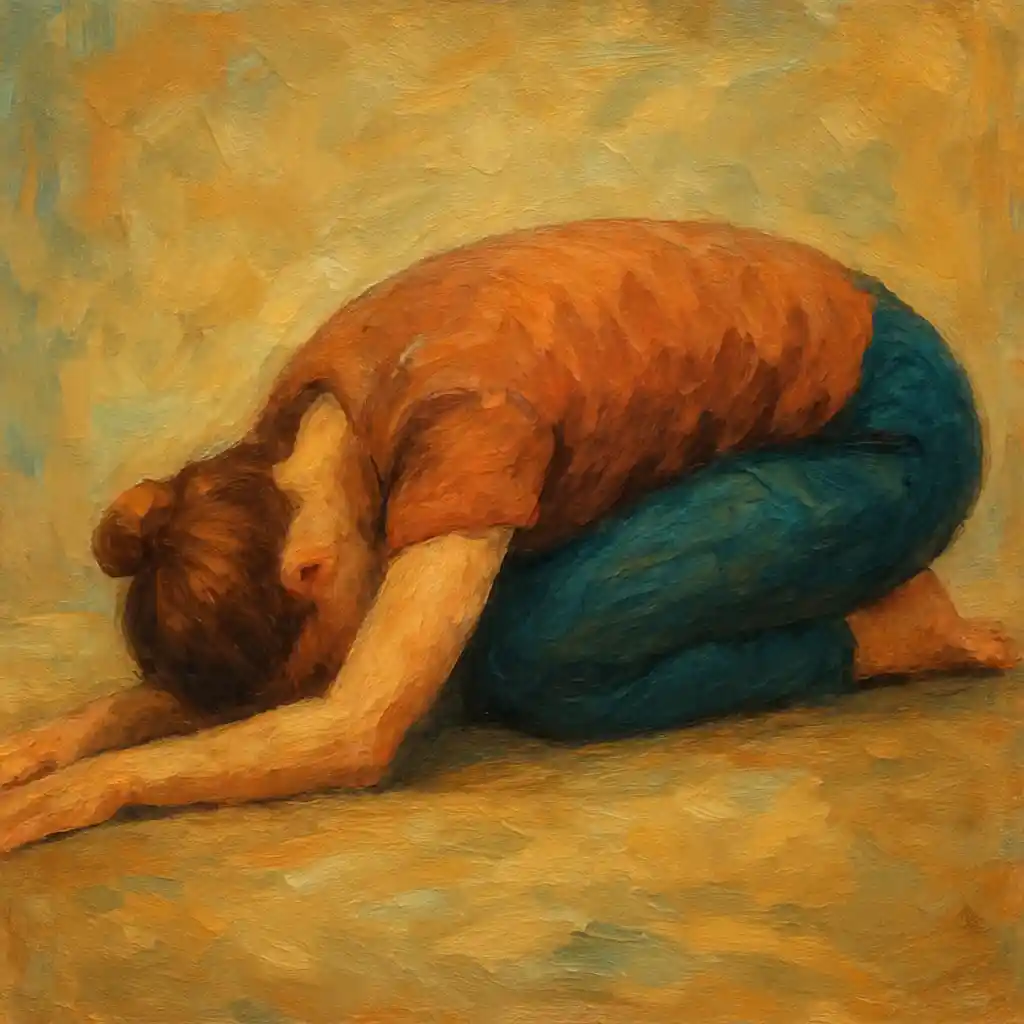
If you wake up with a stiff neck or feel tight shoulders after a long day, you are not alone. Many people, especially seniors, deal with neck pain from poor posture, stress, arthritis, muscle strain, or sleeping in an awkward position. The good news is that natural neck pain relief at home can be simple. One gentle yoga stretch, Child’s Pose, can help you release tension and relax in just a few minutes.
Child’s Pose is a low-impact, beginner-friendly stretch that can help ease neck and shoulder tension and support natural neck pain relief at home.
In this guide, you will learn why neck pain happens, how Child’s Pose helps, how to do it safely (including easy modifications for limited mobility), and how to build healthy habits to prevent neck pain in the long term.
Why neck pain is so common (especially for seniors)
Neck pain can feel small at first, but it can quickly affect your whole day. When your neck hurts, it is harder to drive, work at a desk, read, cook, or even sleep comfortably. For seniors, neck pain can also reduce confidence and independence in daily life.
Common causes of neck pain in seniors
Neck pain often comes from a mix of habits and body changes over time. Common causes include:
- Poor posture (for example, leaning forward when reading or using a phone)
- Muscle strain from lifting, carrying, gardening, or repetitive tasks
- Arthritis and age-related joint changes
- Stress and tension held in the shoulders and upper back
- Sleeping in an awkward position or using the wrong pillow height
- Long periods of sitting with little movement
Why it matters to address neck pain early
When neck pain is ignored, you may start to move less. That can lead to more stiffness, weaker muscles, and even worse posture. Gentle movement and stretching can be a smart step for natural neck pain relief at home, especially when done safely and consistently.
How neck pain can affect daily life
Neck pain can impact more than just your neck. It may cause:
- Difficulty turning your head (for driving, walking, or looking around)
- Trouble concentrating at work or while reading
- Less enjoyment of hobbies like gardening or playing with grandchildren
- Sleep problems, which can lead to fatigue and irritability
- More stress, because pain can make you feel tense and worried
Natural neck pain relief at home: Why Child’s Pose works
Child’s Pose (also called Balasana) is a classic yoga posture that is known for being calming and restorative. It gently stretches the spine, upper back, shoulders, and neck area. For many people, it feels like a safe “resting” position that helps the body settle down.
What Child’s Pose is (and where it comes from)
Child’s Pose is a traditional yoga pose used for centuries as a way to rest, reset, and breathe deeply. It is often practiced at the beginning or end of a yoga session, or anytime you need a break. The posture is simple: you kneel, sit back toward your heels, and lower your torso forward with your arms reaching out or resting by your sides.
Because it is gentle and low-impact, Child’s Pose is often accessible for beginners and can be adjusted for different bodies. That makes it a strong option for natural neck pain relief at home, including for seniors.
How Child’s Pose releases tension in the neck and shoulders
Neck pain is often linked to tight shoulders and upper back muscles. Child’s Pose helps by:
- Stretching the upper back and shoulders, where many people hold stress
- Encouraging relaxation through slow, deep breathing
- Reducing “guarding” (when your body tenses up to protect painful areas)
- Supporting better posture over time by gently opening tight areas
When you settle into the pose, you may notice your shoulders drop away from your ears. That simple change can reduce tension that pulls on the neck.
What we know about effectiveness
The draft content notes that scientific evidence supports the effectiveness of Child’s Pose for neck pain relief because it gently stretches and relaxes muscles in the neck and shoulders and can improve flexibility with regular practice. While this post does not add new studies or numbers, the key idea is clear: gentle stretching plus relaxation can reduce muscle tension, which is a common contributor to neck discomfort.
Natural neck pain relief at home: Get ready for Child’s Pose
A few small steps can make Child’s Pose safer and more comfortable, especially if you have knee, hip, or mobility limitations. Preparing well helps you relax instead of forcing your body into a position that does not feel right.
Create a comfortable, safe space
Choose a quiet spot where you can move without rushing. You can practice on a yoga mat, a carpet, or a folded blanket. If the floor feels too hard, add extra padding under your knees and shins.
- Use a yoga mat or soft blanket for cushioning
- Make sure the area is clear of objects you could bump into
- Wear comfortable clothing that does not restrict your breathing
Helpful props and modifications for limited mobility
If you are a senior or have limited flexibility, props can make Child’s Pose feel supportive instead of stressful. Simple options include:
- Cushion or folded blanket under the hips if sitting back on the heels is difficult
- Cushion, yoga block, or folded towel under the forehead if your head does not comfortably reach the floor
- Support under the torso (like a pillow or bolster) if the forward fold feels too intense
- Wider knees to create more space for your belly and chest
These supports can help you stay relaxed, which is essential for natural neck pain relief at home.
Safety guidelines to keep in mind
Child’s Pose is gentle, but it should never cause sharp pain. Use these safety tips:
- Move slowly into and out of the pose
- Do not force the stretch; stop where you feel comfortable
- Keep breathing; do not hold your breath
- Use props if your knees, hips, or neck feel strained
- Come out of the pose if you feel pain, dizziness, or numbness
Rule of thumb: In Child’s Pose you should feel gentle stretching and calm breathing, not sharp pain or pressure.
Natural neck pain relief at home: Step-by-step Child’s Pose for neck pain
Below is a simple, clear way to practice Child’s Pose. Take your time and focus on comfort, not perfection.
Step 1: Start on hands and knees
Kneel on the floor. Bring your big toes together and let your knees be hip-width apart (or wider if that feels better). Place your hands on the floor under your shoulders.
Step 2: Sit back toward your heels
Slowly shift your hips back toward your heels. If your hips do not reach your heels comfortably, place a folded blanket or cushion between your hips and heels.
Step 3: Fold forward with control
As you exhale, lower your torso forward between your thighs. Extend your arms forward with your palms down, or rest your arms by your sides if your shoulders feel tight.
Step 4: Support your head and neck
Rest your forehead on the mat. If your forehead does not reach comfortably, use a pillow, yoga block, or folded towel. The goal is to let your neck relax, not strain.
Step 5: Breathe and release tension
Take slow, deep breaths. With each exhale, imagine your shoulders softening and your neck becoming lighter. Stay for 1–3 minutes, or longer if it feels good.
Step 6: Come out of the pose gently
To exit, walk your hands back toward your knees and slowly lift your torso up. Move slowly to avoid dizziness.
Breathing techniques to increase the benefits
Breathing is a big part of why Child’s Pose supports natural neck pain relief at home. Try this simple approach:
- Inhale slowly through your nose, feeling your ribs expand
- Exhale longer than you inhale, letting your shoulders drop
- On each exhale, release jaw tension (jaw tension often links to neck tension)
This kind of calm breathing can reduce stress and help your muscles relax more deeply.
How often to practice for best results
Consistency matters. The draft recommends holding Child’s Pose for at least 1–2 minutes and practicing regularly. A helpful routine is:
- Daily practice, even if it is only a few minutes
- Use it in the morning to loosen stiffness
- Use it in the evening to unwind before bed
If you are having a painful day, keep it gentle and shorter. The goal is steady progress, not pushing hard.
Natural neck pain relief at home: Extra tips to feel better faster
Child’s Pose can be even more effective when you combine it with other simple habits that reduce tension and support recovery.
Add gentle neck stretches to your day
Short, gentle stretching breaks can help prevent your neck from tightening up again. If you sit for long periods, try to move a little throughout the day. You can also return to Child’s Pose for 30–60 seconds as a quick reset.
Remember: gentle is better. Avoid fast circles or forced stretches that increase pain.
Use heat or cold therapy for stiffness
Heat and cold can be helpful tools for natural neck pain relief at home:
- Heat therapy (warm towel or heating pad) can relax tight muscles and improve circulation.
- Cold therapy (ice pack wrapped in cloth) can reduce inflammation and numb pain.
The draft suggests practical timing:
- Apply warm compress for about 15–20 minutes
- Apply cold pack for about 10–15 minutes
Always wrap heat or cold in a cloth to protect your skin, and avoid using them for too long.
Posture and ergonomics to prevent future neck pain
Child’s Pose helps you recover, but posture helps you prevent. Small changes can make a big difference:
- Keep screens closer to eye level instead of looking down for long periods
- Relax shoulders and avoid “shrugging” while working
- Take short movement breaks if you sit for a long time
- Use a supportive chair and sit with your back tall and steady
Improving posture supports long-term natural neck pain relief at home because it reduces daily strain.
Real-life success stories: What regular Child’s Pose practice can feel like
The draft includes examples of seniors who felt better after adding Child’s Pose to their routine. While everyone’s body is different, the common theme is simple: gentle daily practice can lead to less stiffness and easier movement.
What seniors often report after practicing Child’s Pose
- Less tightness in the neck and shoulders after sitting or working
- Better ability to turn the head without discomfort
- A calmer feeling at the end of the day
- Improved comfort when combined with better posture habits
Some people find that Child’s Pose feels like a “mini massage” for the upper back and neck area because it encourages muscles to soften instead of staying tense.
Natural neck pain relief at home: Common Child’s Pose mistakes to avoid
Child’s Pose is simple, but small mistakes can reduce the benefits or make you feel worse. Avoid these common issues.
Overexertion or pushing beyond your limits
If you push too hard, your body may tense up. That is the opposite of what you want for neck pain. Move slowly and stop before strain. Comfort is the goal.
Incorrect alignment that can increase neck discomfort
Pay attention to your setup:
- Let your shoulders soften away from your ears
- Support your forehead so your neck can relax
- Adjust knee width so your torso can rest comfortably
If your forehead is not supported, you may tighten your neck without noticing. A pillow or block can make a big difference.
Ignoring signs of pain or discomfort
Discomfort is information. If you feel sharp pain, numbness, or a “pinching” feeling, come out of the pose and try a modification. Yoga should support healing, not create new problems.
Listen to your body: Child’s Pose should feel like a gentle release, not a test of how far you can stretch.
Natural neck pain relief at home: Combine Child’s Pose with other gentle remedies
Child’s Pose can be your main tool, but it can also work well with other natural approaches mentioned in the draft. A combined plan often feels more complete and supportive.
Herbal remedies and essential oils (for relaxation and comfort)
The draft suggests herbal options like turmeric, ginger, and boswellia for reducing inflammation, and essential oils like lavender, peppermint, and eucalyptus for relaxation and soothing comfort.
If you use essential oils on your skin, mix them with a carrier oil and do a gentle massage. Keep it light and relaxing, especially around sensitive areas.
Mind-body support: mindfulness and meditation
Stress often shows up in the neck and shoulders. Mindfulness can help you notice tension sooner, before it becomes pain. While holding Child’s Pose, try focusing on your breath and scanning your body for tight areas. This simple habit can deepen relaxation and support natural neck pain relief at home.
When to consult a healthcare professional
Child’s Pose can be helpful, but it is not a replacement for medical care. The draft recommends consulting healthcare professionals as part of a holistic plan. Consider support from:
- Chiropractors
- Physical therapists
- Massage therapists
They can help you understand the cause of your neck pain, improve posture, and build a safe plan for long-term neck health.
Natural neck pain relief at home: Long-term strategies to prevent neck pain
Relief is important, but prevention is the real win. The best approach is often a mix of gentle stretching, stronger support muscles, better sleep habits, and professional care when needed.
Strengthening the neck and upper back
The draft highlights strengthening exercises for the neck and upper back, and it also notes that Child’s Pose can support posture and flexibility. A stronger upper back can help your neck do less work during daily tasks.
Even if you only start with Child’s Pose, you are building a healthier routine. Over time, you can add gentle strengthening with guidance from a professional if needed.
Sleep tips to reduce neck strain
Sleep is when your body recovers. If your neck is strained at night, you may wake up stiff. The draft suggests using Child’s Pose as part of a bedtime routine to relax neck and shoulder muscles.
Try a short Child’s Pose hold before bed, then pay attention to what helps you feel supported during sleep. Small adjustments can improve comfort and support natural neck pain relief at home over time.
Ongoing care: chiropractic or physical therapy
For ongoing neck problems, regular chiropractic care or physical therapy may help. These professionals can offer personalized exercises, posture tips, and treatment plans. They can also help you avoid movements that make your pain worse.
FAQs about Child’s Pose and neck pain relief
Is Child’s Pose only for flexible people?
No. Child’s Pose is for all levels, including beginners and seniors. It can be modified with props to fit your body and comfort level, which makes it a practical tool for natural neck pain relief at home.
What if I have knee or hip pain?
Use a cushion or folded blanket under your hips or knees. You can also widen your knees or support your torso with a pillow. The goal is to feel supported, not strained.
How long should I hold Child’s Pose?
Aim for 1–3 minutes. Even 30–60 seconds can help on a busy day. Regular practice matters more than long sessions.
What if Child’s Pose makes my neck feel worse?
Stop and adjust. Many times, discomfort comes from lack of support under the forehead or from forcing the position. Use a pillow or block, and keep your breathing slow. If pain continues, consult a healthcare professional.
Conclusion: Make Child’s Pose part of your natural neck pain relief at home plan
Child’s Pose is a simple, gentle way to relax tight muscles and support better posture. With the right setup, mindful breathing, and consistent practice, it can become a reliable tool for natural neck pain relief at home. End your day with a few calm breaths in the pose, or use it anytime you feel tension building in your neck and shoulders.
Next step: If you found this helpful, explore more of our easy at-home stretches and posture tips in our wellness section and build a daily routine that keeps your neck feeling calm and supported.