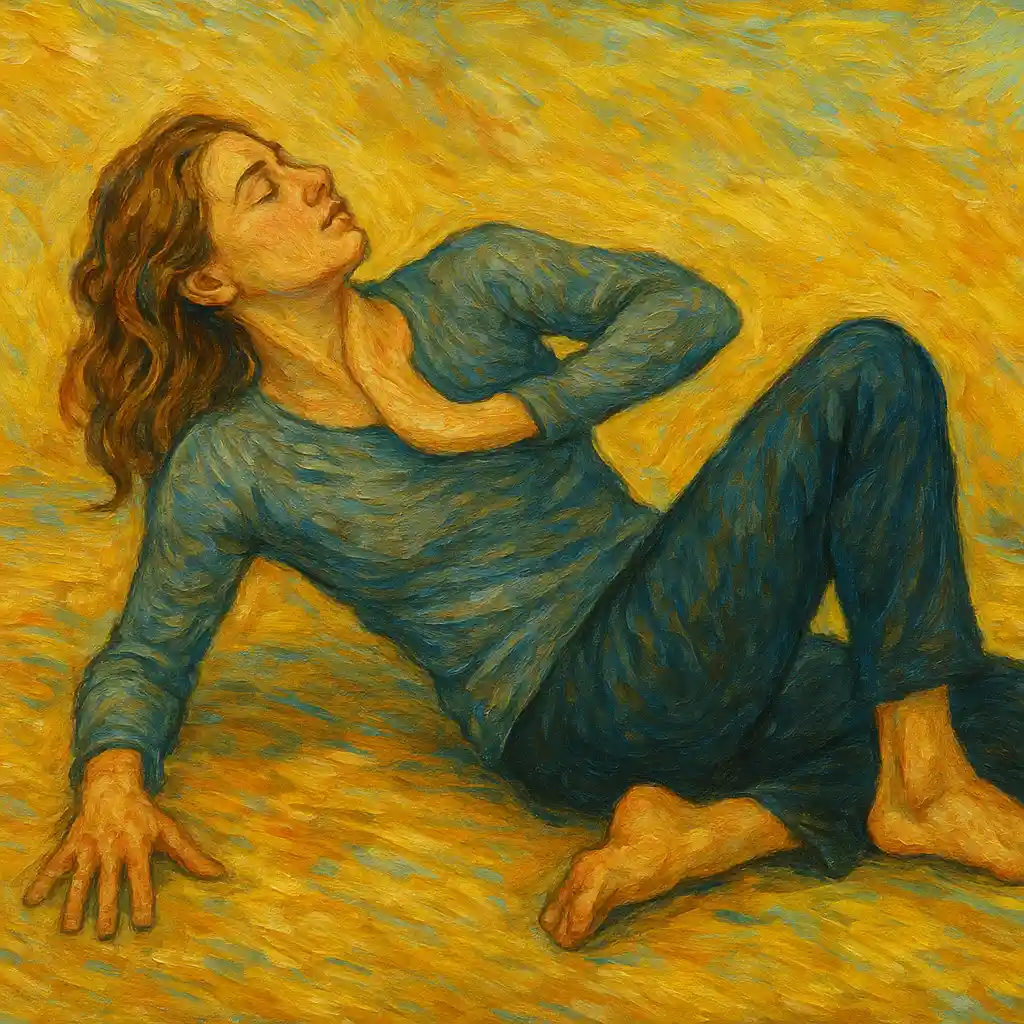
Pinched nerve neck pain can make a normal day feel much harder. You might wake up with a sharp, shooting pain, and then notice that turning your head, looking up, or even sitting still feels uncomfortable. If you are looking for a gentle approach, Pose Twist Reclined is a simple yoga-based method many people use to relieve pinched nerve neck pain naturally by easing tension in the neck, shoulders, and upper back.
Key idea: To relieve pinched nerve neck pain naturally, focus on gentle movement, better posture, and relaxation—rather than forcing the neck or “pushing through” pain.
This post explains what pinched nerve neck pain is, why it happens, and how Pose Twist Reclined can support comfort, mobility, and calm. It also covers safe setup, precautions, and extra natural habits that can complement your routine—especially if you are older or more sensitive to strain.
Understanding Pinched Nerve Neck Pain (and Why It Feels So Intense)
A “pinched nerve” in the neck happens when a nerve is under pressure from nearby tissues. These tissues can include bones, cartilage, muscles, or tendons. When that pressure builds, the nerve can become irritated, and pain can spread beyond the neck.
Common causes of a pinched nerve in the neck
Pinched nerve neck pain does not always come from one single event. Often, it builds over time. Common causes mentioned by many people include:
- Poor posture (for example, leaning forward or looking down for long periods)
- Repetitive movements that strain the neck and shoulders
- Aging and general wear and tear
You might notice it most when doing everyday actions, like checking your blind spot while driving or looking down at a phone. These small movements can suddenly feel sharp and limiting.
Common symptoms of pinched nerve neck pain
Symptoms can vary from person to person, but many people report:
- Sharp or shooting pain in the neck or shoulder
- Numbness or tingling in the arms or hands
- Muscle weakness in the affected area
- Difficulty moving the neck or head
If these symptoms sound familiar, you are not alone. The good news is that gentle, consistent care can often help you relieve pinched nerve neck pain naturally—especially when you focus on reducing tension and improving alignment.
Why addressing the root cause matters
When neck pain keeps returning, it is often a sign that the underlying tension, posture habits, or stress patterns are still there. That is why many people look for approaches that do more than “cover up” the pain. Pose Twist Reclined is used as a supportive practice because it encourages gentle spinal movement, relaxation, and a release of tightness around the neck and shoulders.
How Pose Twist Reclined Can Relieve Pinched Nerve Neck Pain Naturally
Pose Twist Reclined is a gentle twist done while lying on your back. Because you are supported by the floor (or a mat), it can feel safer and more relaxing than standing twists. Many people use it to relieve pinched nerve neck pain naturally because it helps calm the upper body and reduce built-up tension.
What this pose may help with
Based on the core purpose of the pose and how people commonly describe its effects, Pose Twist Reclined is often used to support:
- Gentle stretching of tight areas around the neck, shoulders, and upper back
- Relaxation (stress can make neck pain feel worse)
- Better circulation to tense areas, which may support the body’s natural healing process
- Spinal realignment and posture awareness through slow, controlled movement
Many seniors who add this pose to a daily routine report feeling more comfortable, more mobile, and less “stuck” in their neck and shoulders. The goal is not to force a big twist. The goal is to feel safe, supported, and gently opened.
Improving flexibility and range of motion
When the neck is painful, people often move less. Over time, less movement can lead to more stiffness. A slow, supported twist can help you reconnect with gentle movement. With consistent practice, many people notice they can turn their head more easily and feel less guarded in the neck and shoulders.
Supporting strength to prevent future flare-ups
While Pose Twist Reclined is mainly known as a gentle stretch and relaxation pose, it can still support your long-term habits. When you practice regularly, you become more aware of posture and tension patterns. That awareness can help you avoid positions that trigger pain and encourage healthier alignment during the day.
Pose Twist Reclined: Step-by-Step Instructions (Safe and Simple)
If your goal is to relieve pinched nerve neck pain naturally, the most important rule is to move slowly and stay within a comfortable range. You should never force your body into a deeper twist.
How to get into Pose Twist Reclined
- Lie on your back on a yoga mat or soft carpet.
- Bend your knees and place your feet flat on the floor, about hip-width apart.
- Gently shift your hips slightly to the right.
- Lower both knees to the left side, keeping them stacked.
- Open your arms out to the sides, with palms facing up if that feels comfortable.
- Relax your shoulders and keep them grounded as best you can.
- Breathe slowly and hold the position for about 30 seconds to 1 minute.
- Return to center slowly, then repeat on the other side.
As you hold the pose, pay attention to your neck. Your neck should feel calm, not strained. If turning your head to the opposite side feels good, you can try it gently. If it increases discomfort, keep your head centered.
Tips for proper alignment (especially if your neck is sensitive)
- Keep the twist gentle. A small twist can still be effective.
- Keep shoulders relaxed. If a shoulder lifts a lot, reduce the twist.
- Use slow breathing. Inhale to create space, exhale to soften tension.
- Support your knees if needed (for example, with a pillow) so you do not feel pulled.
How long and how often to practice
Many people start with a short hold and build slowly:
- Start: 30 seconds per side
- Build: up to 1–2 minutes per side if it feels comfortable
- Frequency: a few minutes daily can be more helpful than a long session once a week
Consistency matters because the body often responds best to gentle, repeated signals of safety and relaxation.
Safety Precautions for Pose Twist Reclined (To Relieve Pinched Nerve Neck Pain Naturally Without Overdoing It)
Even gentle poses need care, especially if you already have neck injuries or other conditions. If you want to relieve pinched nerve neck pain naturally, safety should always come first.
Consult a healthcare provider before starting
Before starting any new exercise routine—especially if your symptoms include numbness, tingling, or weakness—consider speaking with a healthcare provider. A professional can help you understand what movements are appropriate for your specific situation.
Signs you should stop immediately
Listen closely to your body. Stop the pose and rest if you notice:
- Sharp pain in the neck, shoulder, or arm
- Dizziness or feeling unsteady
- Numbness or tingling that increases during the pose
- A sudden increase in pain intensity
It is always okay to come out of the pose early. Gentle progress is still progress.
Avoid overexertion and “pushing through”
When people are frustrated with pain, they sometimes try to stretch harder. With neck pain, that can backfire. If your goal is to relieve pinched nerve neck pain naturally, the better approach is to stay calm, move slowly, and do less—more often.
Posture and Daily Habits That Support Pinched Nerve Neck Pain Relief
Neck pain is not only about one stretch. Your daily posture and routine can either reduce pressure or add more strain. Small changes can make a big difference over time.
Tips for maintaining better alignment
- Adjust your workspace so your screen is closer to eye level.
- Use a chair that supports your lower back to help your spine stay more upright.
- Take regular breaks to stand, stretch, and move your shoulders.
- Avoid long periods looking down (for example, at a phone).
When you combine these habits with Pose Twist Reclined, you create more support for long-term comfort, not just short-term relief.
Other Natural Remedies to Complement Pose Twist Reclined
Pose Twist Reclined can be a strong foundation, but many people also use other simple methods to relieve pinched nerve neck pain naturally. The best approach is often a calm, steady mix of gentle movement and relaxation.
Gentle neck stretches and exercises
Gentle stretches can help reduce stiffness and support better movement. Keep everything slow and controlled. If a stretch causes sharp pain, stop and choose a softer option. Many seniors find that a small amount of daily movement is easier to maintain than intense sessions.
Heat and cold therapy
Heat and cold can be useful tools for comfort:
- Heat therapy (like a warm towel or heating pad) may help relax tight muscles and improve circulation.
- Cold therapy (like an ice pack wrapped in a towel) may help numb pain and reduce swelling.
A practical routine many people try is:
- Use heat for 15–20 minutes a few times a day to loosen tightness.
- Use cold for 10–15 minutes when inflammation or sharp pain feels more noticeable.
You can also pair these comfort methods with Pose Twist Reclined later, when the body feels more relaxed.
Mind-body practices for stress reduction
Stress and tension often show up in the neck and shoulders. Yoga, mindfulness, and meditation can help reduce that “tight and braced” feeling. Even a few minutes of quiet breathing while holding Pose Twist Reclined can help you feel more settled.
Stress, the Mind-Body Connection, and Why Neck Pain Can Feel Worse
Neck pain is not only physical. Stress can increase muscle tension, and tense muscles can make pain feel stronger. This does not mean the pain is “in your head.” It means your nervous system and your muscles are connected.
The role of stress and tension
You may notice that pinched nerve neck pain feels worse during stressful days or after poor sleep. Tight shoulders, shallow breathing, and constant worry can all increase tension around the neck.
Relaxation techniques during Pose Twist Reclined
To make Pose Twist Reclined more effective and comfortable, try these simple techniques:
- Slow breathing: inhale gently, exhale longer to encourage relaxation.
- Soften the jaw and face: many people hold tension there without noticing.
- Scan the shoulders: if they creep toward the ears, relax them down.
- Stay present: focus on the feeling of support from the floor.
How a positive mindset can support healing
A positive mindset can help you stay consistent and patient. When you believe improvement is possible, you are more likely to keep practicing gentle habits that support recovery. A calmer mindset can also reduce stress, which may reduce tension and help your body feel safer while it heals.
Real-Life Success Stories: What People Notice With Pose Twist Reclined
Many people who use Pose Twist Reclined describe the same type of change: less stiffness, fewer pain spikes, and better daily comfort. Seniors, in particular, often say they feel more mobile and more confident moving their neck after making the pose a regular habit.
Testimonials from people who found relief
Here are a few experiences shared by people who practiced Pose Twist Reclined for pinched nerve neck pain:
- Sarah, 63: “I used to struggle with constant neck pain, but ever since I started doing Pose Twist Reclined regularly, I feel like a new person. The pain has significantly decreased, and I can finally enjoy my daily activities without any limitations.”
- John, 70: “I was skeptical at first, but after just a few weeks of practicing Pose Twist Reclined, I noticed a remarkable improvement in my neck mobility. It’s truly a game-changer for anyone dealing with pinched nerve neck pain.”
- Emily, 55: “I’ve tried various treatments for my neck pain, but nothing has worked as effectively as Pose Twist Reclined. It’s easy to do, doesn’t require any special equipment, and the results speak for themselves. I highly recommend giving it a try!”
Before-and-after changes people often describe
Before practicing, many people describe feeling restricted, stiff, and worried about triggering pain with simple movements. After building a consistent routine, they often report improved range of motion, less tension, and more comfort during sleep and daily tasks.
How to Build a Daily Routine With Pose Twist Reclined (Without Making It Hard)
The best routine is the one you can keep doing. If you want to relieve pinched nerve neck pain naturally, small daily practice is often more helpful than occasional intense sessions.
Set aside a dedicated time
Choose a time that feels realistic. Many people like:
- Morning to reduce stiffness after sleep
- Evening to release tension built up during the day
Even 3–5 minutes can be enough to support comfort and consistency.
Create a calming environment
You do not need a perfect yoga space. Just aim for a quiet corner where you can relax. A calm environment helps your nervous system settle, which can reduce muscle tension around the neck.
Adjust based on comfort and progress
Some days you may feel more open. Other days you may feel tight. That is normal. Keep the twist smaller on difficult days. Over time, you can gradually increase the hold time or the depth of the twist—only if it still feels gentle and safe.
Why Consistency Is So Important for Natural Pain Relief
Natural methods usually work best when practiced regularly. If you are trying to relieve pinched nerve neck pain naturally, think of it as building a supportive habit for your body.
Establish a regular practice
Try to practice Pose Twist Reclined at the same time each day. A consistent routine helps you remember, and it also helps your body learn to relax more quickly.
Track your progress in a simple way
You can track progress without making it complicated:
- Write a short note about pain level and neck movement before and after.
- Notice daily tasks (turning your head, sleeping, driving) and whether they feel easier.
- Pay attention to posture and shoulder tension during the day.
Patience and persistence
Neck pain can take time to improve. The goal is steady progress, not instant perfection. With gentle practice, many people find that discomfort reduces and confidence returns.
Additional Resources and Support for Managing Neck Pain
If pinched nerve neck pain is affecting your life, you do not have to manage it alone. Extra support can help you stay safe and consistent.
Learning more about natural pain relief techniques
Some people explore books, websites, and videos focused on relaxation, posture, and gentle movement. If you use videos, choose ones that emphasize slow pacing and safe alignment, especially for neck sensitivity.
Support groups and communities
Support groups and communities can be helpful because you can share experiences with people who understand daily discomfort. Many people find motivation and comfort in knowing they are not alone.
Professional guidance from physical therapists or yoga instructors
If you are unsure about your form, consider working with a physical therapist or a qualified yoga instructor. They can suggest adjustments and help you avoid movements that increase pain. Professional guidance can be especially helpful if your symptoms include tingling, numbness, or weakness.
Final Thoughts: A Holistic Way to Relieve Pinched Nerve Neck Pain Naturally
Pinched nerve neck pain can be frustrating, but gentle, consistent care can support real change. Pose Twist Reclined is a simple practice that helps many people relieve pinched nerve neck pain naturally by easing tension, encouraging relaxation, and supporting better movement over time.
If you want to take the next step, build a short daily routine with Pose Twist Reclined, track how your neck feels for a week, and keep it gentle. For more helpful stretches and posture tips, explore our other neck pain relief posts in this blog and create a routine that truly supports your daily life.